How to Choose an AI Coding Agent: 25 Tools, 4 Jobs
Coding agents is our biggest category at 25 tools, and they split into four genuinely different jobs, so “which is best” is the wrong question.
On this page
Scope · 10 topics
- Coding agents
- Decision guide
- Cursor
- Claude Code
- Devin
- OpenCode
- CodeRabbit
- Zed
- Goose
- Kilo Code
"Best AI coding agent" rankings that put Cursor, Claude Code and Devin on the same numbered list are comparing three different products as if they were rivals, plus a fourth job, code review, as if it belonged on the same list at all. Read all 25 coding-agent listings in our index side by side and a real, structural split falls out: some agents live inside your editor and you keep coding, just faster; some live in your terminal or CI pipeline and you script them (or, for one entrant, host several of them at once); some run on their own cloud machine (or, for two entrants, an entire coordinated pipeline) and you delegate a whole ticket, app or SDLC stage, then review what comes back; and one doesn't write code at all, since it only reviews the pull requests the other 24 produce. Which of those jobs you actually want done settles most of the shortlist before a single feature comparison matters, and mixing them up is why generic rankings feel unhelpful.
The real split: four different jobs, not one ranked list
- In-editor assistants (you keep the wheel): Cursor, GitHub Copilot, Windsurf (Devin Desktop), Cline, Zed, Junie, Gemini Code Assist, Kilo Code. An agent proposes edits inside an editor you're actively using; you review and accept as you go.
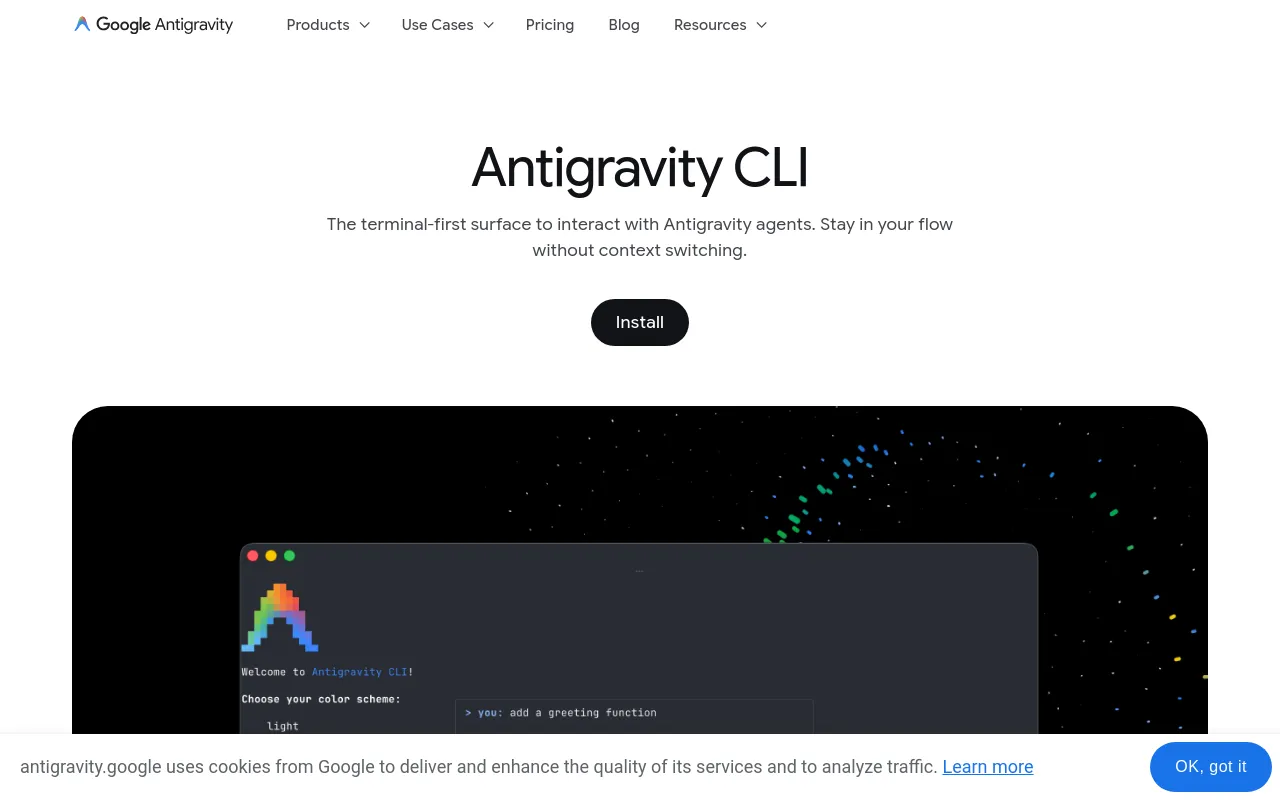
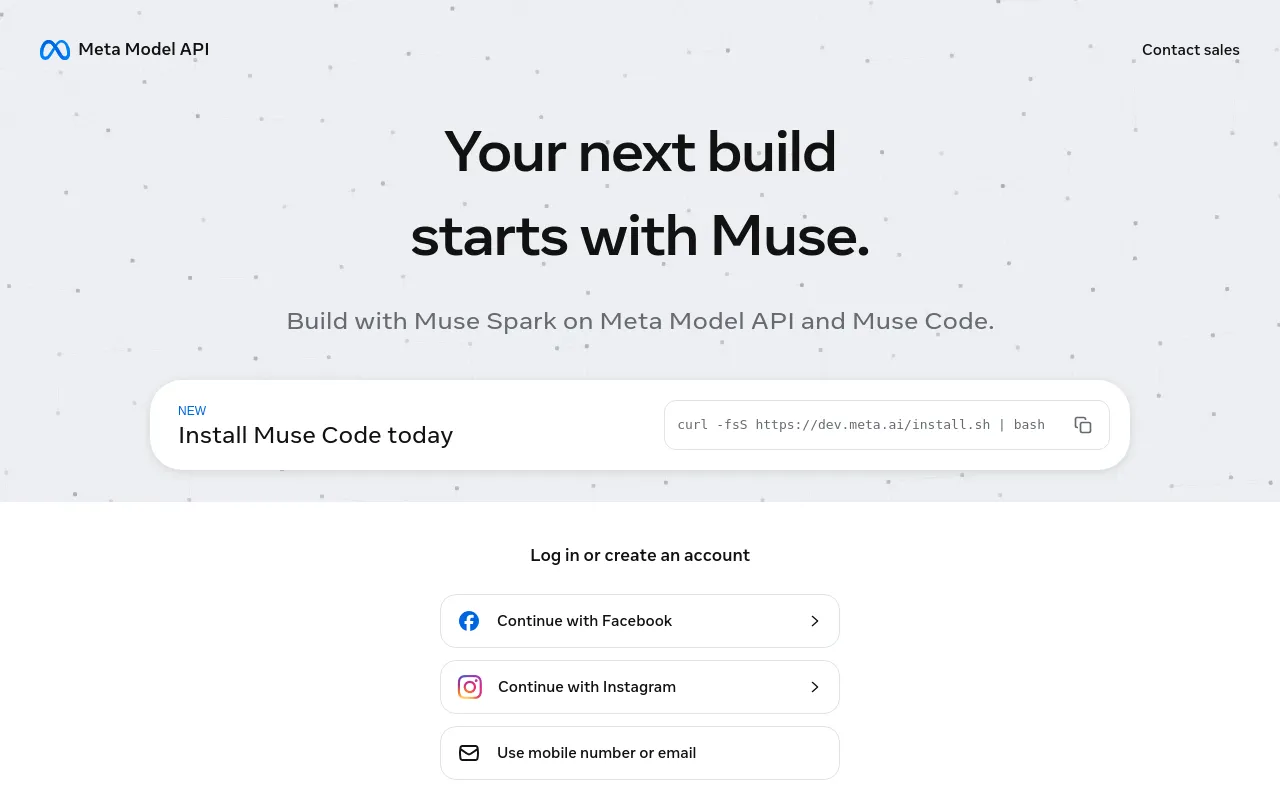
- Terminal & power-user harnesses (you script it, or host several at once): Claude Code, OpenAI Codex CLI, Antigravity CLI, Muse Code, Aider, OpenCode, Zot, Juggler, Goose, Warp. Command-line-first, composable with CI, and split further into agents with their own model (Claude Code, Codex CLI, Antigravity CLI, Muse Code) versus bring-your-own-model harnesses (Aider, OpenCode, Zot, Juggler, Goose) versus Warp, which isn't a single agent at all but a terminal application that orchestrates other vendors' agents (including Claude Code and Codex) side by side.
- Autonomous delegate-and-deploy agents (you hand off the whole task): Devin, OpenHands, Replit Agent, Bolt.new, Factory, Augment Code. These run largely unattended on their own machine and hand back finished work for review rather than a diff you watch happen: a pull request, a deployed app, or (for Factory and Augment Code) a whole coordinated set of stages.
- Code review agents (a different job entirely): CodeRabbit. Instead of writing code, it automatically reviews the pull requests every other agent above produces, making it a reviewer that pairs with a coding agent rather than competing with one.
Every fact below is pulled from each tool's own full researched listing (pricing, licensing and cons re-verified 13 July–16 August 2026, per each listing's own lastVerifiedAt date), and nothing here is estimated.
Segment 1: In-editor assistants
You stay inside a familiar editor; the agent proposes multi-file edits you review as you work.
| Agent | What it is | Entry price | Model choice | Open source? |
|---|---|---|---|---|
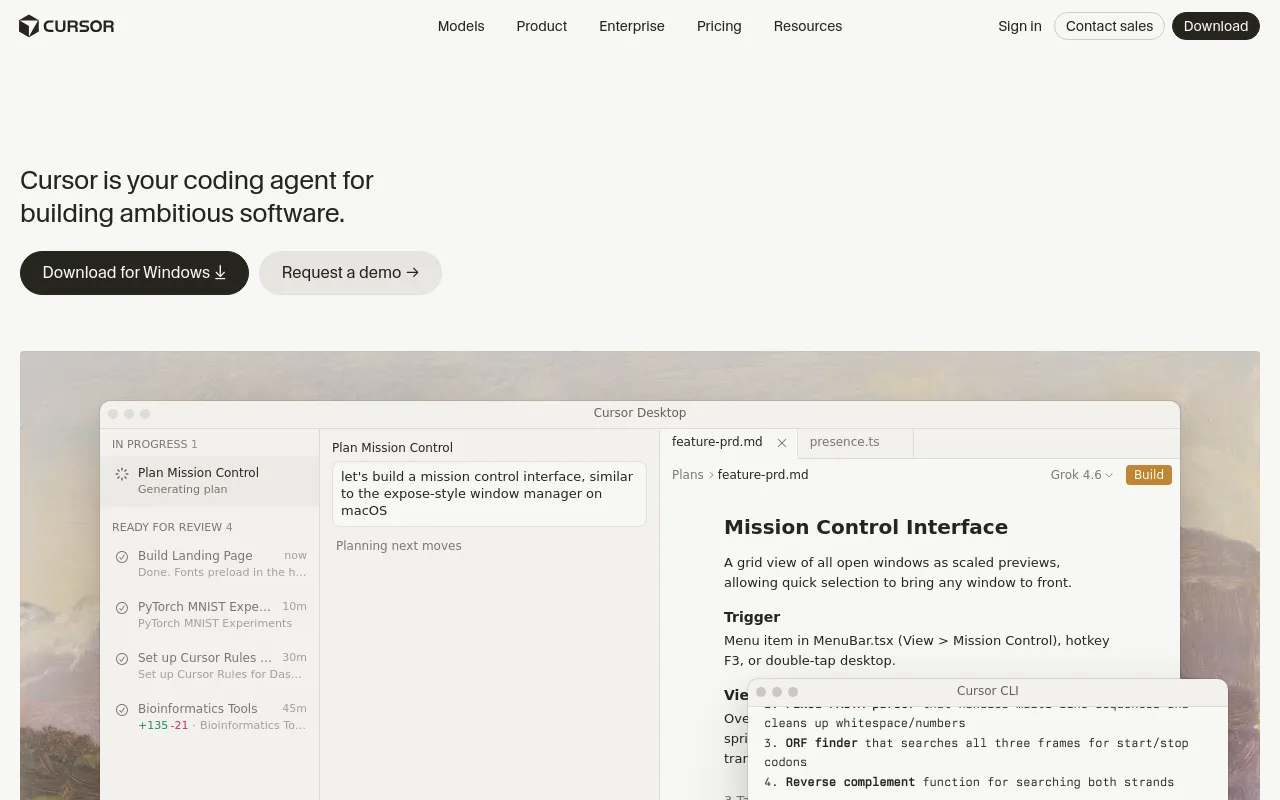
| Cursor | VS Code fork with a built-in multi-file coding agent | Free Hobby → $20/mo Pro → $60 Pro+ → $200 Ultra | Claude, GPT & Gemini, per request | No (closed) |
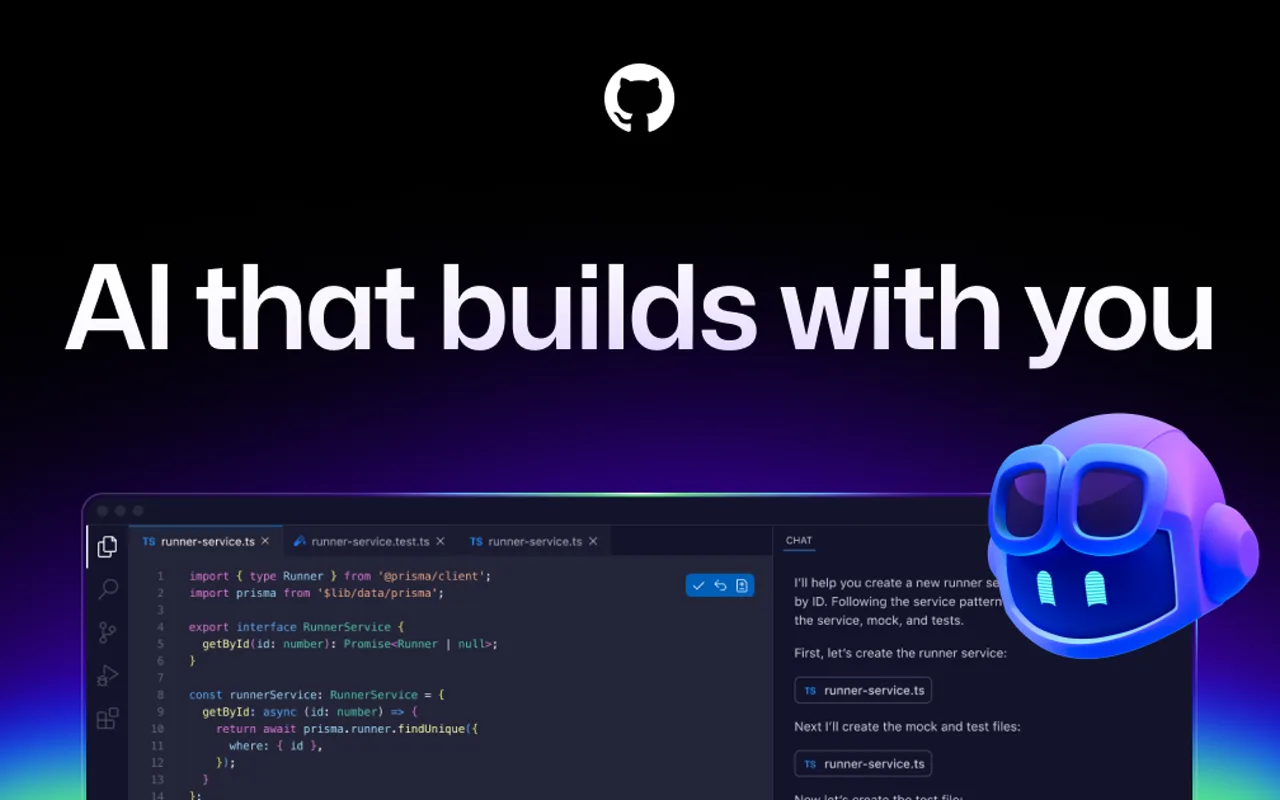
| GitHub Copilot | GitHub's assistant, with an agent mode that turns issues into PRs | Free (2,000 completions/mo) → $10/mo Pro → $39 Pro+ → $100 Max | GPT, Claude & Gemini, selectable | No (closed) |
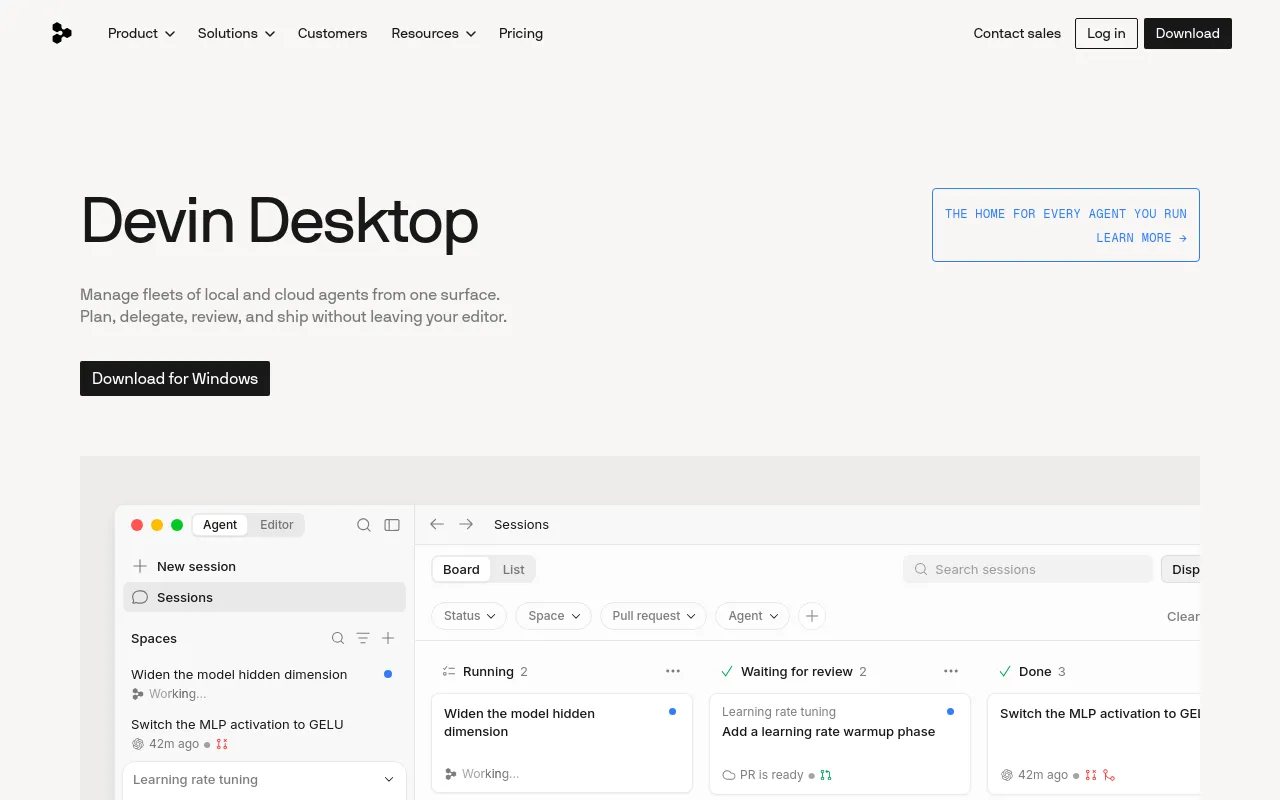
| Windsurf (Devin Desktop) | Former Codeium/Windsurf, now Cognition's multi-agent command center | Free → $20/mo Pro → $200 Max | Cognition SWE models + Claude, GPT, Gemini; also runs 3rd-party agents via ACP | No (closed) |
| Cline | Open-source, bring-your-own-key VS Code/JetBrains agent | Free (Apache-2.0); you pay only your model provider | Any (Anthropic, OpenAI, Google, OpenRouter, Bedrock, local Ollama) | Yes (Apache-2.0) |
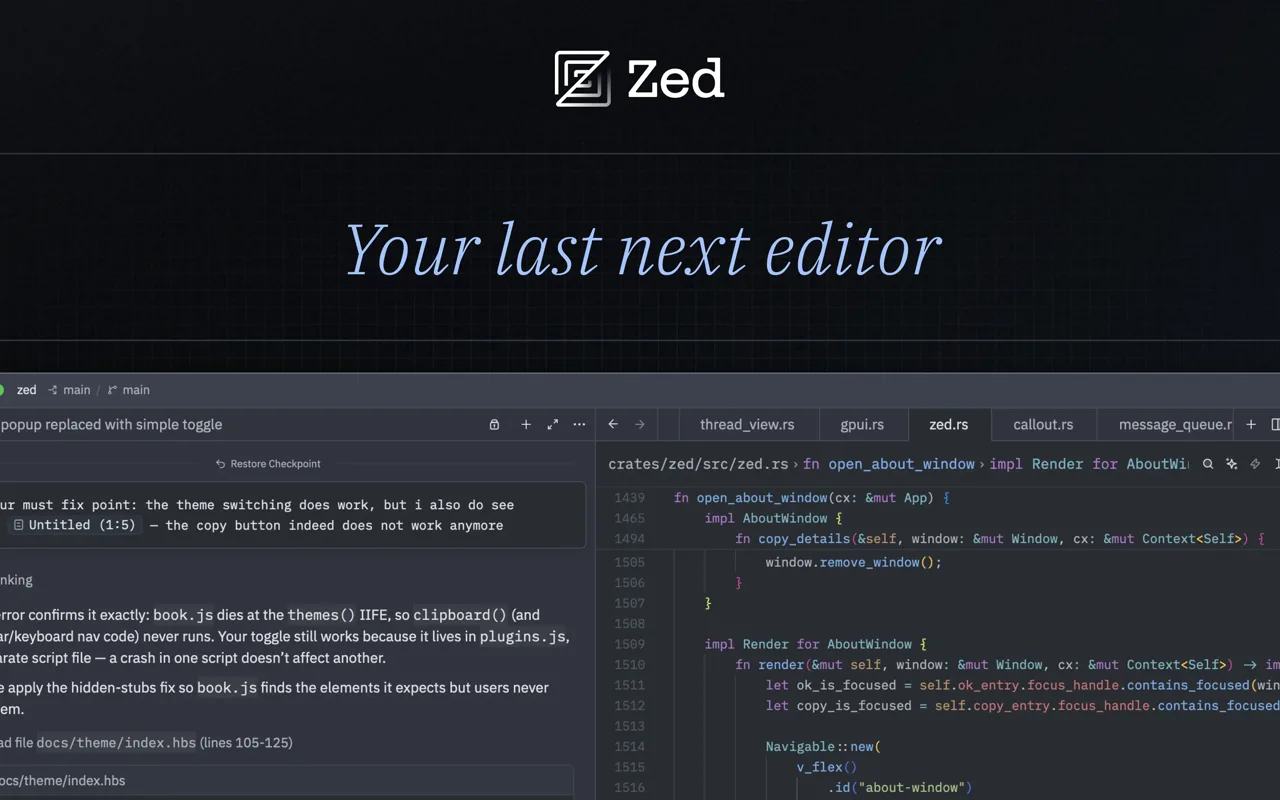
| Zed | Ground-up native editor (GPUI/Rust, not a VS Code fork) that runs external agents via the open protocol it created | Free Personal (2,000 predictions/mo) → $10/mo Pro → $30/seat/mo Business | Anthropic, OpenAI, Google, Mistral, DeepSeek + BYOK; runs Claude Code, Codex, Gemini CLI natively via ACP | Yes (GPL-3.0-or-later + Apache-2.0) |
| Junie | JetBrains' own agent, built into the IntelliJ IDEA/PyCharm/WebStorm IDE family, plus a standalone CLI | Free AI Free (3 credits/mo) → $10/mo Pro (Individual) → $30/mo Ultimate (Individual); Business tiers cost more for more credits | OpenAI, Anthropic & Google via shared credits or BYOK, or a local model via Ollama/LiteLLM | No (closed) |
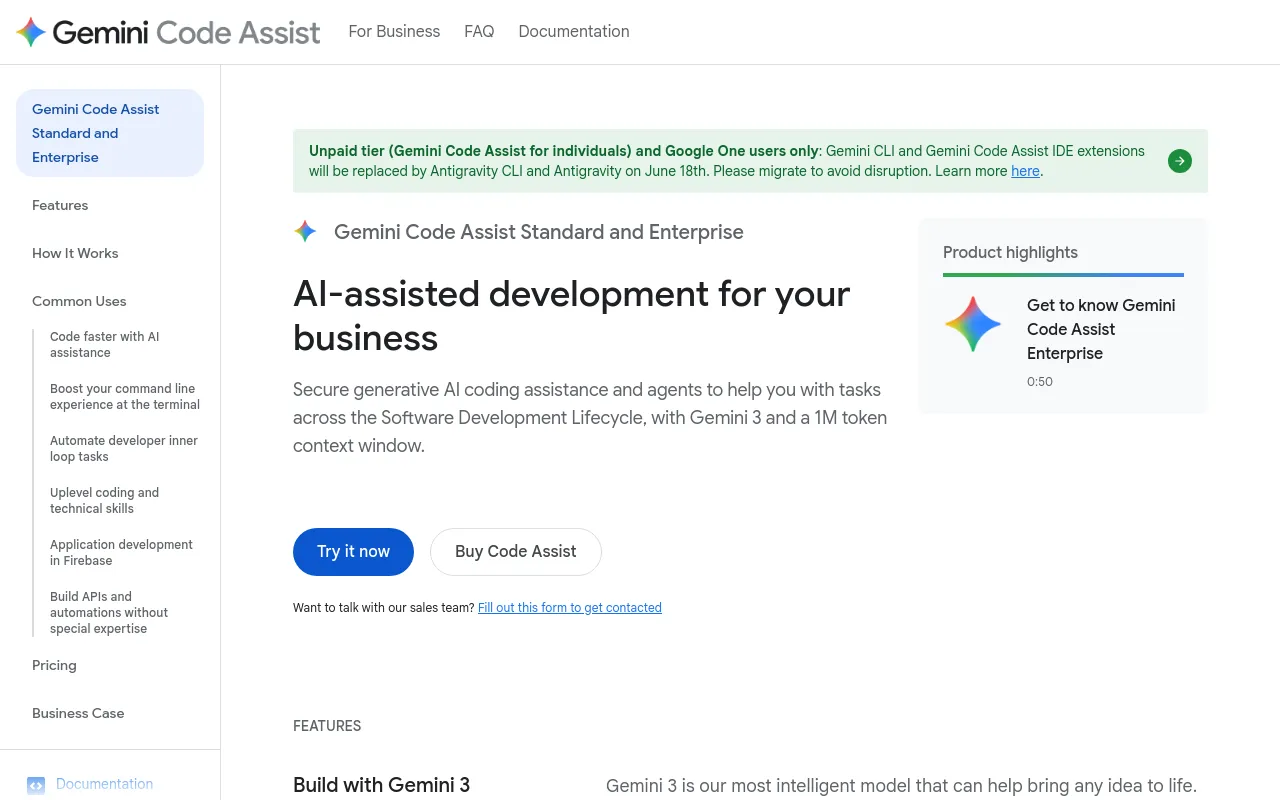
| Gemini Code Assist | Google's paid agent for VS Code, JetBrains and Cloud IDEs, built on Gemini 3 with a 1M-token context window | $19/user/mo Standard (billed annually) → $45/user/mo Enterprise (billed annually); 30-day trial | Gemini 3 only | No (closed) |
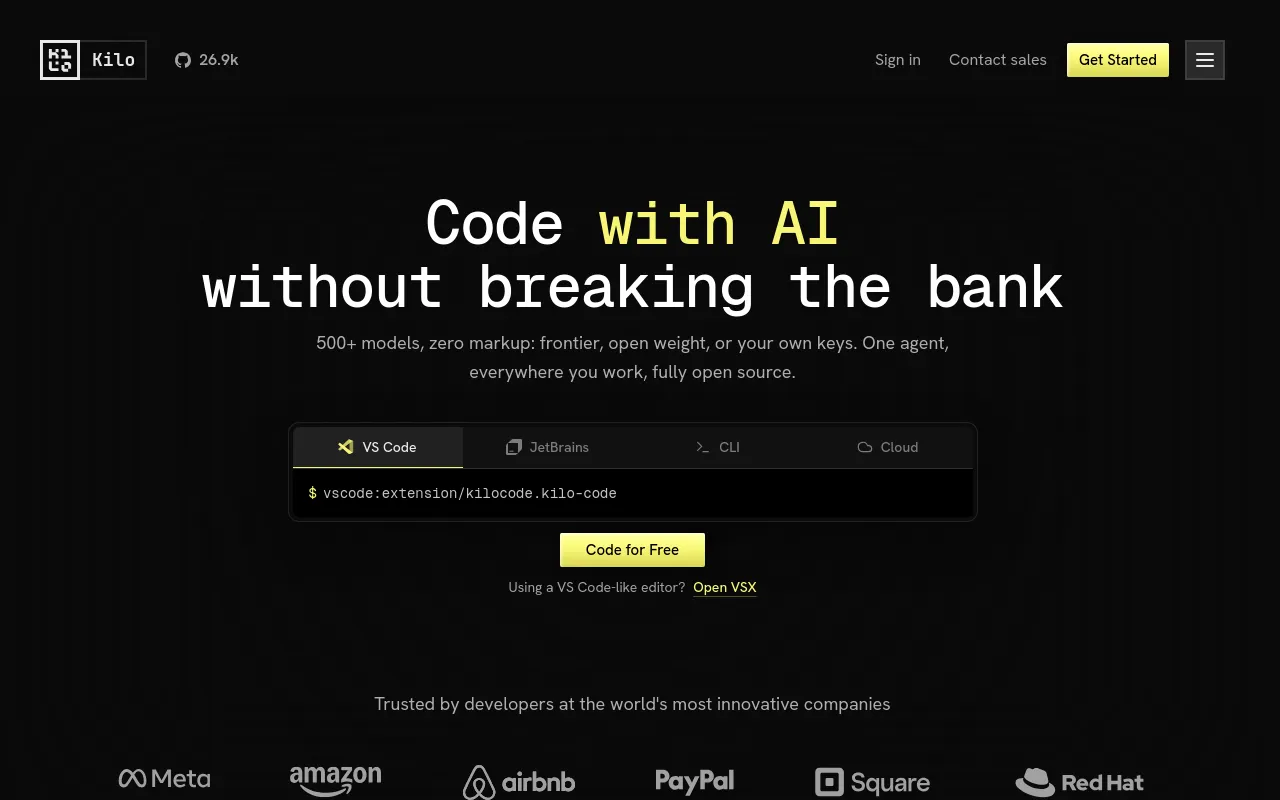
| Kilo Code | Open-source VS Code/JetBrains agent (plus a CLI and Cloud Agents) with a mode system for coding, debugging, review and planning | Free (Individual platform) → $15/user/mo (Teams); AI inference billed separately, BYOK or Kilo Pass credits from $19/mo | 500+ models via 60+ providers, BYOK or Kilo Gateway at provider rates (no markup) | Yes (MIT) |
Choose Cursor if you want the single most polished in-editor agent experience and don't mind a closed-source subscription, though weigh SpaceX's pending $60B acquisition of parent company Anysphere (announced 2026-06-16), which analysts have flagged as a risk to Cursor's currently model-neutral stance once it closes. Choose GitHub Copilot if your team already standardizes on GitHub and needs the most mature org-level governance and IDE coverage; its agent mode is deliberately more conservative than Cursor's or Devin's. Choose Windsurf (Devin Desktop) if you want to run several agents, including third-party ones like Claude Code or Codex, side by side in one open, vendor-neutral IDE, and can tolerate three rebrands in two years and a just-retired native agent (Cascade, end-of-life 1 July 2026). Choose Cline if you want zero lock-in and transparent, usage-only cost with full control over which model you run. The tradeoff is unbounded API spend and no managed support. Choose Zed if editor performance and an open-source, vendor-neutral foundation matter more than ecosystem maturity; it created the Agent Client Protocol that lets it run Claude Code, Codex or Gemini CLI natively (JetBrains has since adopted the same protocol), but its extension catalog ("hundreds," by its own count) and remote-development story are still well behind VS Code's. Choose Junie if you're already standardized on a JetBrains IDE and want the deepest single-IDE integration here. Agentic Debugging drives the real IDE debugger instead of guessing from logs, and Plan Mode reviews a change before any code is written, but budget for shared AI-credit pricing that JetBrains' own docs say agentic runs burn through faster than plain completion, and know it does nothing for you outside a JetBrains IDE. Choose Gemini Code Assist if your team is already standardized on Google Cloud and VS Code or JetBrains. It runs Gemini 3 with a 1M-token context window, well beyond what most rivals here advertise, and its Enterprise tier can tune against a private codebase and act through MCP servers via Agent Mode. But that Agent Mode is still labeled preview and Enterprise-only, there's no free tier since Google shut down the individual plan on 2026-06-18 in favor of a separate product (Antigravity), and evaluating it at all means starting a paid 30-day trial. Choose Kilo Code if you want an open-source, model-agnostic alternative to Cline with a broader model surface (500+ models, 60+ providers at Kilo Gateway's provider rates, no markup) and built-in PR review and vulnerability-scanning modes on top of plain editing, but budget separately for AI inference, since Kilo's cost is genuinely two-dimensional (a platform plan plus credits or BYOK spend), and independent cost reviews report real-world inference running well past the advertised entry price.
Segment 2: Terminal & power-user harnesses
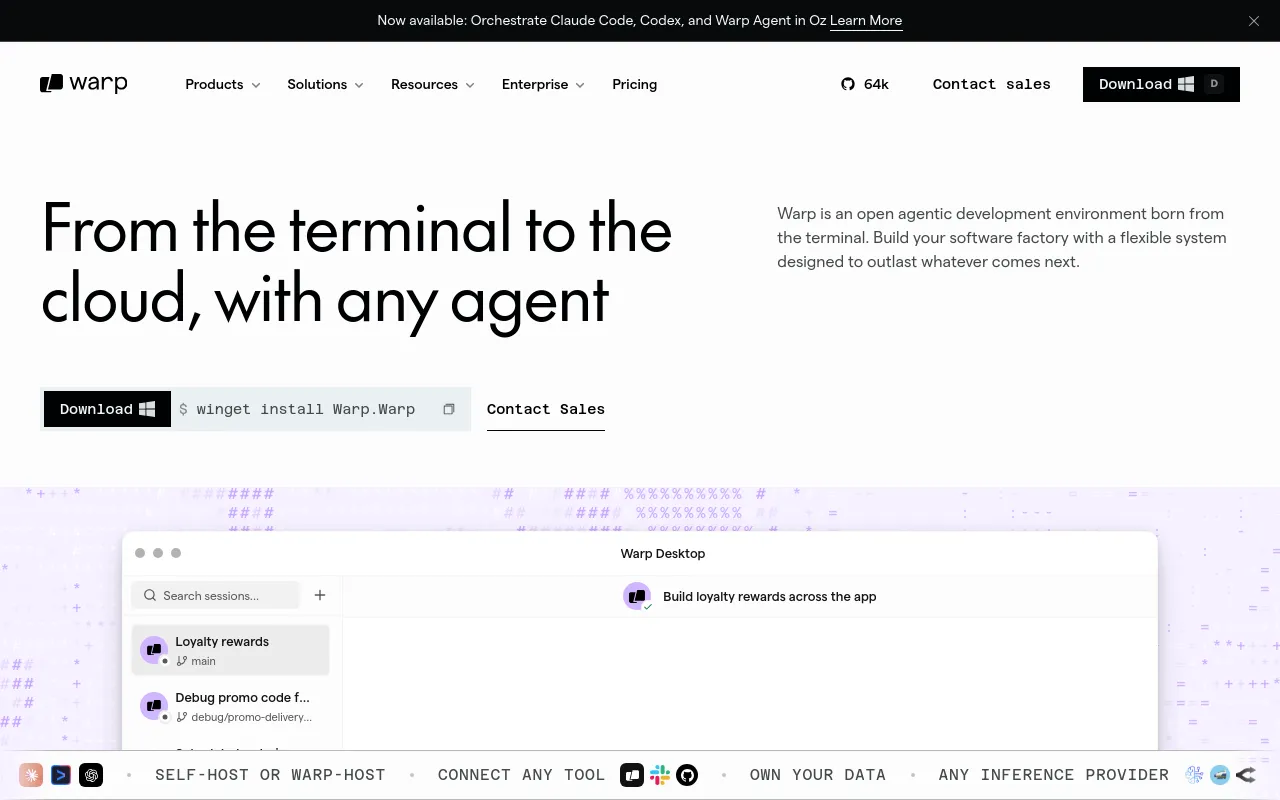
Command-line-first, scriptable into CI, and further split into three kinds: vendor agents that only run their own maker's models (Claude Code, Codex CLI, Antigravity CLI, and this edition's new arrival, Muse Code), model-agnostic harnesses that are free and open-source precisely because they don't sell a model at all, so you bring one (Aider, OpenCode, Zot, Juggler, and Goose), and one orchestrator that isn't a single agent at all: Warp is the terminal application itself, rebuilt to host and coordinate other vendors' agents (including Claude Code and Codex) side by side, rather than being one more CLI tool to pick between.
| Agent | Type | Cost | Models | Distinctive angle |
|---|---|---|---|---|
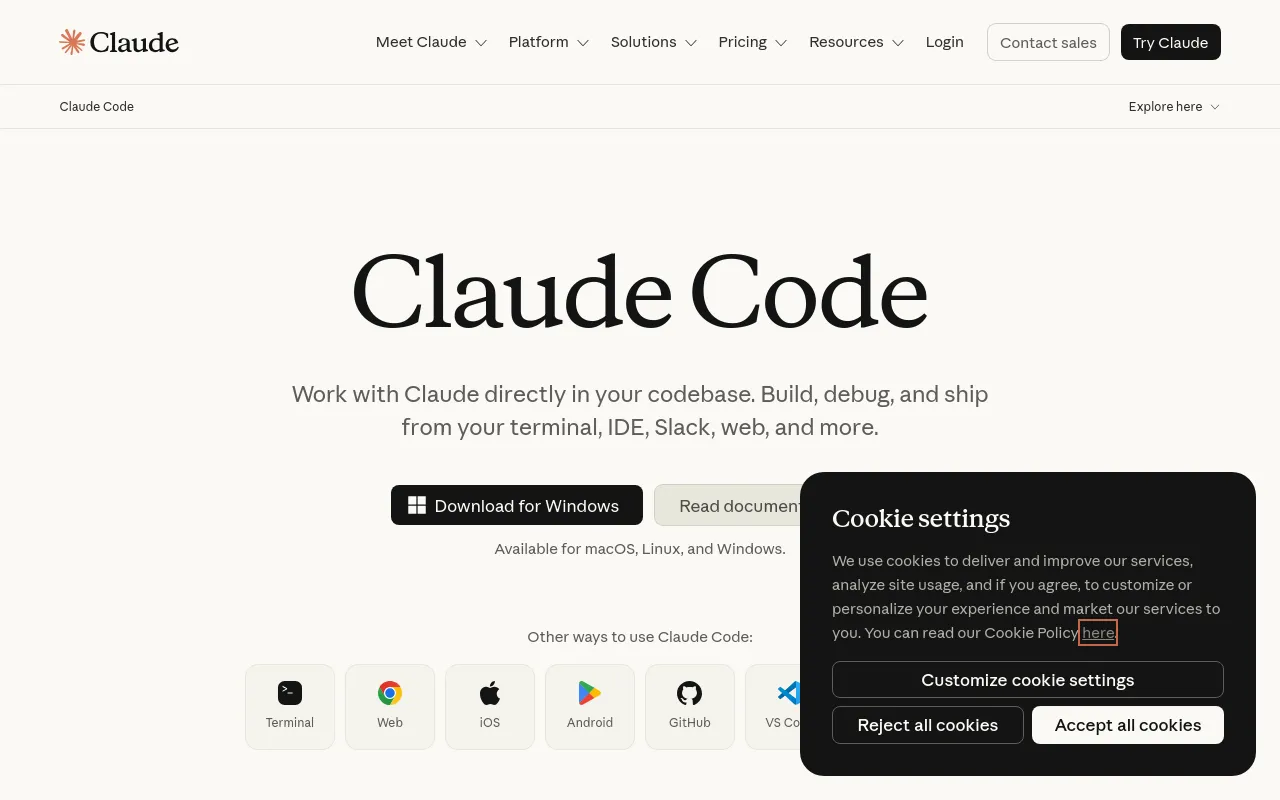
| Claude Code | Vendor agent (Anthropic) | From $17/mo (Pro, billed annually) or pay-per-token API | Claude only | Deepest multi-step reasoning over a whole repo; passed $1B run-rate revenue 6 months post-launch |
| OpenAI Codex CLI | Vendor agent (OpenAI) | Bundled into ChatGPT plans, Free through $200/mo Pro | OpenAI GPT-5.6 family (+ built-in Ollama/LM Studio/Bedrock) | No separate bill if you already pay for ChatGPT; open-source (Apache-2.0) tool, closed models |
| Antigravity CLI | Vendor agent (Google) | Free Individual → ~$19.99/mo Pro → ~$99.99+/mo Ultra | Gemini 3.5 Flash & 3.1 Pro, plus Claude Sonnet & Opus 4.6 | Google's forced replacement for the sunset Gemini CLI; a rival's models ship free alongside its own, but the tool itself is closed-source |
| Muse Code | Vendor agent (Meta) | No subscription; $1.25/$4.25 per 1M input/output tokens Standard, or $0.10/$0.20 Contributor tier | Meta's own Muse Spark 1.2 only | A discounted Contributor tier trains Meta's models on your prompts in exchange for ~8-12x cheaper tokens, an explicit priced opt-in none of the other three vendor agents offer; public beta, 4 days old at last check, macOS/Linux only (WSL2 for Windows) |
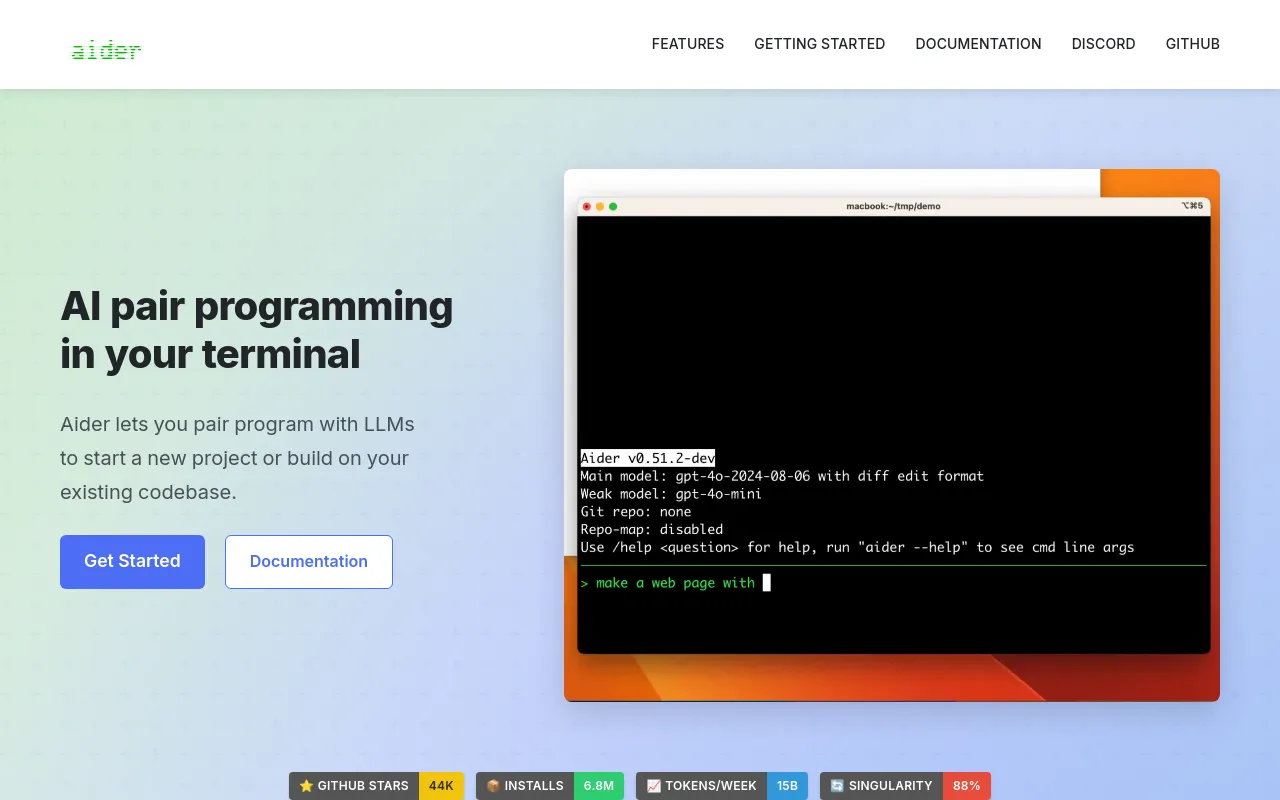
| Aider | Open-source harness | Free (Apache-2.0); BYO model key | Any (Claude, GPT, DeepSeek, local) | Every AI edit lands as its own git commit: the safest audit trail of any agent here |
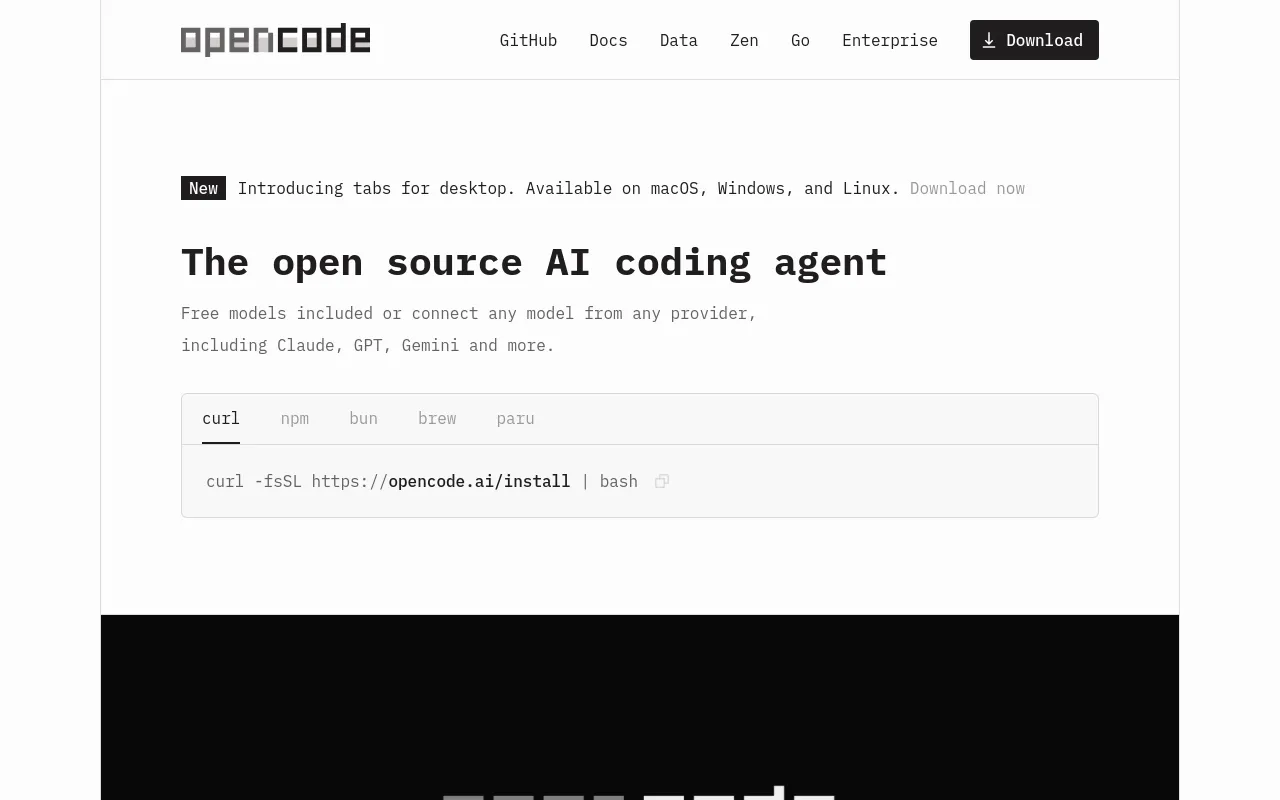
| OpenCode | Open-source harness | Free core (MIT); optional $10/mo Go plan or per-token Zen | 75+ providers via Models.dev + local Ollama | Can log in with an existing GitHub Copilot or ChatGPT subscription instead of a new key |
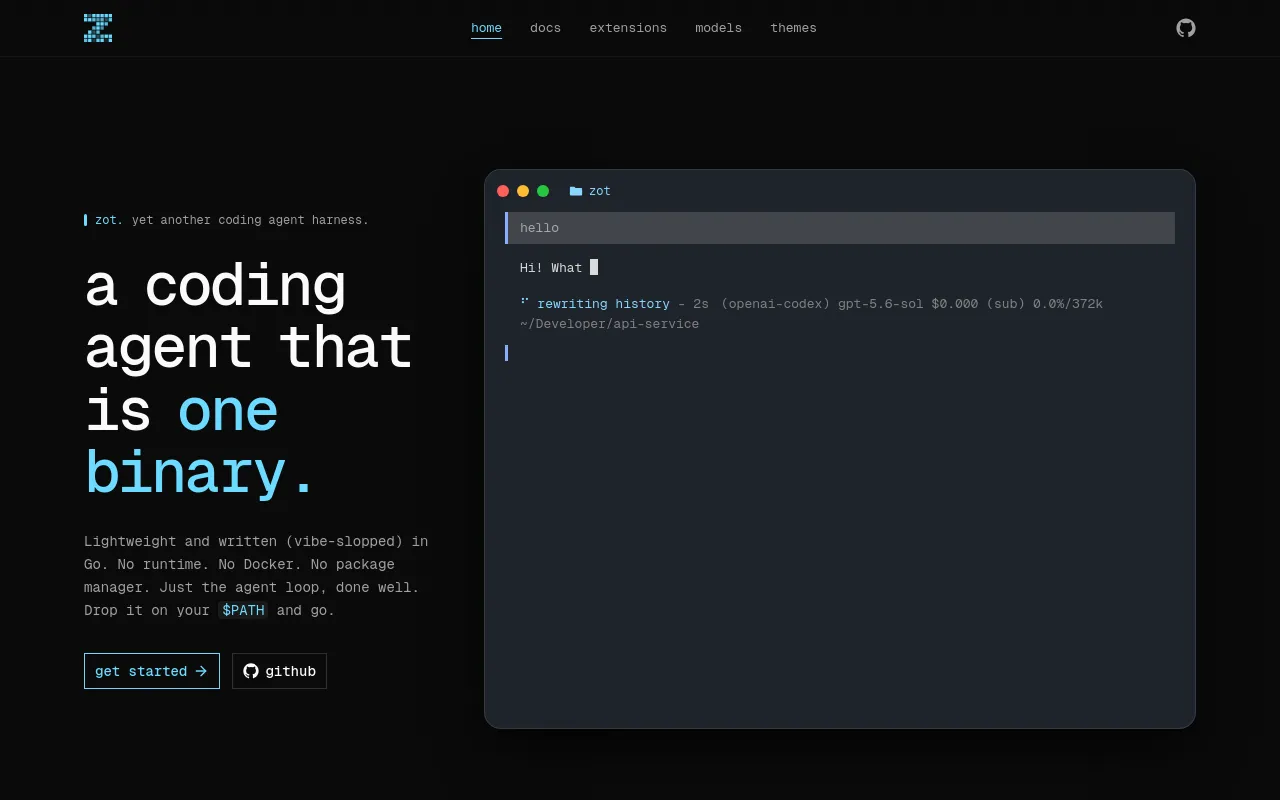
| Zot | Open-source harness | Free (MIT); BYO model key | 30+ providers + local Ollama | Fork any past message into a new session, view the whole tree; a Telegram bridge to drive it from a phone |
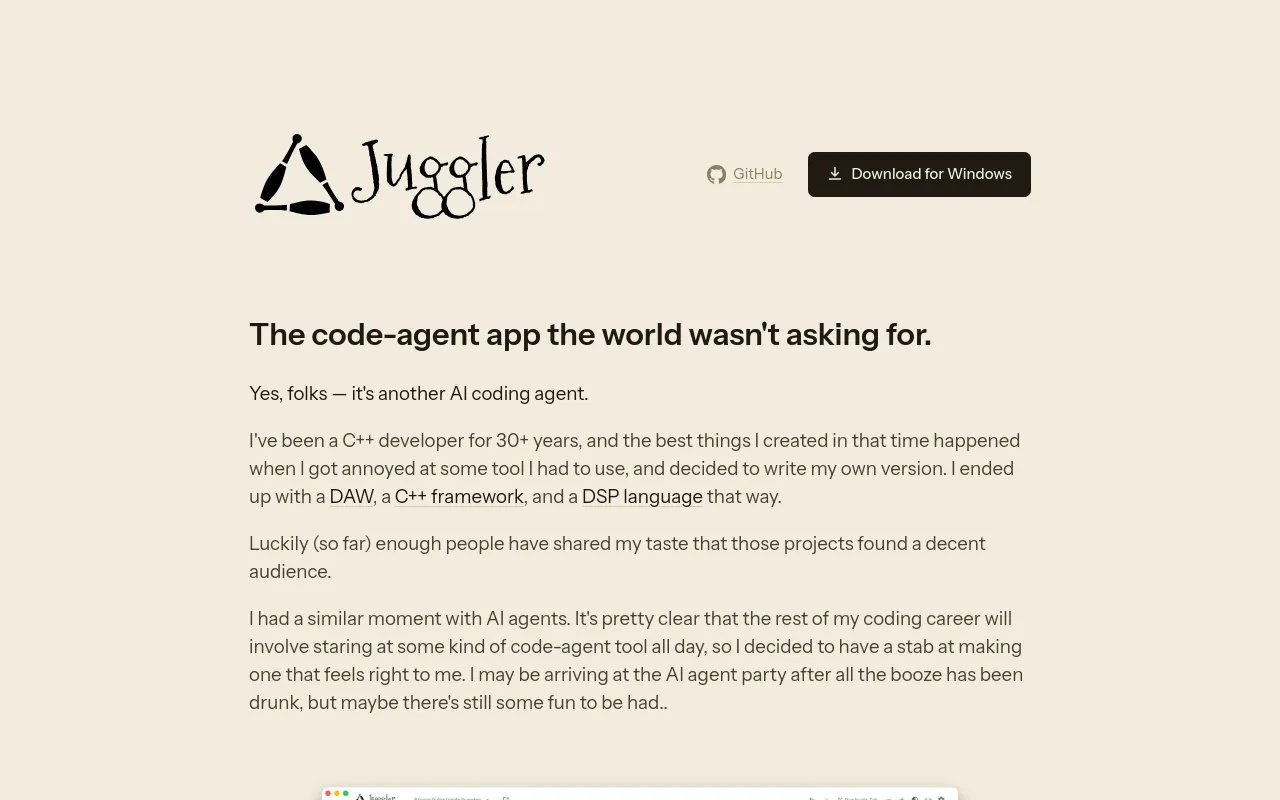
| Juggler | Open-source harness (GUI, not raw terminal) | Free (AGPLv3 app / Apache-2.0 extensions) | Claude, OpenAI, Gemini, Ollama, OpenRouter, DeepSeek via plugins | Same branching-session idea as Zot, but as a visual Miller-column workbench, not a CLI |
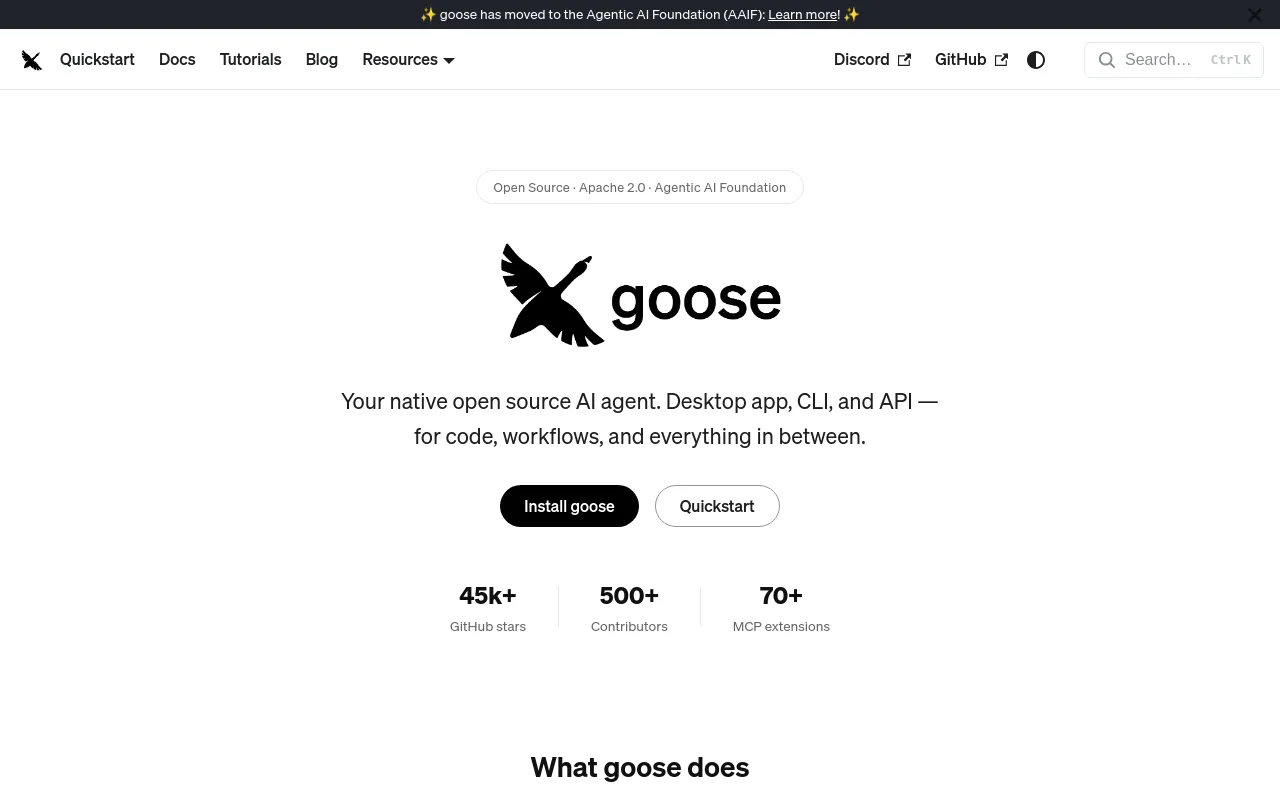
| Goose | Open-source harness, Linux Foundation-governed | Free (Apache-2.0); BYO model key, or reuse a Claude/ChatGPT/Gemini subscription via ACP | 15+ providers (Anthropic, OpenAI, Google, Ollama, OpenRouter, Azure, Bedrock, Tetrate) + local | ACP subscription support avoids a second API bill; 70+ MCP extensions; runs as CLI, Desktop app, or an ACP server inside Zed, JetBrains or VS Code |
| Warp | Orchestrator (terminal itself, not one agent) | Free → $20/mo Build → $200 Max → $50/seat Business | OpenAI, Anthropic, z.ai & more; hosts Claude Code and Codex directly | Open source since April 2026 (63.6k GitHub stars); replaces your terminal application rather than adding to it |
For the full license, model-portability and "what does free actually mean" breakdown across Claude Code, Codex CLI, Aider and OpenCode specifically, see our dedicated terminal coding agents comparison, and we won't re-derive that matrix here (it predates Antigravity CLI's launch and doesn't yet cover it). The two newest entrants, Zot and Juggler, both launched on Hacker News in July 2026 around the identical idea, a coding-agent session as a branchable tree instead of a linear transcript, and both ship real working versions of it. Both are also, by their own authors' admission, early: Juggler is alpha software with no ACP support yet, and Zot's own README discloses that its subscription-billing trick (reusing Claude/ChatGPT's OAuth client IDs) is a likely terms-of-service violation the maintainer warns could be revoked at any time. Use Zot's API-key flow if that risk matters to you. Goose is the most established of the model-agnostic harnesses here: 45k+ GitHub stars, 500+ contributors, Apache 2.0 licensed and under Linux Foundation stewardship since moving under the AAIF, with a built-in security layer (prompt-injection detection, sandbox mode, an adversary reviewer) none of Aider, OpenCode, Zot or Juggler document. Choose Claude Code if you want the strongest reasoning and are fine paying Anthropic directly. Choose Codex CLI if you already pay for ChatGPT Plus or above, but check OpenAI's own rate card first; it puts typical real-world cost at $100–200/developer/month once you're a regular user, well above Claude Code's entry price. Choose Antigravity CLI if you're already inside Google's ecosystem and want a free terminal agent with both Gemini and Claude model access, but only if you don't need an open-source license (unlike the Gemini CLI it replaced) or ACP compatibility with a third-party editor, neither of which it has yet. Choose Muse Code if you want to evaluate Meta's own coding model at a real cost discount, and are comfortable trading code privacy for Contributor-tier pricing or paying full rate for Standard's no-training commitment, but only if you don't need an established, independently-benchmarked track record or a Windows-native build; it's a public beta, 4 days old at last check. Choose Aider if an auditable git-commit trail matters more than anything else. Choose OpenCode if you want the broadest model choice and can reuse a subscription you already have, but read its two now-patched January 2026 security advisories first. Choose Zot or Juggler only if you want to be an early adopter of the branching-session idea and are comfortable with genuinely new, unproven software. Choose Goose if you want the most established open-source, model-agnostic harness here: Linux Foundation governance, a built-in security layer, and ACP support that lets you reuse a Claude, ChatGPT or Gemini plan instead of a separate API bill, plus 70+ MCP extensions and the same agent inside Zed, JetBrains or VS Code. But there's no managed hosting, provider rate-limit errors currently surface as hard failures rather than automatic retry, and independent testing found local-model output quality varies a lot by hardware. Choose Warp if you'd rather run Claude Code, Codex and its own Warp Agent side by side in one open-source, AI-native terminal than commit to a single vendor's CLI. The tradeoff is that you're switching your terminal application, not just adding a tool. Warp's paid tiers meter usage in credits that scale with how heavily you run agents.
Segment 3: Autonomous delegate-and-deploy agents
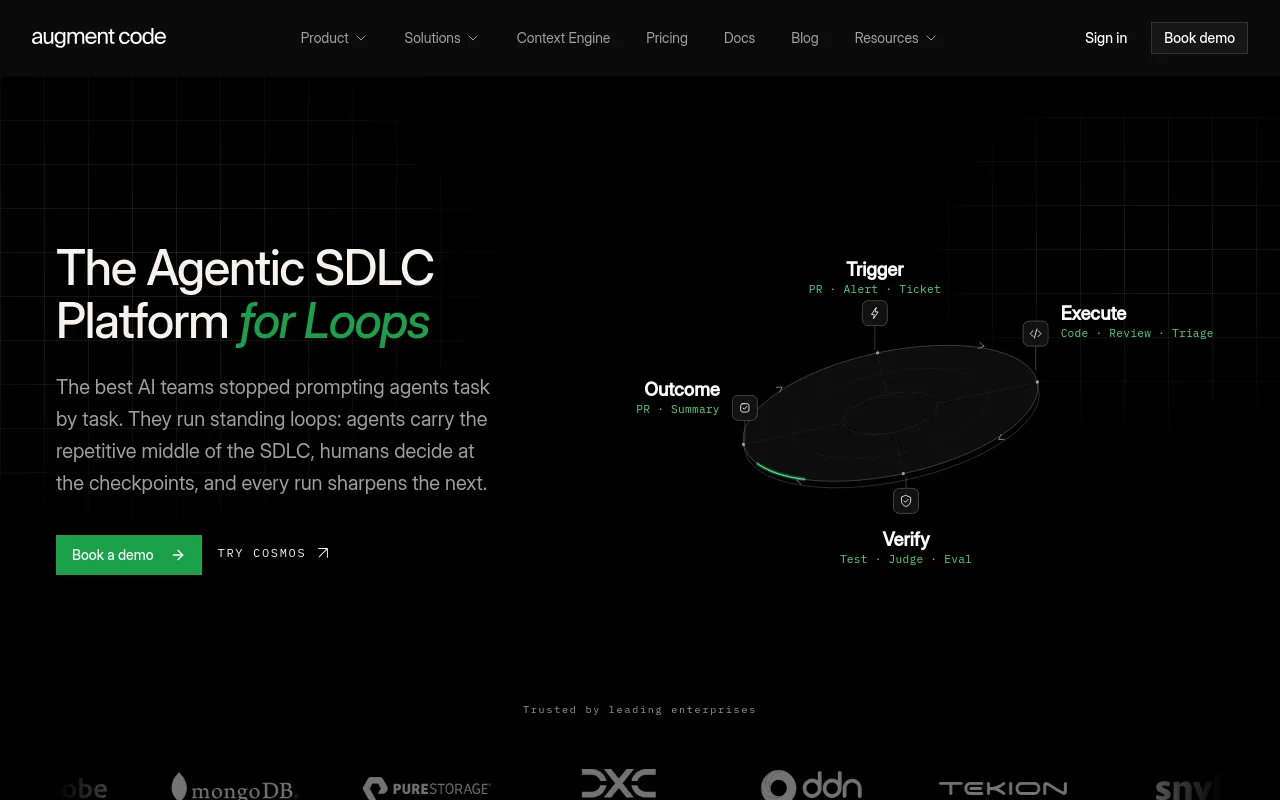
These aren't really rivals to each other either: Devin and OpenHands work against a codebase you already have (fix a bug, ship a migration, review a PR); Replit Agent and Bolt.new build a new app from a prompt and deploy it; Factory goes a step further than either pair, coordinating specialized agents across triage, coding, testing, release, docs and monitoring rather than delegating one ticket or one app; and Augment Code runs a similar coordinated set of loops through Cosmos, its own orchestration layer, covering code review, ticket-to-PR delivery, vulnerability remediation and incident response, with the option to run those agents inside a team's own AWS or GCP account instead of only the vendor's cloud. All four patterns share the same core promise (delegate the work, review the result) but solve for different starting points and different scopes.
| Agent | Job | Entry price | Openness | Watch out for |
|---|---|---|---|---|
| Devin | Delegate a ticket against your existing repo → get a reviewed PR | Free → $20/mo Pro → $200 Max | Closed, cloud-only (Enterprise offers VPC) | Independent reviewers find autonomy uneven on ambiguous tasks; on-demand credit billing can surprise |
| OpenHands | Same job as Devin, open-source and self-hostable | Free OSS core (MIT) → free capped Cloud tier → custom Enterprise | Open-source (MIT); Enterprise runs in your own VPC | Bring your own model key or pay OpenHands at cost; setup is more technical than Devin's |
| Replit Agent | Prompt → new full-stack app, built, tested and deployed in the browser | Free Starter → $20/mo Core → $95 Pro | Closed, cloud-only | Effort-based credit billing escalates fast on real feature work |
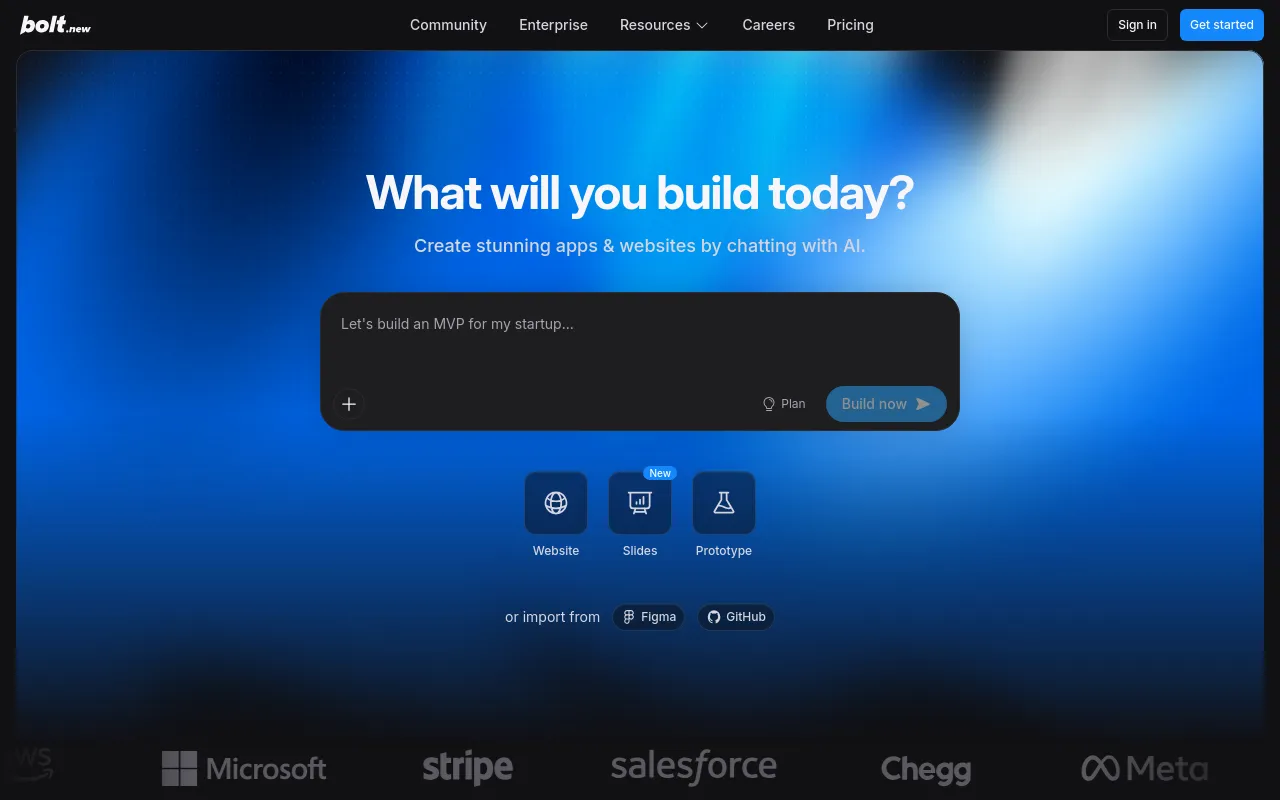
| Bolt.new | Same job as Replit Agent, running Node.js natively inside the browser tab (no remote VM) | Free ($0, capped tokens) → $25/mo Pro → $30/mo/seat Teams | Closed; the open-source starter kit is a frozen, unmaintained snapshot | 1.5/5 Trustpilot rating (189 reviews) over slow support; no public API |
| Factory | Coordinated "Droid" agents (code, review, test, docs, monitor) across the full SDLC, not one ticket | $20/mo Pro → $100 Plus → $200 Max → custom Business/Enterprise | Closed; on-premise/air-gapped options at Enterprise tier | No free tier or trial at any price point; deepest security controls (SSO, Zero Data Retention) are sales-gated |
| Augment Code | Coordinated Cosmos loops (code review, ticket-to-PR, vulnerability remediation, incident response), not one ticket | Free Community → $100/mo flat Business (up to 50 seats) → custom Enterprise | Closed; agents can run in a team's own AWS or GCP account, or on dev VMs, instead of only the vendor's cloud | Independent testing found only four premium models and no per-prompt cost visibility; real-world cost reported at $300–600/mo, well above the vendor's own $60–200/mo estimate |
Choose Devin if your bottleneck is well-scoped, delegable engineering work on an existing codebase and you want the most mature product; treat its PRs as a strong first draft, not a finished merge. Choose OpenHands instead if you need the same job done inside your own VPC for compliance reasons, or want to avoid Devin's closed-source cloud dependency, and can absorb a more technical setup. Choose Replit Agent if you're going from a plain-language idea to a deployed app and want the more mature, conventional cloud-VM platform. Choose Bolt.new if the same job but with a genuinely faster, browser-native iteration loop matters more to you than the vendor's currently poor support record. Verify that record has improved before committing a team to it. Choose Factory if your organization wants agents automating SDLC stages beyond code generation (triage, testing, release, docs) and can justify enterprise pricing with no free tier to try it first; its $150M Series C and named enterprise users (Morgan Stanley, EY, Palo Alto Networks) are real, but its public track record is still thin next to Devin's. Choose Augment Code if you want the same kind of coordinated ticket-to-PR and code-review loops as Factory, but with the option to run them inside your own AWS or GCP account and a genuine free Community tier to start on. Verify pricing directly with the vendor first, since its own site, third-party trackers and independent real-world testing currently describe three different numbers for what a paid plan actually costs.
Segment 4: Code review agents (a different job entirely)
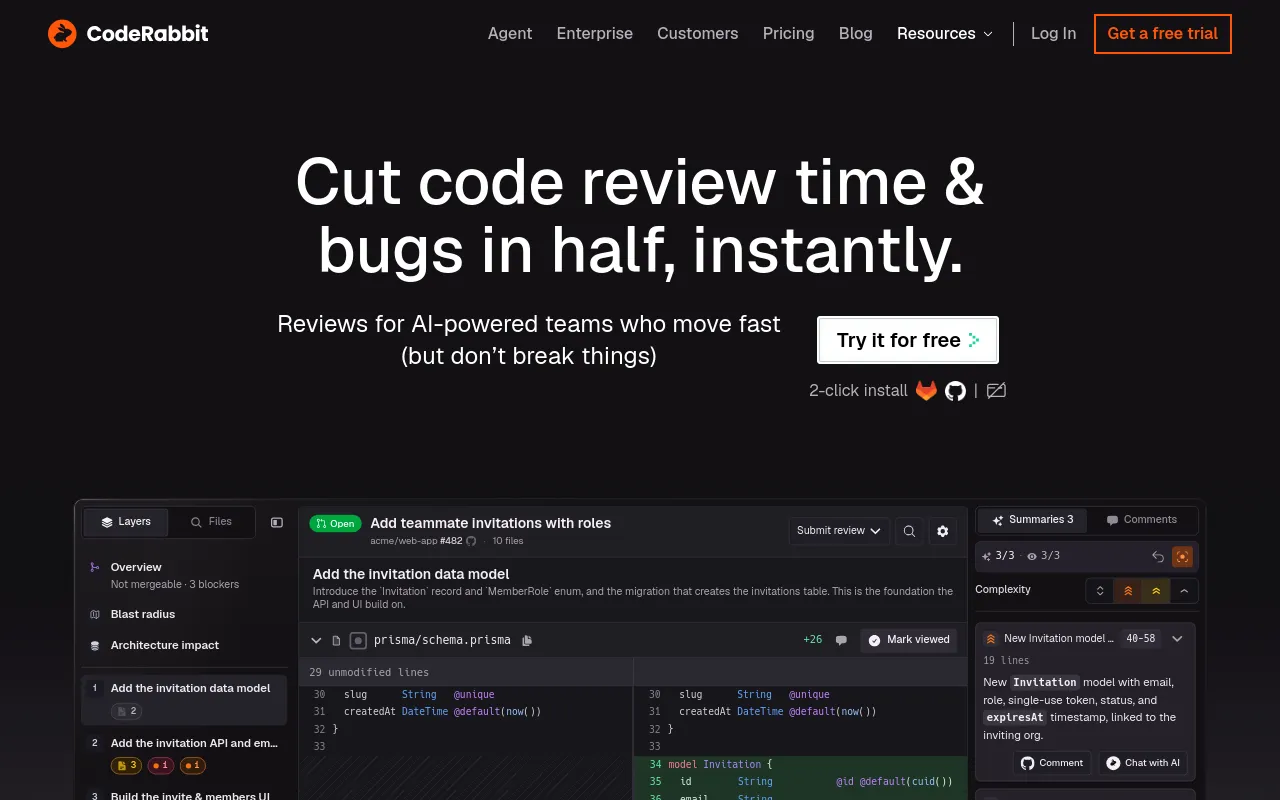
CodeRabbit doesn't compete with anything in Segments 1–3; it reviews the pull requests those agents (or a human) produce, rather than writing code itself.
| Agent | Job | Entry price | Openness | Watch out for |
|---|---|---|---|---|
| CodeRabbit | Automatically reviews every PR/commit across GitHub, GitLab, Bitbucket and Azure DevOps, plus IDE/CLI review in VS Code, Cursor and Windsurf | Free (unlimited public/private repos) → paid Pro tier for teams | Closed-source SaaS; API access and self-hosting are Enterprise-only | A separate Slack Agent add-on bills at $0.50/agent-minute; multi-model backend isn't user-selectable |
Choose CodeRabbit if you want automatic, consistent first-pass review on every pull request regardless of which agent (or human) wrote the code. Its genuine free tier and broadest code-host coverage make it the easiest of the 25 to just turn on, but budget for the Slack add-on's per-minute billing if you want it, and don't expect self-hosting without an Enterprise contract.
One pattern the 24 code-writing agents confirm
Read every cons list in Segments 1–3 back to back and the same three tensions recur, regardless of segment: closed-source vendor lock-in (Cursor, GitHub Copilot, Windsurf, Antigravity CLI, Devin, Replit Agent, Bolt.new, Factory, Gemini Code Assist and Augment Code all tie you to one company's roadmap and pricing. Factory is doubly so, since it has no free tier at any price point, Antigravity CLI doubly so in a different way, since it replaced an open-source predecessor with a closed one, and Augment Code doubly so again, since its own pricing page, third-party trackers and independent testing currently describe three different numbers for what a paid plan costs), unbounded or opaque usage-based cost (Cline, Aider, Zot, Goose, Warp, Zed, Codex CLI, Muse Code, Junie and Kilo Code bill through a model provider or credit system that can spike with a single hard task. Muse Code is doubly so, since its cheaper Contributor tier also spends your code privacy, and Junie doubly so in a different way, since its shared AI-credit pool covers every other JetBrains AI feature too, not just this agent. Kilo Code is doubly so again, because its cost runs on two separate axes (a platform plan plus metered inference) and independent cost reviews report unpredictable credit burn), and uneven autonomy that still needs a human to check the work (independent reviewers flag exactly this for Devin, and every "autonomous" agent in Segment 3 ships review-first, not merge-first, for the same reason). No agent in Segments 1–3 has solved all three at once; the honest tradeoff is which one or two you're willing to accept. Warp, Zed and Goose are the three partial exceptions to the first tension: unlike most other listings here, all three are open source and multi-vendor by design, so "vendor lock-in" doesn't really apply the same way. Their own tradeoffs are scope (Warp: switching your whole terminal), ecosystem maturity (Zed: a far smaller extension catalog and thinner remote-dev story than VS Code) and self-managed setup with hard-failing provider rate limits (Goose) rather than lock-in. CodeRabbit (Segment 4) sits outside this analysis entirely: its job is reviewing code, not writing it, so the autonomy tension doesn't apply the same way, though it carries its own version of vendor lock-in (closed-source SaaS, self-hosting Enterprise-only). It's also worth knowing that two pairs of these 25 listings share an owner: Cognition owns both Devin and Windsurf (Devin Desktop), and Google owns both Antigravity CLI and Gemini Code Assist , so picking both within either pair isn't the vendor diversification it might look like.
The decision, in order
- Do you want to keep writing code yourself, just faster, inside an editor you already use? → Segment 1. Want the smoothest experience and don't mind closed-source: Cursor. Already standardized on GitHub and need governance: GitHub Copilot. Want zero lock-in and full model control: Cline. Want to run several agents side by side in one IDE: Windsurf. Want the fastest, open-source editor and the freedom to run Claude Code, Codex or Gemini CLI natively via an open protocol instead of one vendor's built-in agent: Zed. Already standardized on a JetBrains IDE and want the deepest debugger-aware integration: Junie. Already standardized on Google Cloud and want the largest context window here: Gemini Code Assist. Want an open-source, model-agnostic editor agent with a broader model surface than Cline and built-in PR review: Kilo Code.
- Do you live in the terminal or CI, and want a scriptable agent? → Segment 2. Already pay for Claude Pro/Max or ChatGPT: Claude Code or Codex CLI respectively, so there's no new bill. Already inside Google's ecosystem and want a free tier with both Gemini and Claude models: Antigravity CLI. Want it fully free and open with any model: Aider (simplest, git-native) or OpenCode (broadest provider list). Want the most established open-source, model-agnostic option, with Linux Foundation governance and the ability to reuse a Claude/ChatGPT/Gemini subscription instead of a new API bill: Goose. Want to see every tool call as a branching tree rather than a flat log, and are comfortable with early-stage software: Juggler (GUI) or Zot (CLI + Telegram). Want to run several agents (Claude Code, Codex) side by side in one AI-native terminal instead of picking just one: Warp.
- Do you want to delegate the whole task and review finished work, not pair-program? → Segment 3. Fixing/extending an existing codebase, want the most mature product: Devin. Same job, need it self-hosted in your own VPC: OpenHands. Building a new app from a prompt, want the more established platform: Replit Agent. Same, but want the faster browser-native loop and can tolerate the support-quality risk: Bolt.new. Want agents automating whole SDLC stages, not just one ticket, and can justify enterprise pricing: Factory. Want the same coordinated-loops idea with a free tier and the option to run inside your own cloud account: Augment Code.
- Do you want an agent to review the code these agents write, not write it yourself? → Segment 4. CodeRabbit is the one listing built for this job, with a genuine free tier and the widest code-host coverage.
FAQ
Which of these 25 are actually free to use?
Fully free and open-source at the core, with no subscription ever required: Cline, Aider, Zot, Juggler, Goose, OpenCode, OpenHands and Kilo Code (the last three also offer optional paid tiers on top; Kilo Code's free Individual platform plan is separate from its metered AI-inference cost, which is never free once you go past your own local model). Goose itself never charges anything; whatever LLM provider you connect, or a Claude/ChatGPT/Gemini subscription reused via ACP, is where the real running cost sits. Warp and Zed are open-source too, but both cap their free usage: Warp's free tier caps out at 75 credits/month after an initial two-month allowance, and Zed's Personal plan caps at 2,000 accepted edit predictions/month (unlimited if you bring your own model key), so heavier managed use pushes either toward a paid tier. Cursor, GitHub Copilot, Windsurf, Devin, Replit Agent, Bolt.new, Codex CLI, Antigravity CLI, CodeRabbit, Junie and Augment Code each have a free tier bolted onto a paid (or, for Antigravity CLI, closed-source) product. Junie's AI Free plan never expires, but its 3 monthly AI Credits leave little room for actual agentic use, and Augment Code's free Community plan is the only free way into a coordinated multi-agent loop platform in Segment 3. Claude Code, Factory, Muse Code and this edition's new arrival, Gemini Code Assist, are the four exceptions with no standalone free tier at all: Claude Code's cheapest entry is the $17/month Claude Pro plan, Factory's is the $20/month Pro plan, Muse Code bills every request per token from the first run on either its Standard or Contributor rate, and Gemini Code Assist's only free personal tier was shut down 2026-06-18, so evaluating it today means starting a paid 30-day trial of the $19/user/mo Standard plan.
Is "open source" the same as "free to run"?
No. Cline, Aider, Zot, Juggler, Goose, OpenCode, Warp, Zed and Kilo Code's core are open-source, but all of them are bring-your-own-key or credit-metered, so you still pay whichever model provider you connect (or, for Warp/Zed, work within its credit allotment, or for Kilo Code, its Gateway credits or platform plan) or run a local model for free. Open-source here means no vendor lock-in and no subscription to the tool, not zero cost to run a frontier model against it.
Which of these can I safely leave unattended?
Devin, OpenHands, Replit Agent, Bolt.new, Factory and Augment Code (Segment 3) are built to run largely unattended and hand back finished work. Treat all of them as producing a strong first draft, not a finished merge. Independent reviewers specifically flag Devin's autonomy as uneven on ambiguous tasks, and the same review-before-you-trust discipline applies to the others, including Augment Code's ticket-to-PR and incident-response loops. CodeRabbit (Segment 4) is a different case: it runs unattended too, but its output is review comments on code someone else wrote, not a merge-ready change of its own.
Are any of these connected by ownership?
Yes, two pairings are worth knowing: Cognition owns both Devin and Windsurf (Devin Desktop), and Google owns both Antigravity CLI and Gemini Code Assist , so picking two agents from the same maker isn't the vendor diversification it might look like. Separately, SpaceX agreed in June 2026 to acquire Cursor's parent company Anysphere, a deal still pending regulatory approval as of this guide's publication.
How is CodeRabbit different from the other 24 agents here?
Every other listing in this category writes, edits or ships code. CodeRabbit doesn't; it automatically reviews the pull requests and commits those agents (or a human developer) produce, across GitHub, GitLab, Bitbucket and Azure DevOps, plus IDE/CLI review inside Cursor, Windsurf and VS Code. It pairs with a coding agent rather than replacing one, and it's the only listing in this category with a genuine free tier and no paid floor to start using it.
What's the single biggest thing generic "best coding agent" lists get wrong?
They rank Segment 1, 2, 3 and 4 tools against each other on the same list, as if an in-editor assistant, a terminal harness, an autonomous cloud engineer and a code reviewer were competing for the same job. They aren't. Decide which job you need done first, then compare within that segment.
Every agent above carries its own full researched listing: pricing tiers, sourced pros and cons, and a committed verdict on who it's for and who it isn't. Start with the coding agents category for the full set, or see our terminal agents deep dive for the license and model-portability specifics behind Segment 2.
 Captured · theagentsindex.com
 Captured · theagentsindex.com
 Captured · theagentsindex.com
 Captured · theagentsindex.com
 Captured · theagentsindex.com
 Captured · theagentsindex.com
 Captured · theagentsindex.com
 Captured · theagentsindex.com
 Captured · theagentsindex.com
 Captured · theagentsindex.com
 Captured · theagentsindex.com
 Captured · theagentsindex.com
 Captured · theagentsindex.com
 Captured · theagentsindex.com
 Captured · theagentsindex.com
 Captured · theagentsindex.com
 Captured · theagentsindex.com
 Captured · theagentsindex.com
 Captured · theagentsindex.com
 Captured · theagentsindex.com
 Captured · theagentsindex.com
 Captured · theagentsindex.com
 Captured · theagentsindex.com
 Captured · theagentsindex.com
 Captured · theagentsindex.com
Frequently asked questions
Which of these 25 are actually free to use?
Is "open source" the same as "free to run"?
Which of these can I safely leave unattended?
Are any of these connected by ownership?
How is CodeRabbit different from the other 24 agents here?
What's the single biggest thing generic "best coding agent" lists get wrong?
Advertise here
Reach buyers mid-decision. Reach builders choosing their next agent. Promote your brand with a display placement or bring your listing into focus with Featured.
Explore owner options →Advertise on this page →The digestFree
Which agents actually ship.
What we re-checked, what got added, and one number from the index. Tuesdays.
One-click unsubscribe