Framework, Platform, or Ready-Made AI Agent?
The decision that comes before any tool comparison: what you are actually buying at three levels of the stack, and the tradeoff at each one.
On this page
Scope · 4 topics
- Frameworks
- Agent platforms
- Decision guide
- Build vs buy
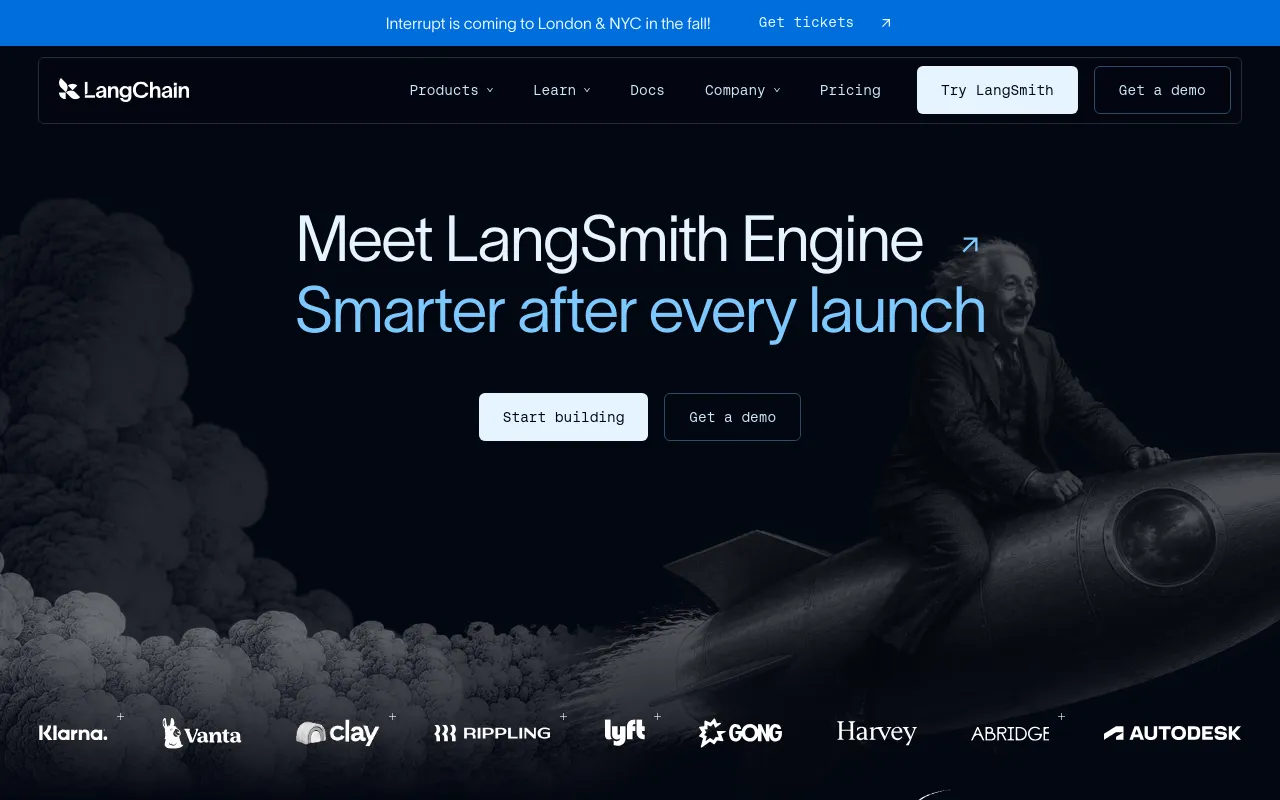
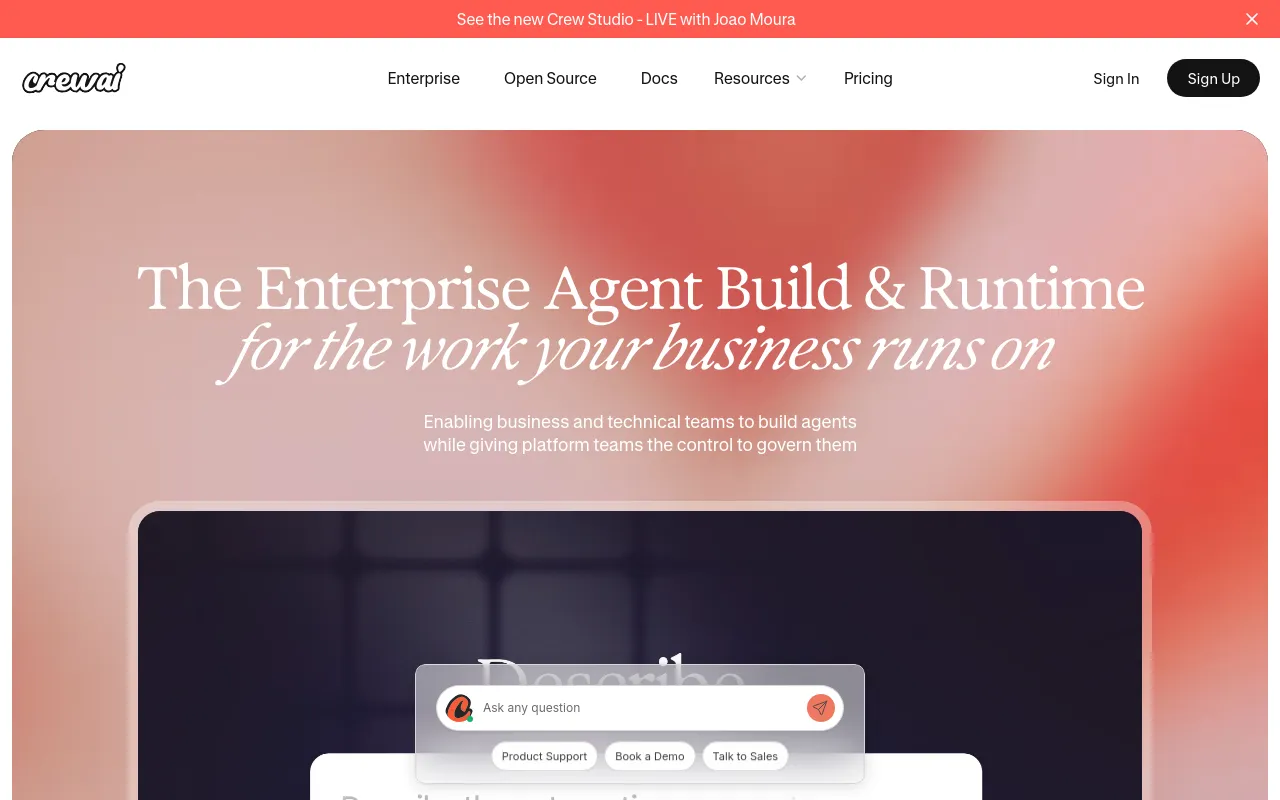
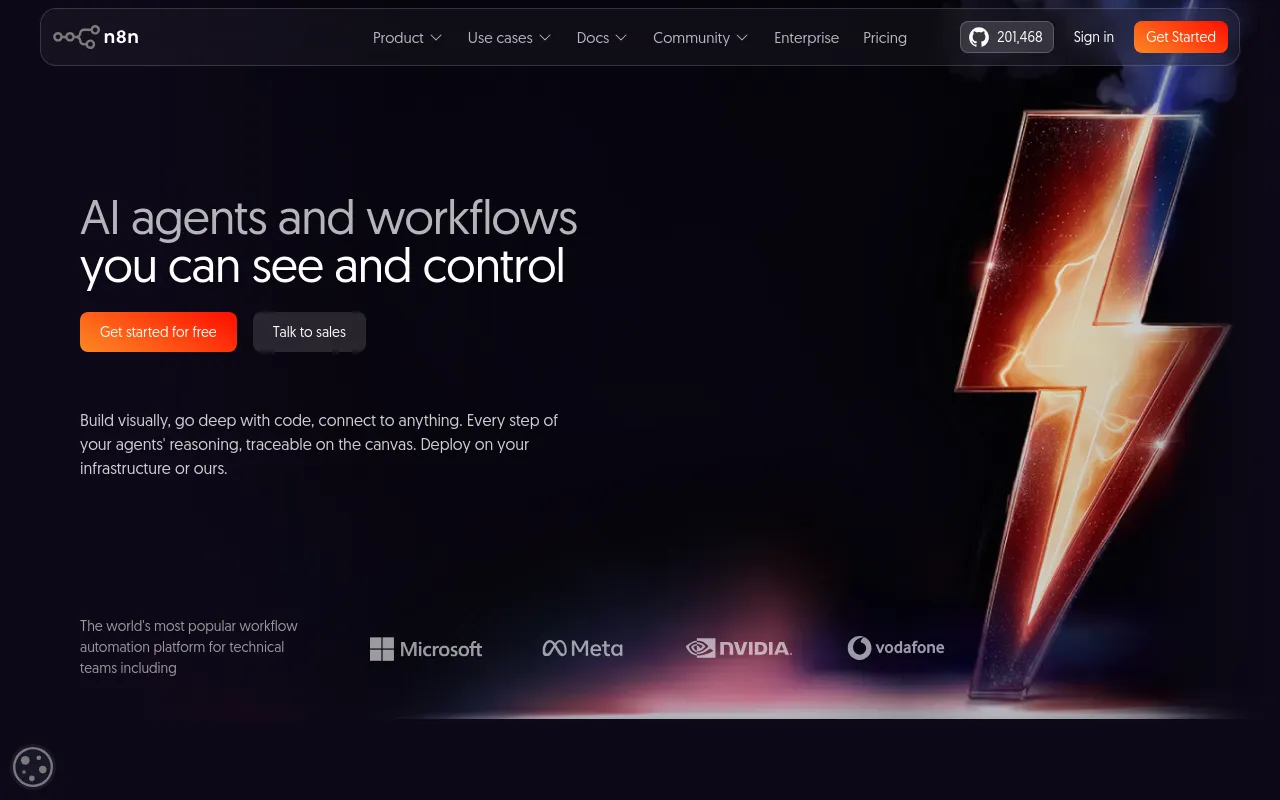
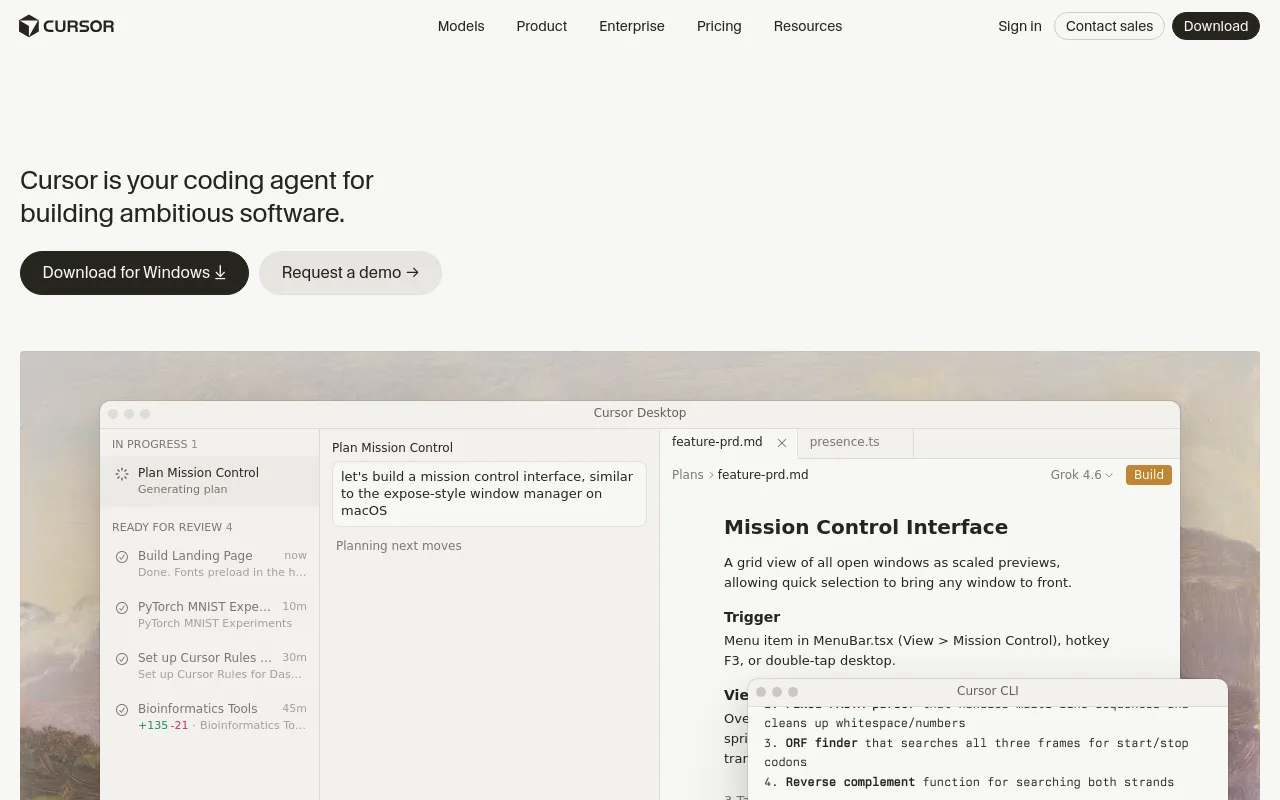
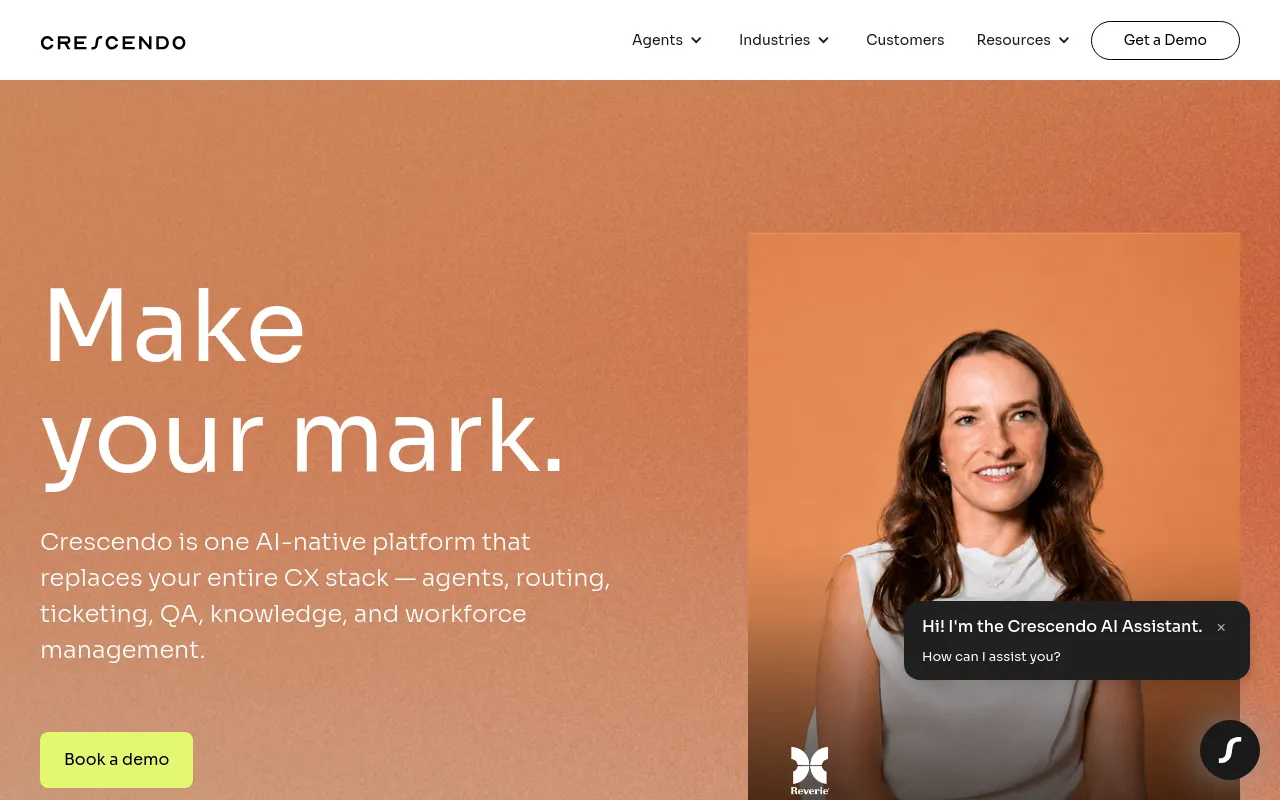
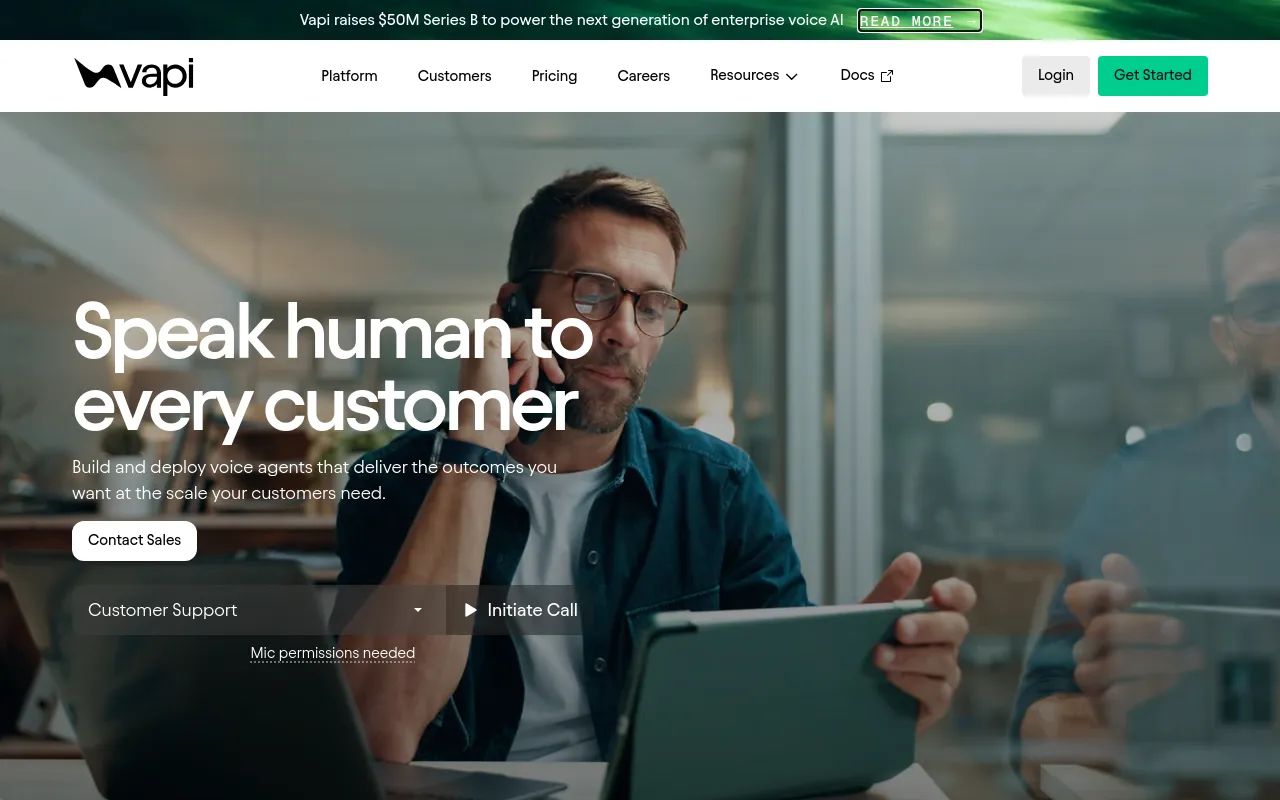
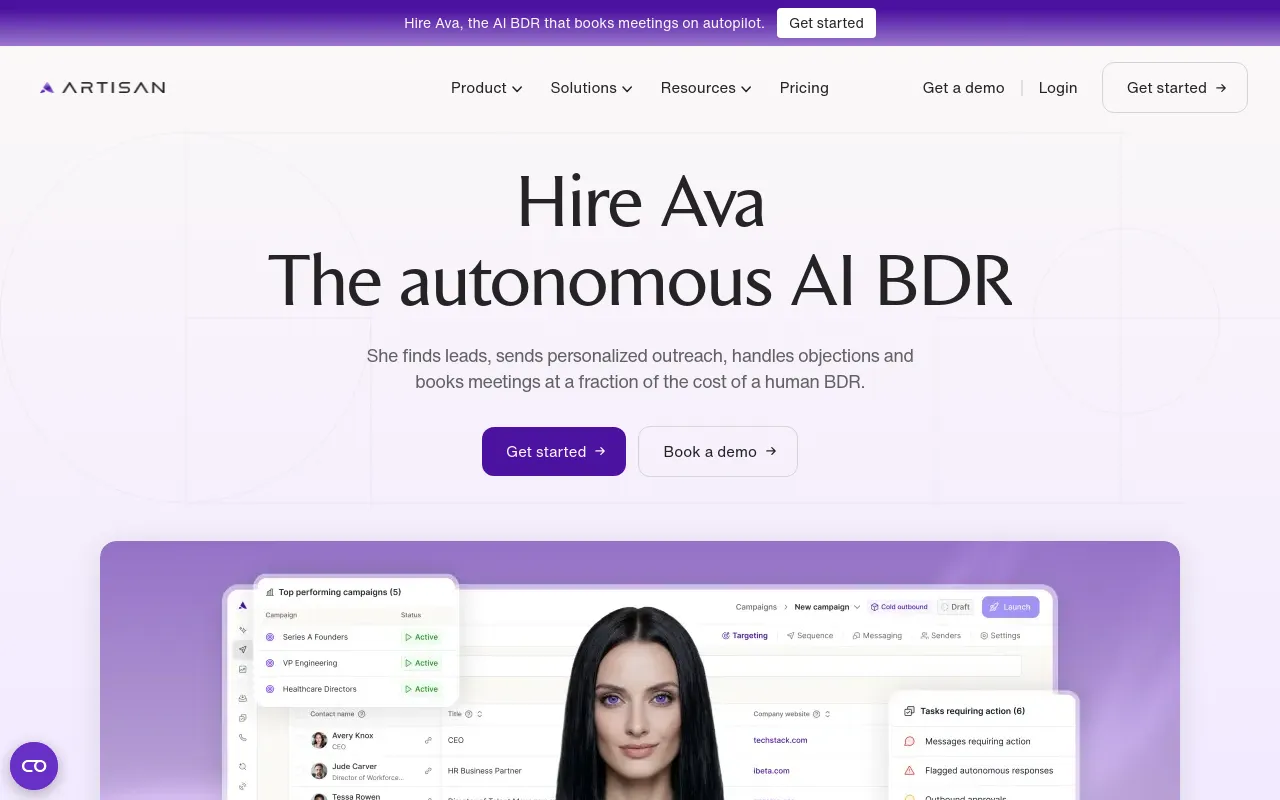
Every one of our other seven comparison guides starts from a decision that's already been made: "you know you want a framework, here's which of the eight" or "you know you want a coding agent, here's which of the eighteen." But the question we hear more often comes before any of that: should I write code, configure a builder, or just sign up for a finished product? Read across all 55 listings in our index and three genuinely different things get called "AI agents," and buyers routinely shortlist across all three as if they were rivals. A framework (LangChain, CrewAI, Mastra) is a code library: you write the agent, and you own every line of it. A platform (n8n, Lindy, Dify) is a builder: you configure the agent through a visual canvas or plain-language prompts, and the vendor (or your own infrastructure, if it's open-source) runs it. A ready-made agent (Cursor, Decagon, Vapi, Artisan, Perplexity) is a finished product scoped to one job: you sign up, and someone else already decided how the agent works. None of the three is "better" than the others in the abstract; they trade control for speed in opposite directions, and picking the wrong tier wastes more time than picking the wrong tool within the right one.
The three tiers, at a glance
One representative row per tier, not per tool. Every figure is pulled from the named tools' own researched listings, current as of this guide's publish date.
| Tier | What you're actually buying | Examples in our index | Typical cost | Who owns the agent's logic |
|---|---|---|---|---|
| Framework | A code library you import and build with | LangChain, CrewAI, Mastra, Letta (9 total in our frameworks category) | Free, open-source core in all 9: you pay your own model provider, plus an optional paid observability or hosting layer (e.g. LangSmith from $39/seat/mo, or Microsoft Agent Framework's Foundry Hosted Agents billed as Azure consumption) | You, entirely: every prompt, tool call and control-flow decision is code you write |
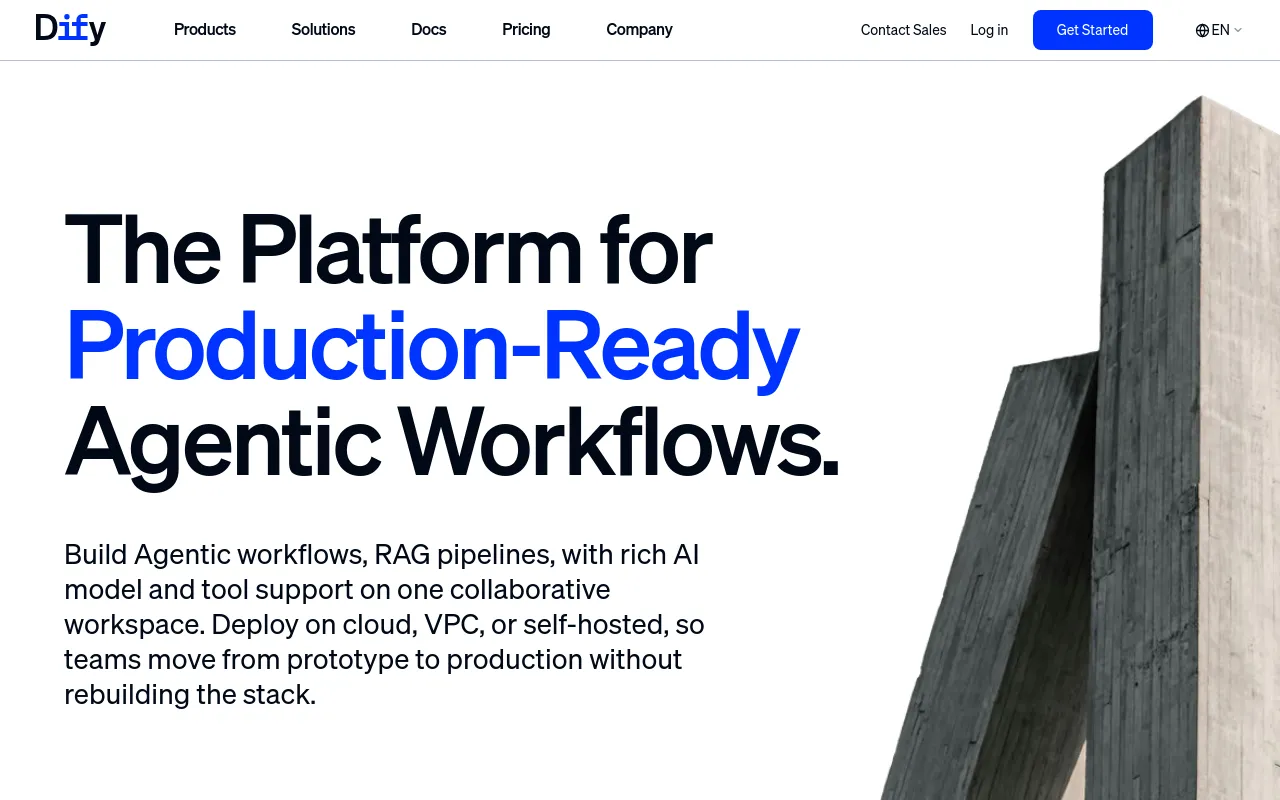
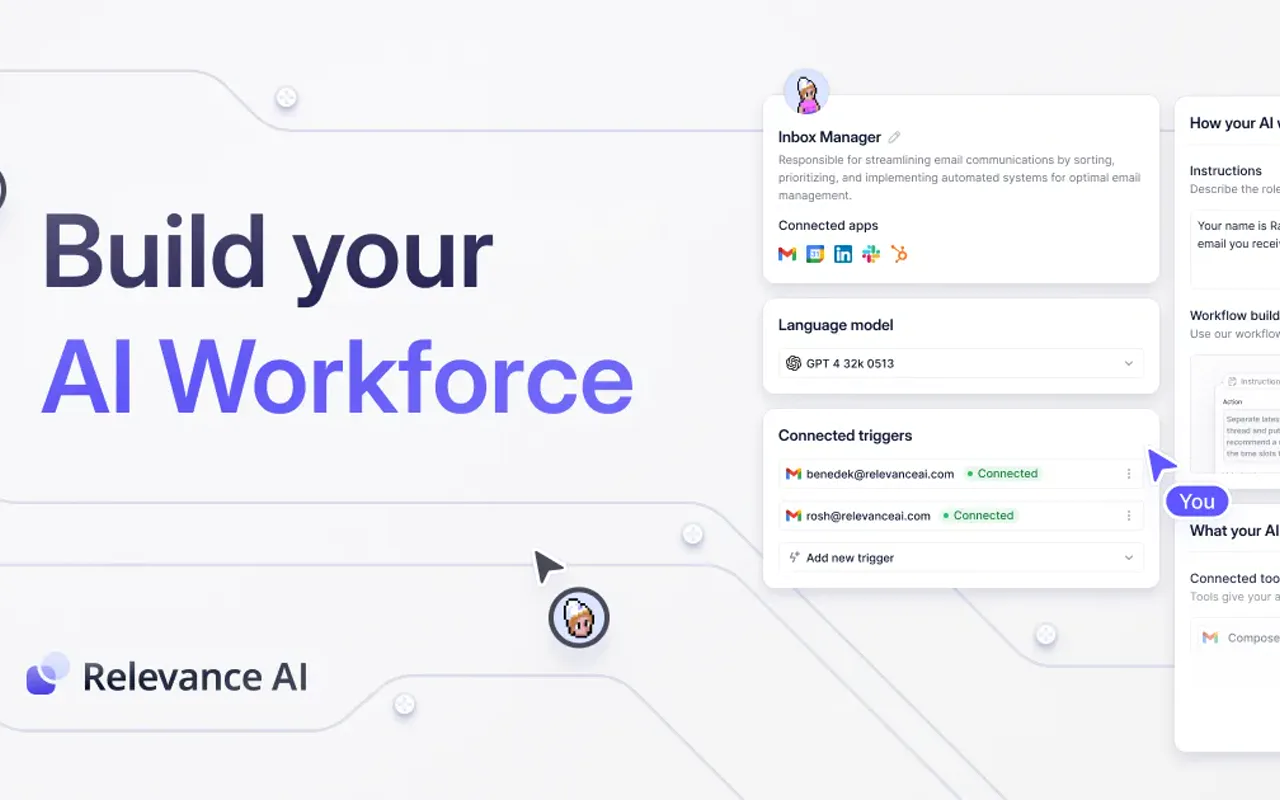
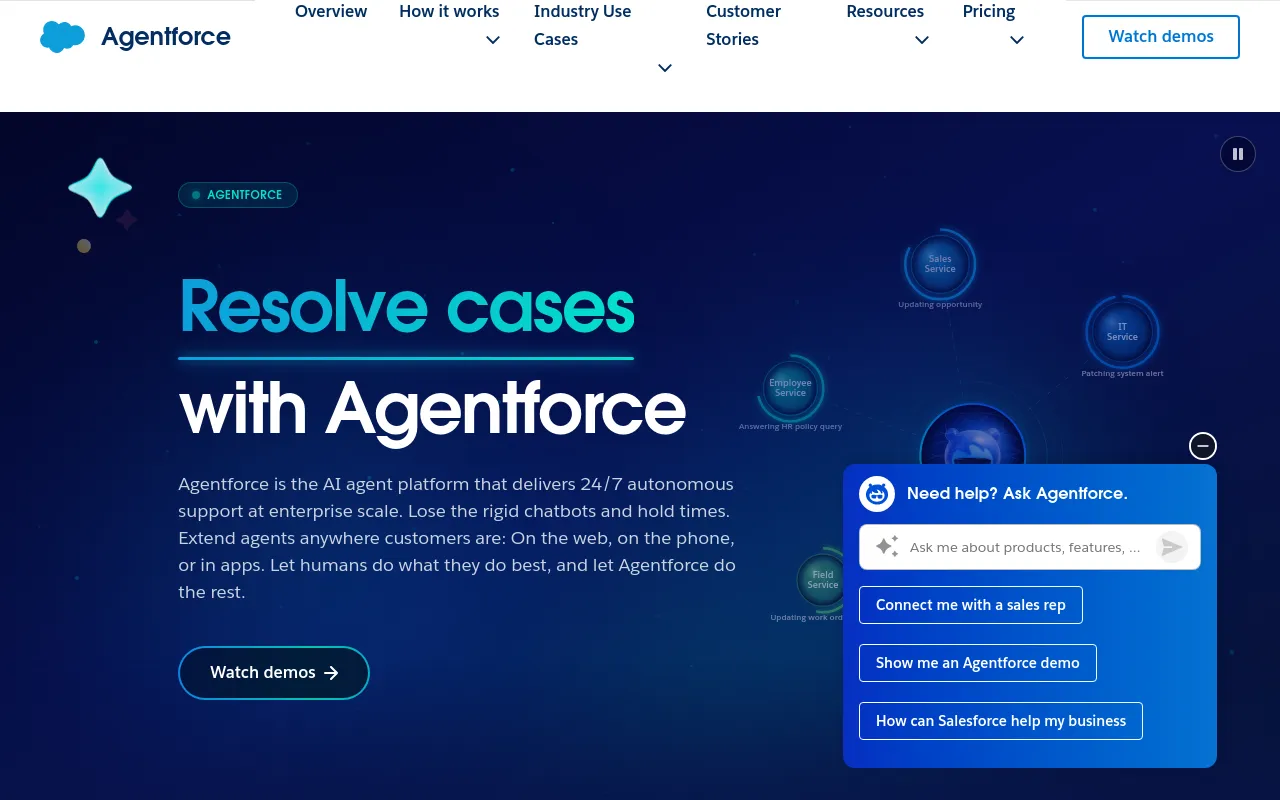
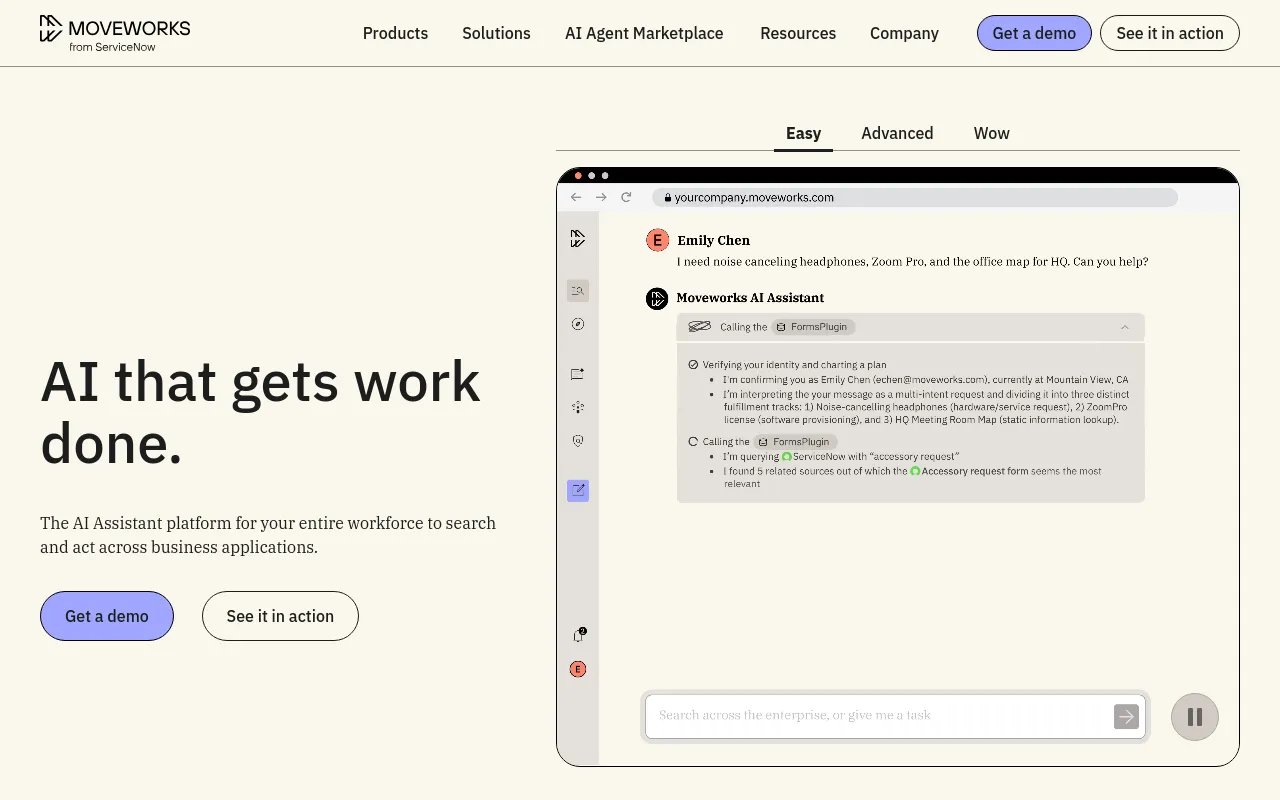
| Platform | A visual or plain-language builder that runs the agent for you | n8n, Dify (open-source, self-hostable); Lindy, Relevance AI, Salesforce Agentforce (closed, cloud-only); Sierra, Moveworks (closed, enterprise-only) | Free self-hosted to roughly $50–$700/mo for cloud tiers on the four self-serve platforms, or a free tier plus metered credits on Agentforce; Sierra and Moveworks break the pattern entirely with no public price | Shared: you configure what the agent does; the platform owns how it executes |
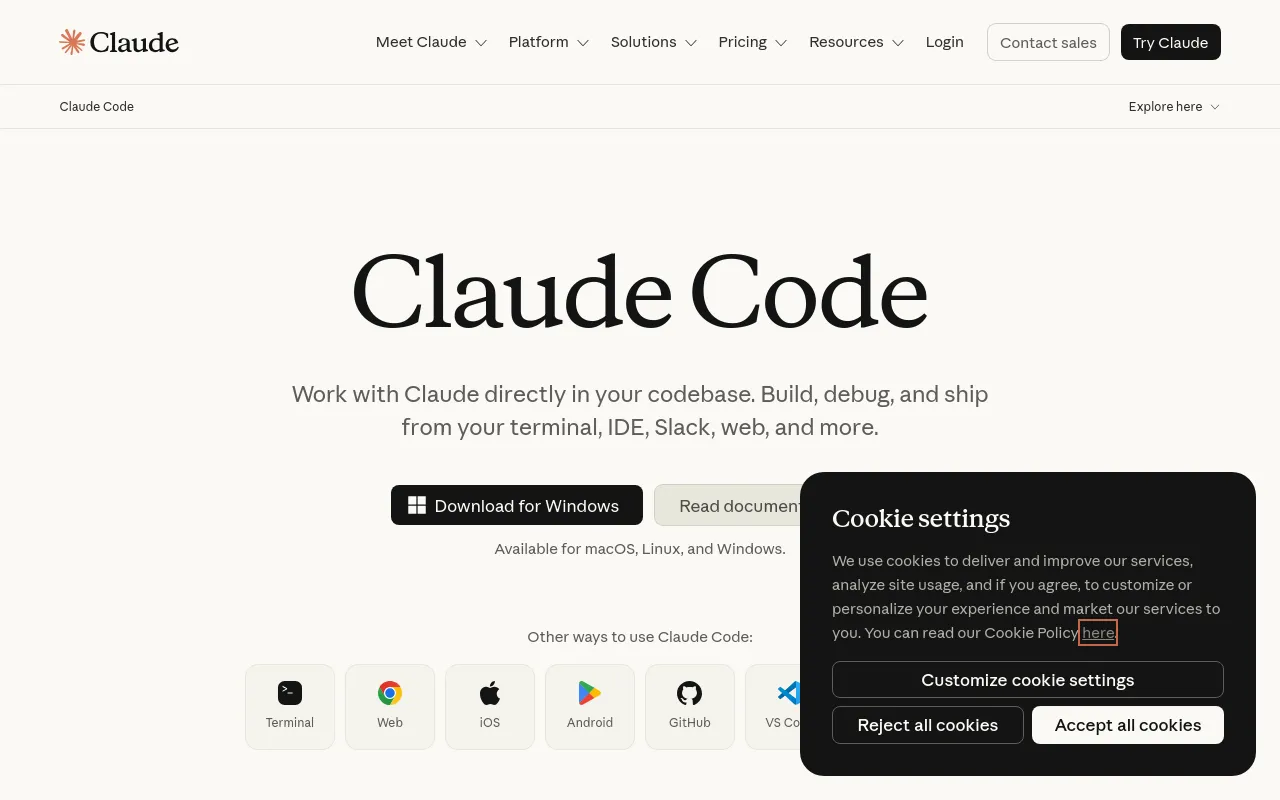
| Ready-made agent | A finished product, scoped to one job, that you sign up for and use | Cursor, Claude Code (coding); Intercom Fin, Decagon (support); Vapi (voice); Artisan (sales); Perplexity (research) | From free/BYOK (Cline) or $17/mo (Claude Code) to fully custom, undisclosed enterprise contracts (Decagon, Sierra, Ada) | The vendor: the agent's reasoning, tools and guardrails ship already decided; you configure settings, not behavior |
The decision: what are you actually deciding first?
Every tool named above carries its own full researched verdict, and this guide isn't trying to re-rank any of them. It's answering the question that has to be settled before any of those rankings are useful:
- You need deep, non-negotiable control over exactly how the agent reasons, what it remembers, and which model runs it, and you have engineers who will own that code for years → a framework. Our own pricing census found every framework in the index free or freemium at the core. The real cost isn't licensing, it's the engineering time to build and maintain what a platform or a ready-made agent would have handed you finished. See our framework comparison guide for which of the nine fits your specific job (RAG, multi-agent orchestration, stateful memory, TypeScript-native, migrating off AutoGen, and so on).
- You want to build an agent without owning infrastructure or writing much code, but the "what should this agent actually do" logic is still yours to design → a platform. This is the tier most buyers underestimate the range of: it spans from a free, self-hosted, open-source canvas (n8n, Dify) to a closed SaaS builder with no self-host option at any price (Lindy, Relevance AI, Salesforce Agentforce) to a single-purpose, sales-only enterprise engagement (Sierra, Moveworks) that isn't really self-serve at all. See our platform comparison guide for the full seven-way breakdown.
- You already know exactly which job needs doing (write code, resolve support tickets, book sales calls, answer research questions, handle a phone call), and you'd rather buy a finished product built for that one job than assemble one yourself → a ready-made agent. This is by far the biggest tier in our index (five categories, 41 of our 55 listings), and it's also the least uniform: see the coding-agents breakdown below for why "ready-made" still isn't one shape.
Platforms are the blurriest tier: read what you're actually signing up for
"Agent platform" is the label most likely to mislead a buyer, because it covers three structurally different deals. n8n and Dify are open-source and self-hostable: you can run them on your own infrastructure for free and never touch the vendor's cloud at all, the same "you own the deployment" property a framework has, just with a visual builder instead of a code editor. Lindy, Relevance AI and Salesforce Agentforce are the opposite: closed-source, cloud-only SaaS with zero self-host option at any tier. You are renting the platform, full stop, much closer in practice to a ready-made agent than to n8n or Dify despite sharing the "platform" label (Agentforce publishes a real, if metered, rate card starting from a free Foundations tier, but it assumes an existing Salesforce CRM investment underneath it). Sierra and Moveworks break the category a third way: Sierra is dual-listed as both a platform and, functionally, a ready-made support agent (see our support agent guide); Moveworks reads much the same way (a finished, employee-facing product configured, not built), even though it's single-categorized here. Neither publishes a price list at all; there is no tier at any price you simply sign up for, open or closed, you enter a sales process regardless. Before comparing any two platforms on features, check which of these three deals you're actually being offered: it decides your exit costs (can you migrate off it?) far more than any feature table does.
"Ready-made" isn't one tier either: coding agents show the full range
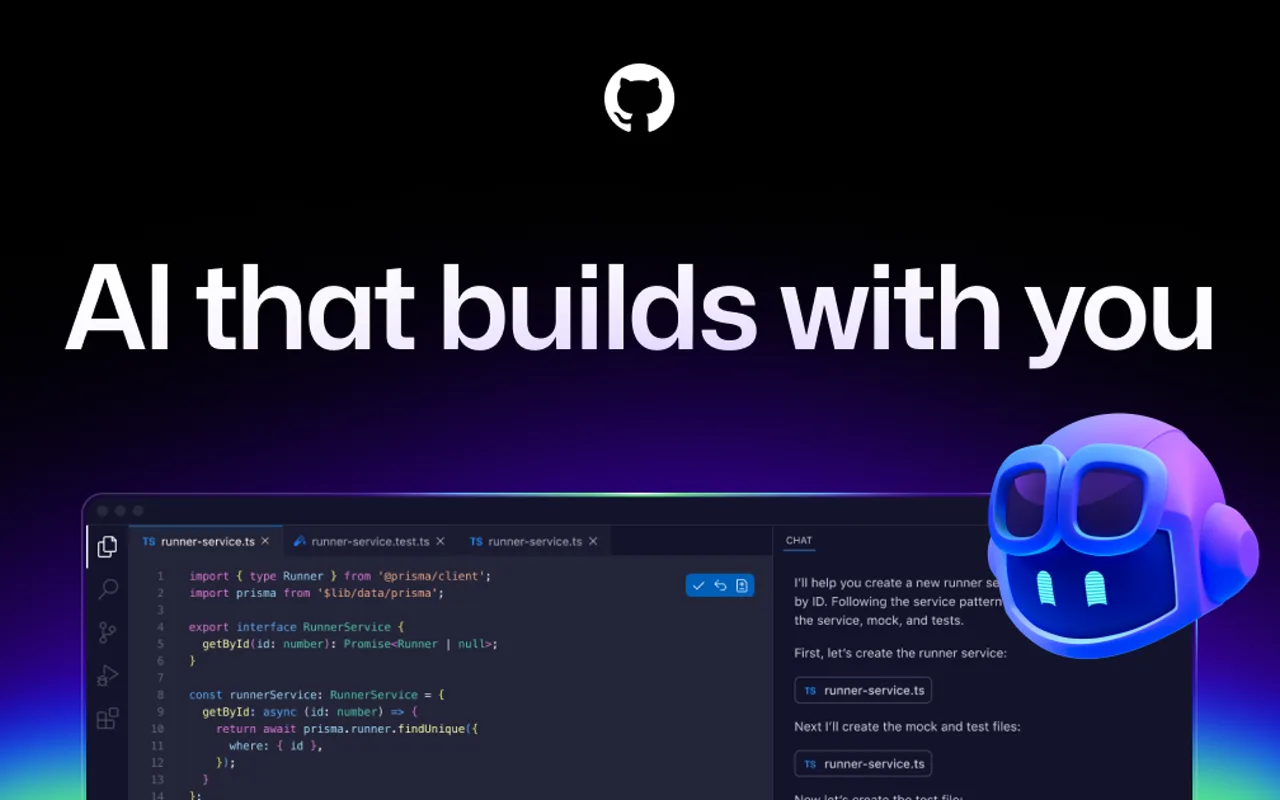
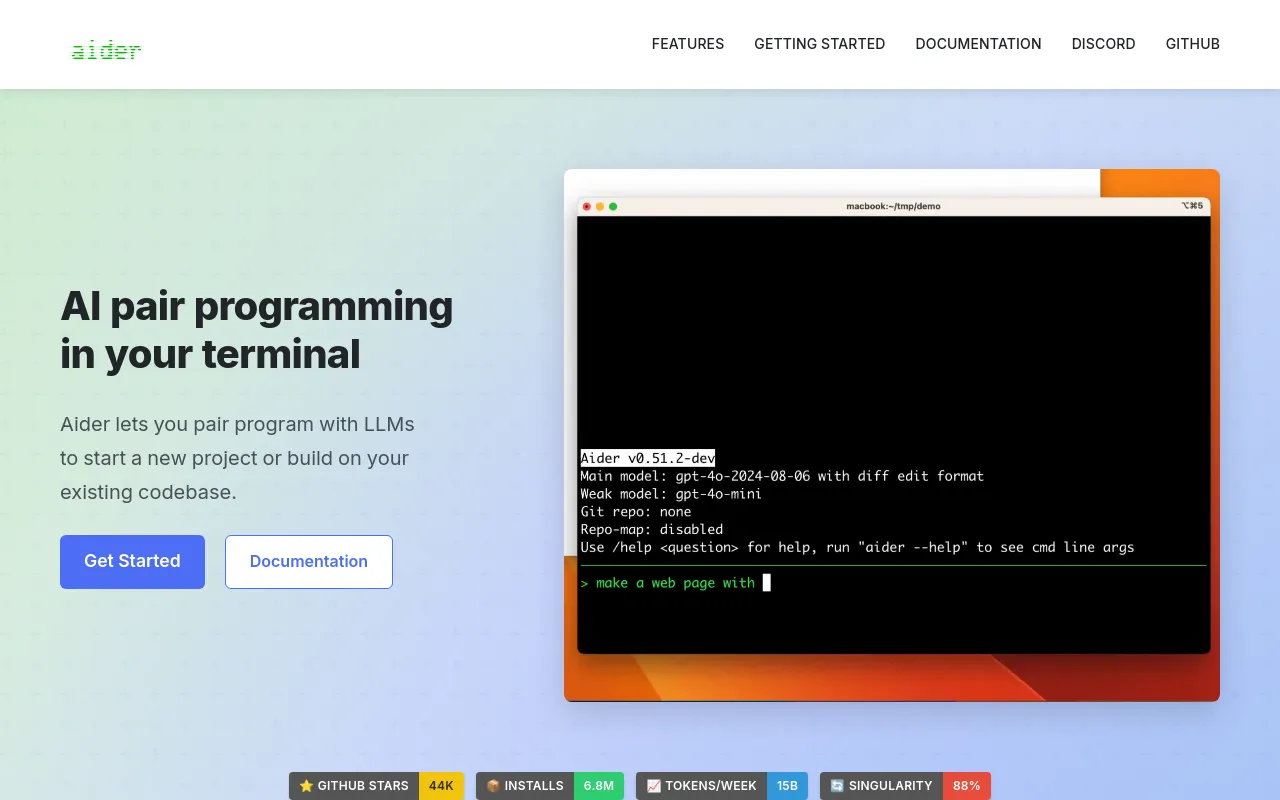
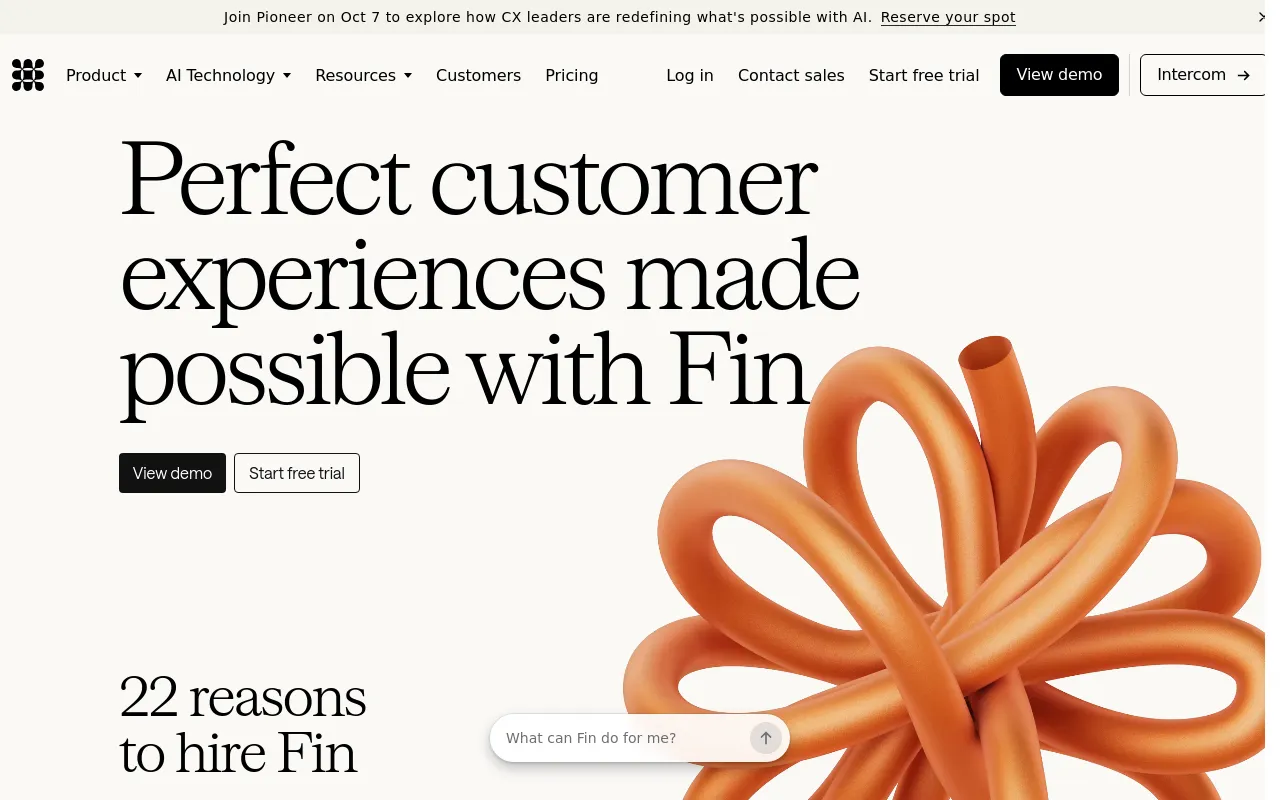
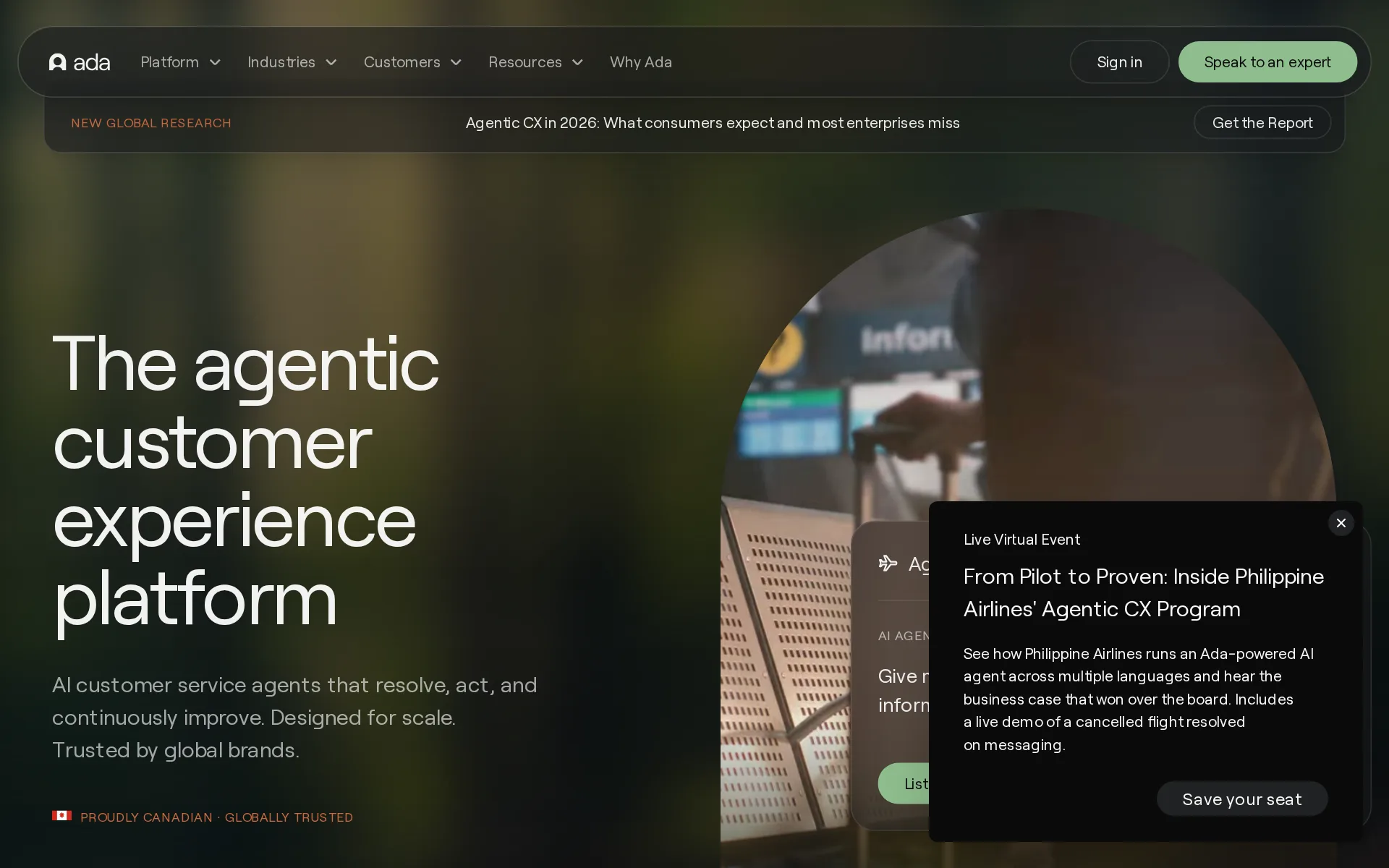
Buyers often treat the ready-made tier as uniform ("just pick the best one"), but our biggest category, coding agents, is the clearest proof it isn't. Eighteen listings split into three genuinely different products: in-editor assistants (Cursor, GitHub Copilot, Cline) where you keep the wheel and the agent proposes edits you review as you work; terminal harnesses (Claude Code, OpenAI Codex CLI, Aider) that are scriptable into CI and split further into vendor-model agents versus bring-your-own-model tools; and autonomous delegate-and-deploy agents (Devin, Replit Agent) that run largely unattended and hand back finished work for review. That's a framework-like spread of control (Cline is free, open-source and BYOK, so you own the model choice entirely) sitting inside what looks, from the outside, like a single "buy it" tier. The other four ready-made categories show a smaller version of the same pattern: support agents split into self-serve software (Intercom Fin, a public price list and a 14-day trial), sales-led enterprise software (Decagon, Sierra, Ada, no public pricing at all) and a fully-managed outsourced service (Crescendo) you don't configure at all: three different buying relationships wearing one category label. Before you shortlist within any ready-made category, check our per-category guide (coding, support, voice, sales, research) for its own internal split; "best X" is rarely the right question one level down either.
Cost and control move together, not independently
The instinct to treat "cheaper" as strictly better breaks down once you look at where the money actually goes at each tier. A framework's core is free in every one of our 8 listings, but that's the price of the code, not the price of the agent. The engineering time to build and operate what a platform or ready-made agent ships finished is the real cost, and it's invisible on a pricing page. A platform's meter (n8n's €20–€667/mo tiers, Lindy's credit-metered $49.99–$199.99/mo) buys you out of owning infrastructure, but the four self-serve platforms in our index all still require you to design what the agent does: you're paying for compute and hosting, not finished judgment. A ready-made agent's price spans the widest range of any tier precisely because "finished judgment" is worth wildly different amounts depending on the job: Cline is free because you're buying almost nothing but a UI wrapper around a model you already pay for elsewhere, while Decagon, Sierra and Ada publish no price at all because what you're actually buying (a support agent someone else has already tuned, tested and is contractually accountable for) is priced like the outsourced labor it's replacing, not like software. The honest rule: the closer a tool's price is to "free," the more of the actual agent-building work is still yours to do, at any tier.
FAQ
Can I mix tiers: a framework for one part of the system, a ready-made agent for another?
Yes, and it's normal in production. A common real pattern from our own research: a team builds a bespoke internal workflow on LangChain or CrewAI, while buying Claude Code or Cursor off the shelf for their own engineers' day-to-day coding, and layering a ready-made support agent like Intercom Fin on top of their helpdesk: three different tiers, three different jobs, chosen independently rather than as one "which AI agent vendor" decision.
Is a ready-made agent always more expensive than building it myself on a framework?
No. It's the opposite as often as not. Cline and Aider are both free, open-source, ready-made coding agents that cost less up front than the engineering time to wire an equivalent workflow on LangChain from scratch. The real crossover isn't tier, it's whether your requirement is standard (a ready-made agent built for exactly your job is usually cheaper and faster) or genuinely bespoke (nothing off-the-shelf fits, so the framework's engineering cost buys something no ready-made agent offers at any price).
What if the job I need done doesn't fit any of the five ready-made categories in your index?
That's the actual signal to look at a platform instead of continuing to search for a ready-made agent that doesn't exist. n8n, Dify, Lindy and Relevance AI are all general-purpose, built for exactly this case, where the job is real but too specific or too internal for any vendor to have shipped a finished product for it.
Which tier is easiest to switch away from later?
Open-source options at any tier (n8n and Dify among platforms, Cline and Aider among ready-made coding agents, any of the 8 frameworks) carry the lowest switching cost, since you can self-host or fork rather than migrate a live account. Closed, cloud-only products at any tier (Lindy, Relevance AI, Salesforce Agentforce, Moveworks; Decagon, Sierra, Ada) carry the highest, because the configuration and history live entirely in the vendor's system.
Does a bigger budget mean I should default to the ready-made tier?
Not automatically. Budget answers "can I afford it," not "should I own it." A well-funded team with a genuinely bespoke requirement (data governance constraints, a workflow no vendor has built for) is still better served by a framework or an open-source platform; a resource-constrained team with a standard job (coding help, support deflection) is usually better served by the cheapest ready-made agent that fits, because the alternative is spending scarce engineering time reinventing something already sold off the shelf.
Every tool named above carries its own full researched listing: pricing tiers, sourced pros and cons, and a committed verdict on who it's for and who it isn't. Go deeper with the framework, platform, coding, support, voice, sales or research comparison guide, or browse the full index by category.
 Captured · theagentsindex.com
 Captured · theagentsindex.com
 Captured · theagentsindex.com
 Captured · theagentsindex.com
 Captured · theagentsindex.com
 Captured · theagentsindex.com
 Captured · theagentsindex.com
 Captured · theagentsindex.com
 Captured · theagentsindex.com
 Captured · theagentsindex.com
 Captured · theagentsindex.com
 Captured · theagentsindex.com
 Captured · theagentsindex.com
 Captured · theagentsindex.com
 Captured · theagentsindex.com
 Captured · theagentsindex.com
 Captured · theagentsindex.com
 Captured · theagentsindex.com
 Captured · theagentsindex.com
 Captured · theagentsindex.com
 Captured · theagentsindex.com
 Captured · theagentsindex.com
 Captured · theagentsindex.com
 Captured · theagentsindex.com
 Captured · theagentsindex.com
 Captured · theagentsindex.com
Frequently asked questions
Can I mix tiers: a framework for one part of the system, a ready-made agent for another?
Is a ready-made agent always more expensive than building it myself on a framework?
What if the job I need done doesn't fit any of the five ready-made categories in your index?
Which tier is easiest to switch away from later?
Does a bigger budget mean I should default to the ready-made tier?
Advertise here
Reach buyers mid-decision. Reach builders choosing their next agent. Promote your brand with a display placement or bring your listing into focus with Featured.
Explore owner options →Advertise on this page →The digestFree
Which agents actually ship.
What we re-checked, what got added, and one number from the index. Tuesdays.
One-click unsubscribe