AI Agent Pricing in 2026: Every Tool in Our Index
The pricing model, free tier and API access for every AI agent we index. Freemium leads, but usage-based billing is nowhere near an edge case.
On this page
Scope · 3 topics
- Pricing
- Market data
- Directory census
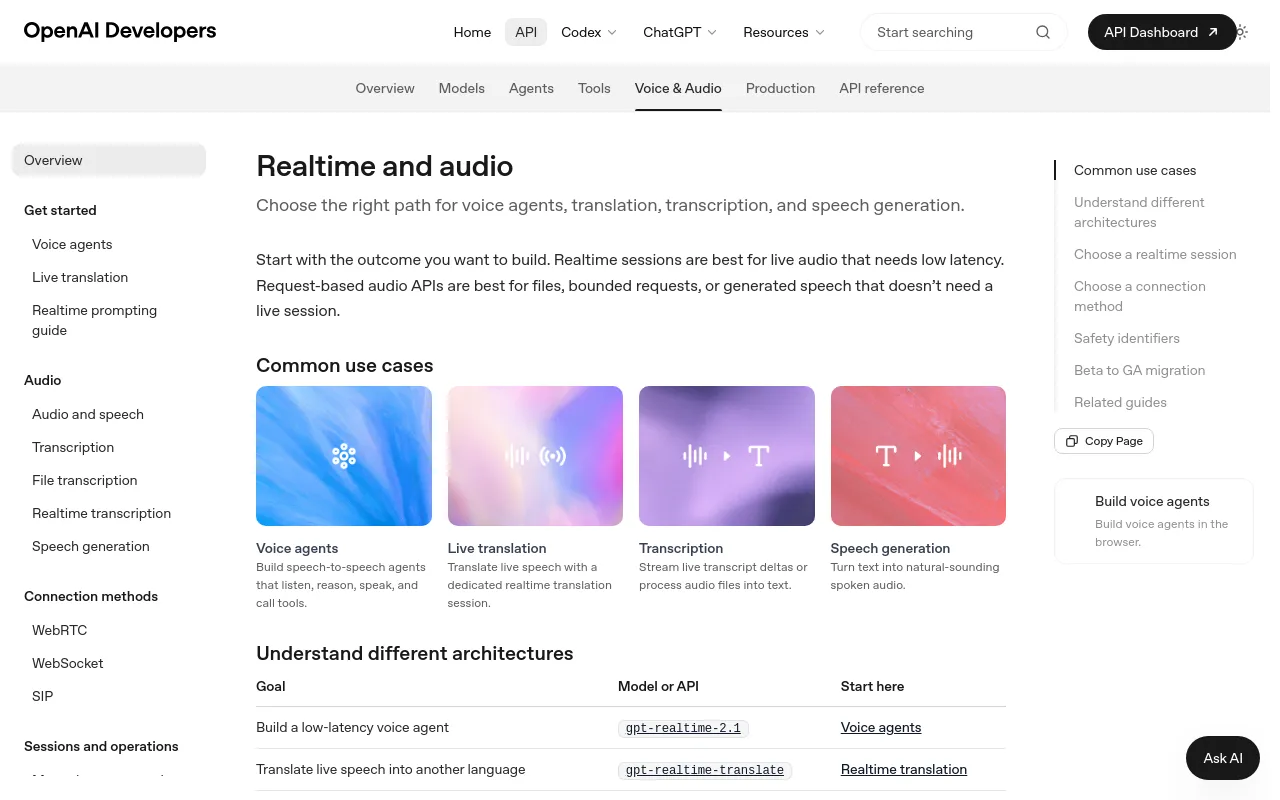
We pulled the researched pricing model, free-tier status, API availability, open-source status and deployment for every one of the 92 Published listings in our own index across coding, framework, platform, voice, research, sales-and-marketing and support agents: the same structured facts each listing page carries, gathered in one place. Snapshot date: 27 August 2026. No single pricing model dominates the category the way per-seat SaaS once did: freemium is the largest single group at 46% (42 of 92), but usage-based billing (26%, 24 tools), flat subscriptions (17%, 16 tools) and permanently free tools (11%, 10 tools) are all real, active patterns. Which one a given tool uses tracks its category far more than its size or funding.
All 92 rows appear in the table below, and every aggregate figure in this report is recomputed from that same live set in a single pass, so no numerator is ever left standing against a denominator it was not counted with. Some fields are genuinely unresearched rather than assumed negative; see the Openness section below for what that affects.
Key findings
- Of the 92 AI agents in our index, 42 (46%) use freemium pricing: the single largest group.
- 24 of 92 (26%) bill by usage or outcome rather than a flat fee. That is the second-largest group, and a genuinely common model, not an edge case.
- 16 of 92 (17%) are a flat subscription with no usage-based component, and 10 of 92 (11%) are free with no paid tier at all. Those are the smallest groups.
- 57 of 92 tools (62%) offer some form of free access before paying: a permanently free tool, a freemium tier, or a usage-based tier with a genuine, ongoing free starting point.
- 47 of 90 tools (52%) were model-agnostic when we classified them on 19 August 2026. You bring your own LLM API key, or an admin can select and switch between multiple hosted providers, rather than being locked to one vendor's model. That one figure is a dated reading rather than a live count: our corpus records each tool's model stack as prose, and the structured field that will make it live was only added on 20 August 2026, so only 1 of 92 carry a value so far. The figure goes live here once all 92 do.
- 69 of 92 tools (75%) are confirmed to expose a public API, and 10 are confirmed not to. The remaining 13 carry no recorded value for this attribute, so they are counted separately rather than folded into "No."
How the market splits: no single model wins
| Pricing model | Tools | Share of 92 |
|---|---|---|
| Freemium | 42 | 46% |
| Usage-based | 24 | 26% |
| Subscription | 16 | 17% |
| Free | 10 | 11% |
Free access is common, but a real minority pays from the first click
57 of 92 (62%) let you use something without paying: a permanently free tool, a freemium tier, or an ongoing free allowance under usage-based billing. The other 35 (38%) want a card, a contract or a sales call before you see the product work on your own data.
Openness: APIs, open source, and bring-your-own-model
Three separate questions get conflated under "openness," and our data keeps them apart.
Does it expose a public API? 69 of 92 (75%) are confirmed "Yes" and 10 are confirmed "No." The remaining 13 have no recorded value: unresearched, not negative.
Is it open source? 33 of the 91 tools with a recorded value (36%) ship their core agent code under an OSI-style license.
Can you bring your own model? 47 of 90 tools (52%) were model-agnostic when we classified them on 19 August 2026. You bring your own LLM API key, or an admin can select and switch between multiple hosted providers, rather than being locked to one vendor's model. That one figure is a dated reading rather than a live count: our corpus records each tool's model stack as prose, and the structured field that will make it live was only added on 20 August 2026, so only 1 of 92 carry a value so far. The figure goes live here once all 92 do.
Deployment: 51 of 92 (55%) are cloud-only, 13 of 92 (14%) are self-host-only or local-machine-only, and 28 of 92 (30%) support a real hybrid. In total, 41 of 92 (45%) have some form of self-host path.
What you build predicts how you're priced
| Category | Members | Dominant pricing model |
|---|---|---|
| Coding agents | 25 | Freemium (15/25, 60%) |
| Agent platforms | 14 | Freemium (8/14, 57%) |
| Agent frameworks | 14 | Freemium (10/14, 71%) |
| Voice agents | 12 | Usage-based (9/12, 75%) |
| Research & data agents | 11 | Usage-based (5/11, 45%) |
| Support agents | 8 | Usage-based (8/8, 100%) |
| Sales & marketing agents | 8 | Subscription (5/8, 63%) |
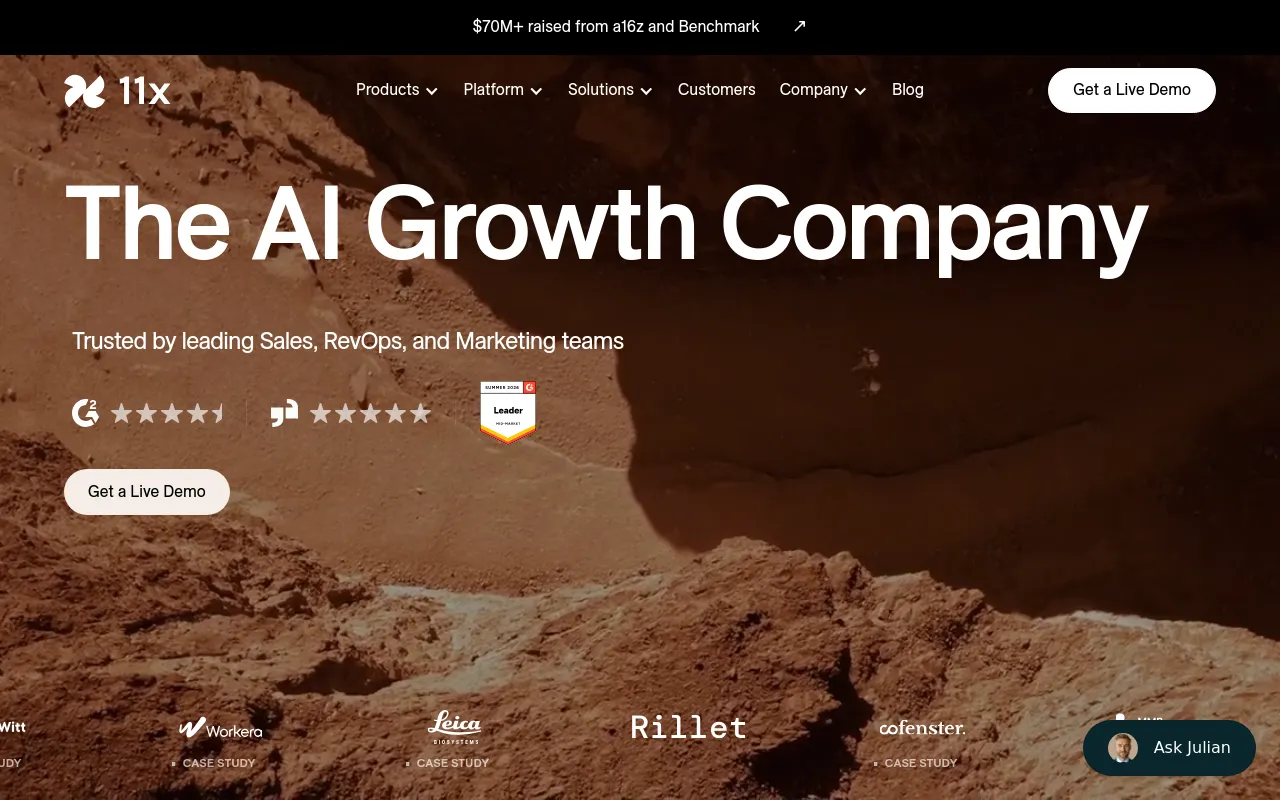
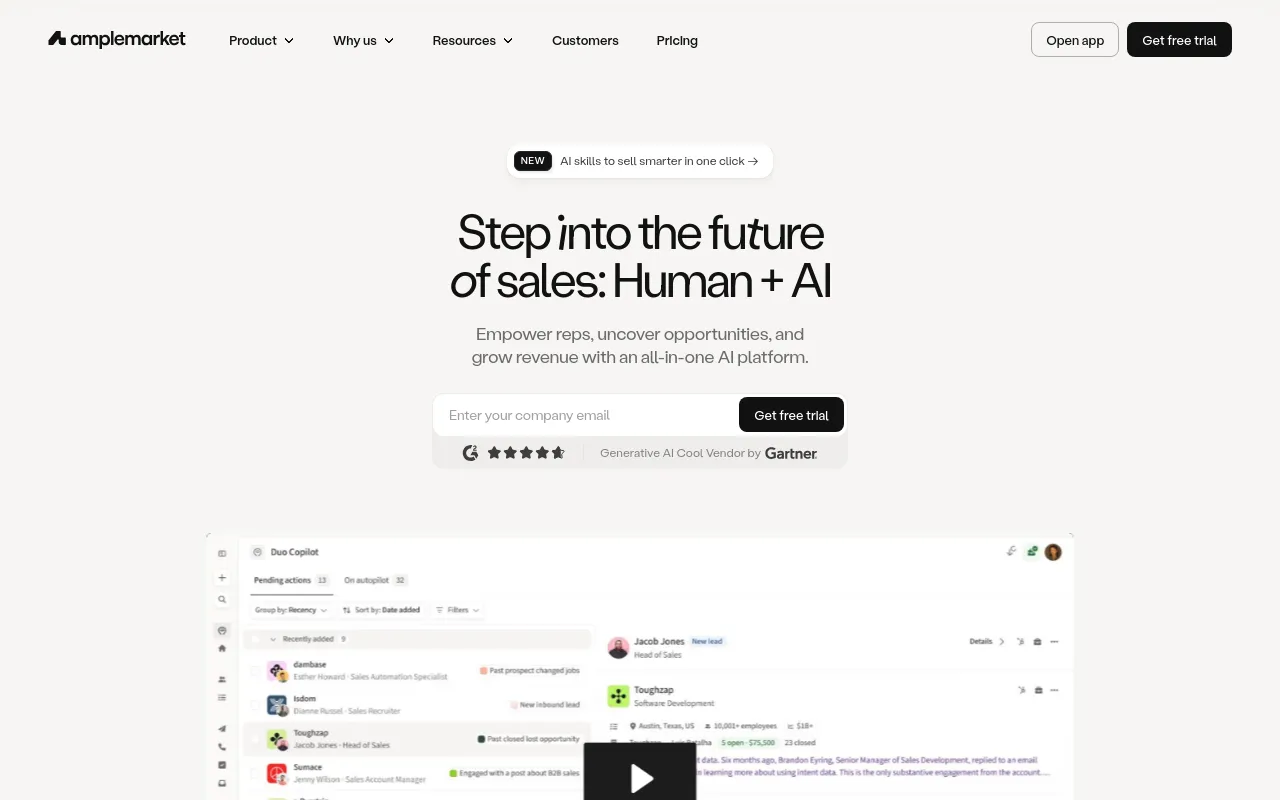
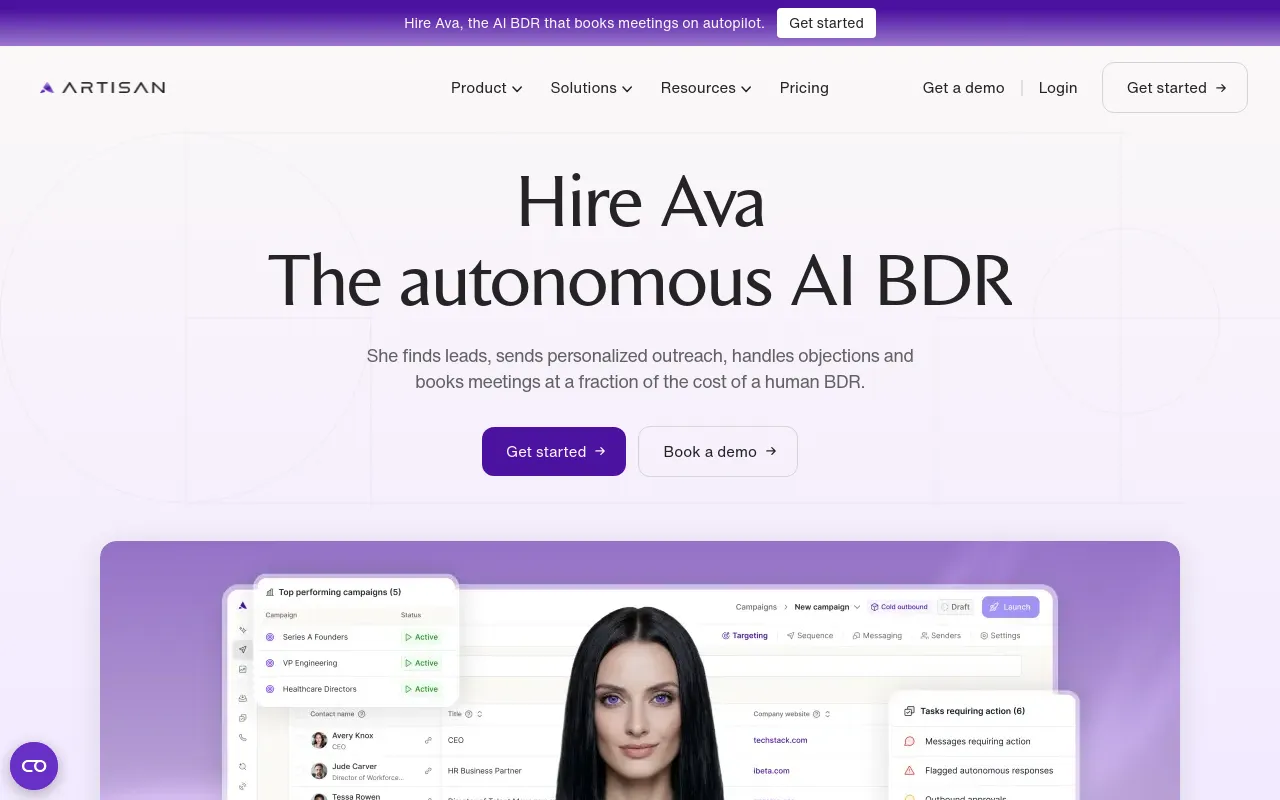
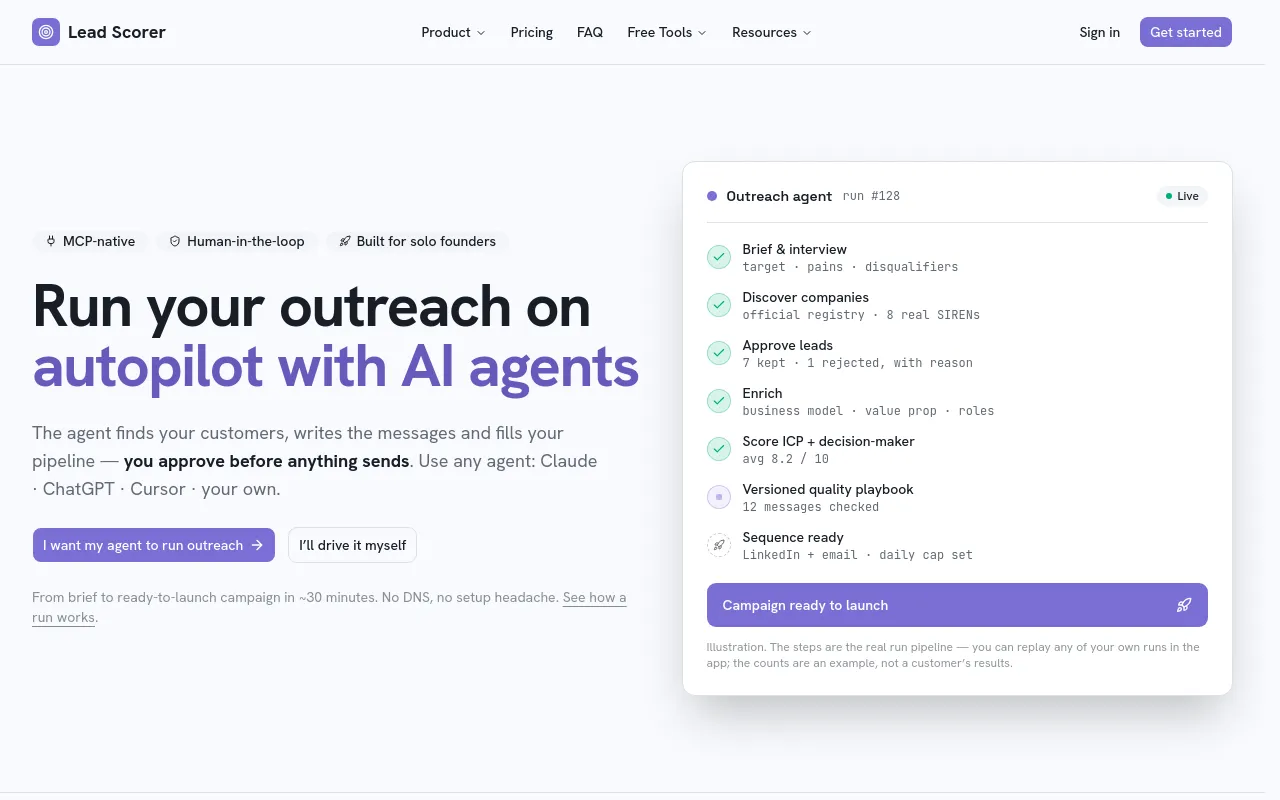
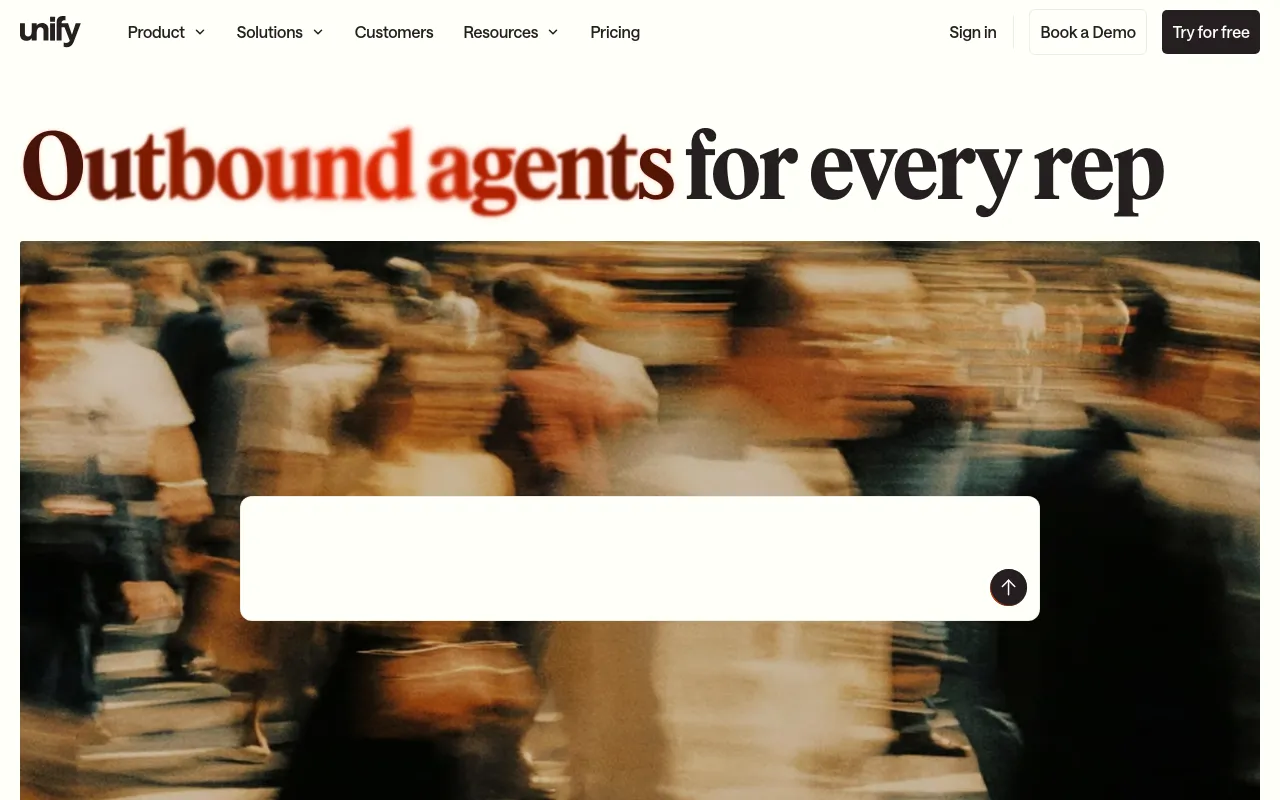
Support agents are the single most consistent category on pricing model: every one of the 8 bills by usage or resolved outcome, not a flat seat fee. Voice agents follow the same logic at 75%: you pay per minute of a call, the same way you'd pay per resolution for a support ticket. Frameworks sit at the other end: 71% are freemium, because the cost that matters to a framework's buyer is the model API bill underneath it, not the SDK itself. Sales and marketing agents split the other way from voice and support: five of the eight (11x, Amplemarket, Artisan, Qualified and Warmly) are sales-led flat subscriptions rather than metered by call or resolution, because the buyer is provisioning a rep's worth of pipeline work rather than paying per contact touched. The freemium minority in the category is the self-serve set: Rox, Unify and Lead Scorer. Each ships a genuine $0 or €0 tier a solo operator can run without a sales call, with Lead Scorer's free CRM and MCP access sitting alongside a Pro tier that starts at €99/month once the autonomous SDR itself turns on.
The full dataset
Every row below is pulled directly from the same live, quality-gated listing data our individual tool pages render from, and nothing here is estimated. All 92 rows carry a structured datasheet, except where marked "Unknown": that means the attribute has no recorded value in our corpus yet, not that the answer is "No."
| Agent | Category | Pricing model | Free tier | Public API | Open source | Deployment |
|---|---|---|---|---|---|---|
| 11x | Sales/Mktg | Subscription | No | Yes | No | Cloud |
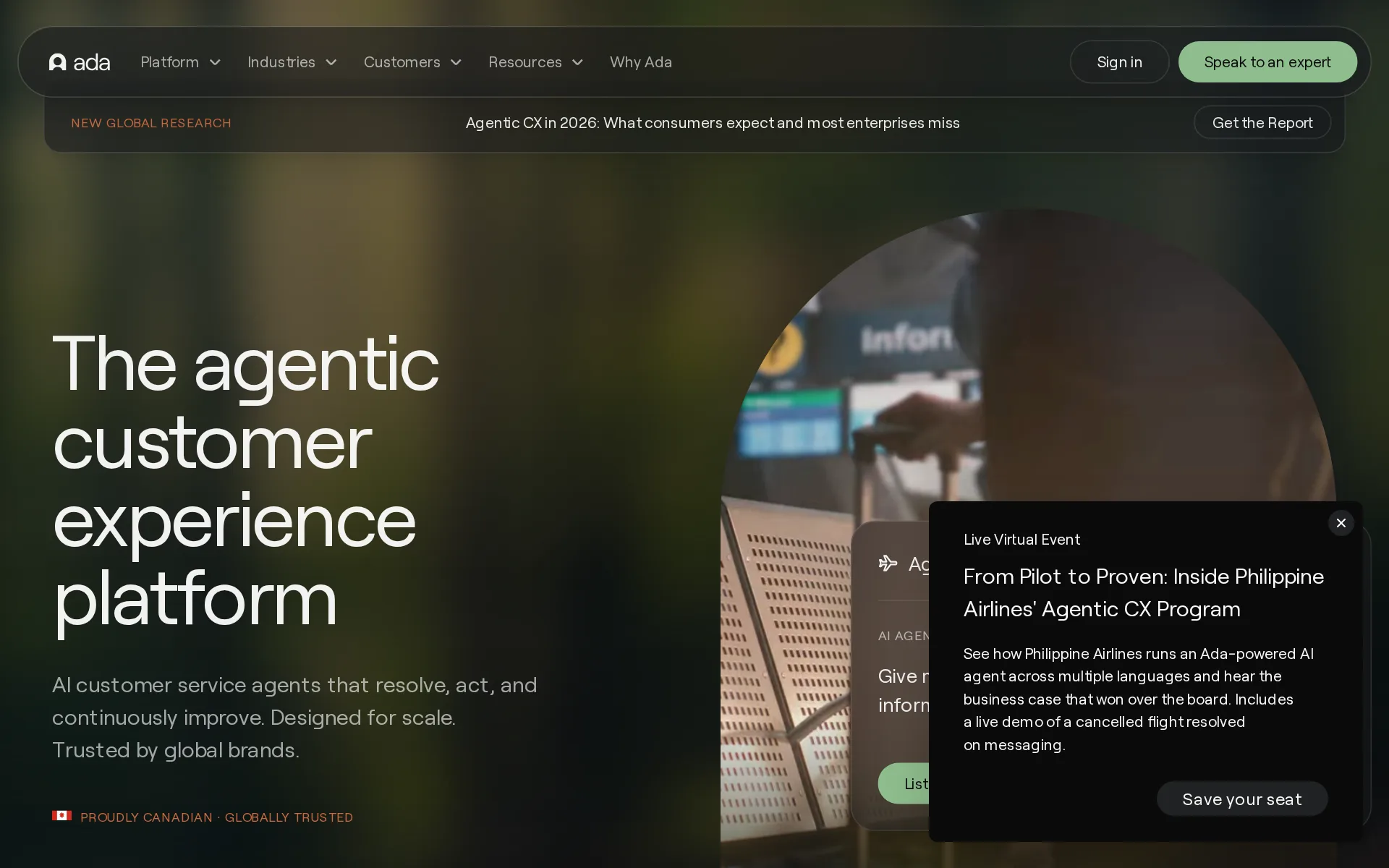
| Ada | Support | Usage-based | No | Yes | No | Cloud |
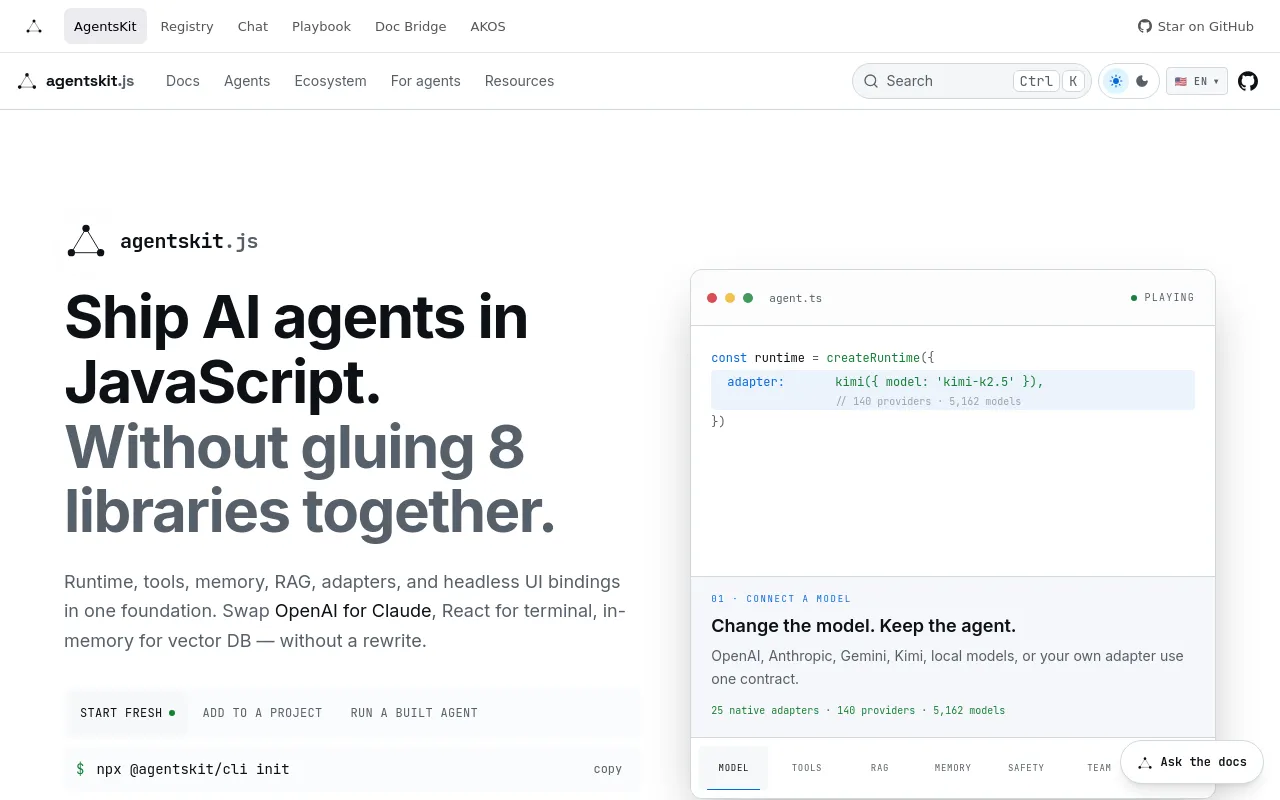
| AgentsKit | Frameworks | Free | Yes | Yes | Yes | Self-host |
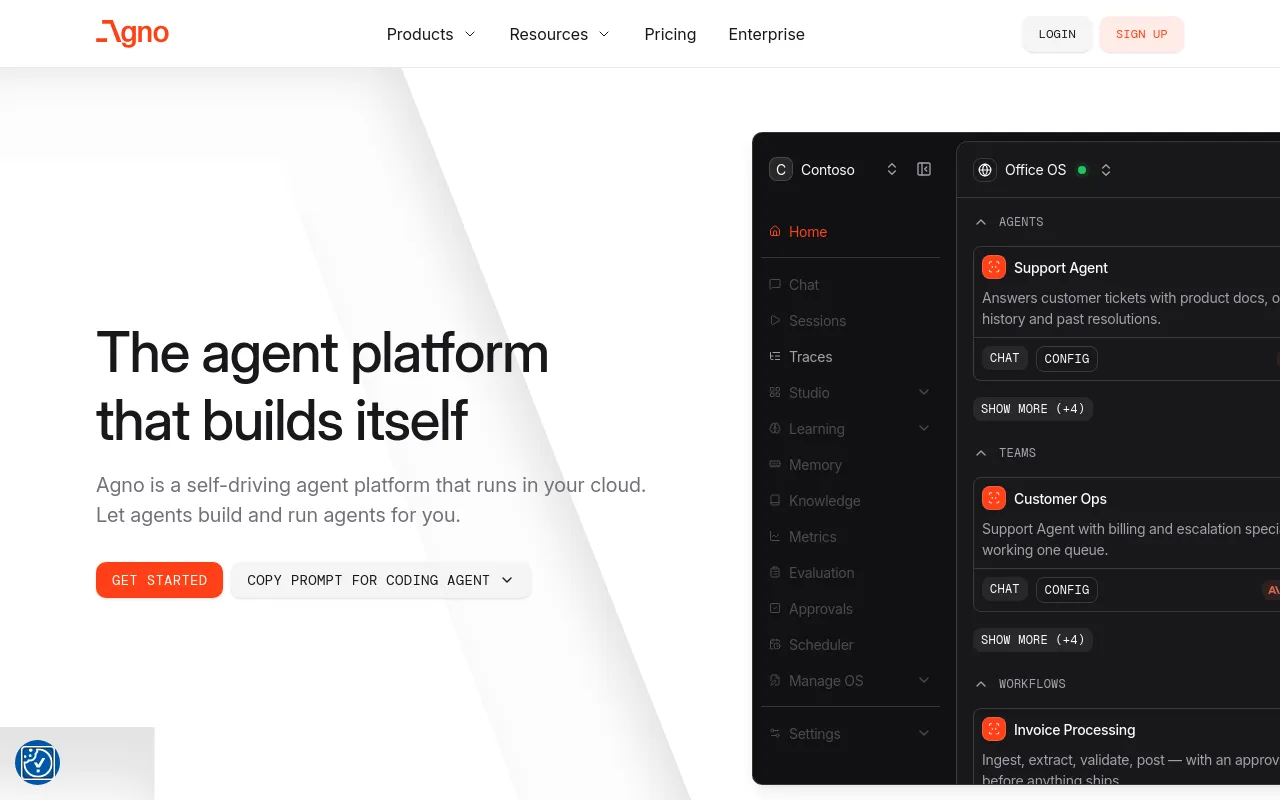
| Agno | Frameworks | Freemium | Yes | Yes | Yes | Self-host |
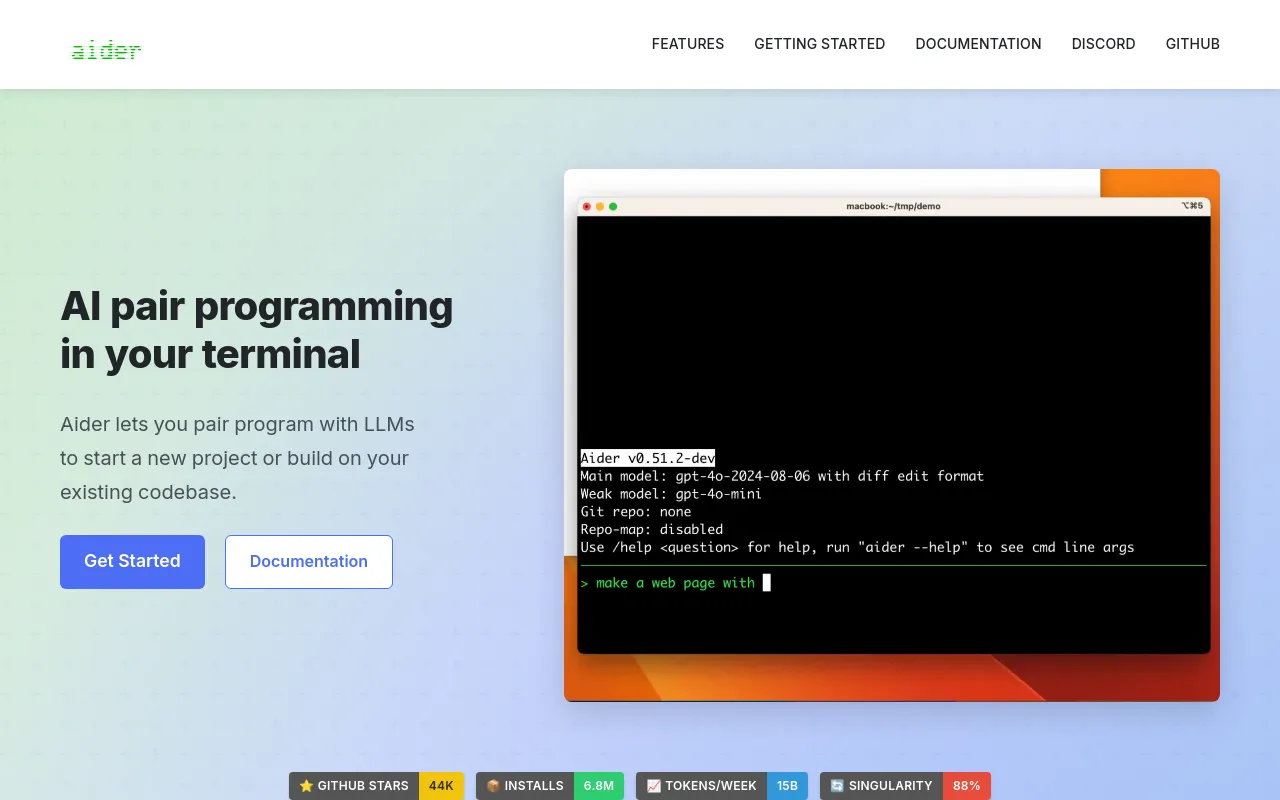
| Aider | Coding | Free | Yes | No | Yes | Both |
| Amplemarket | Sales/Mktg | Subscription | No | Yes | No | Cloud |
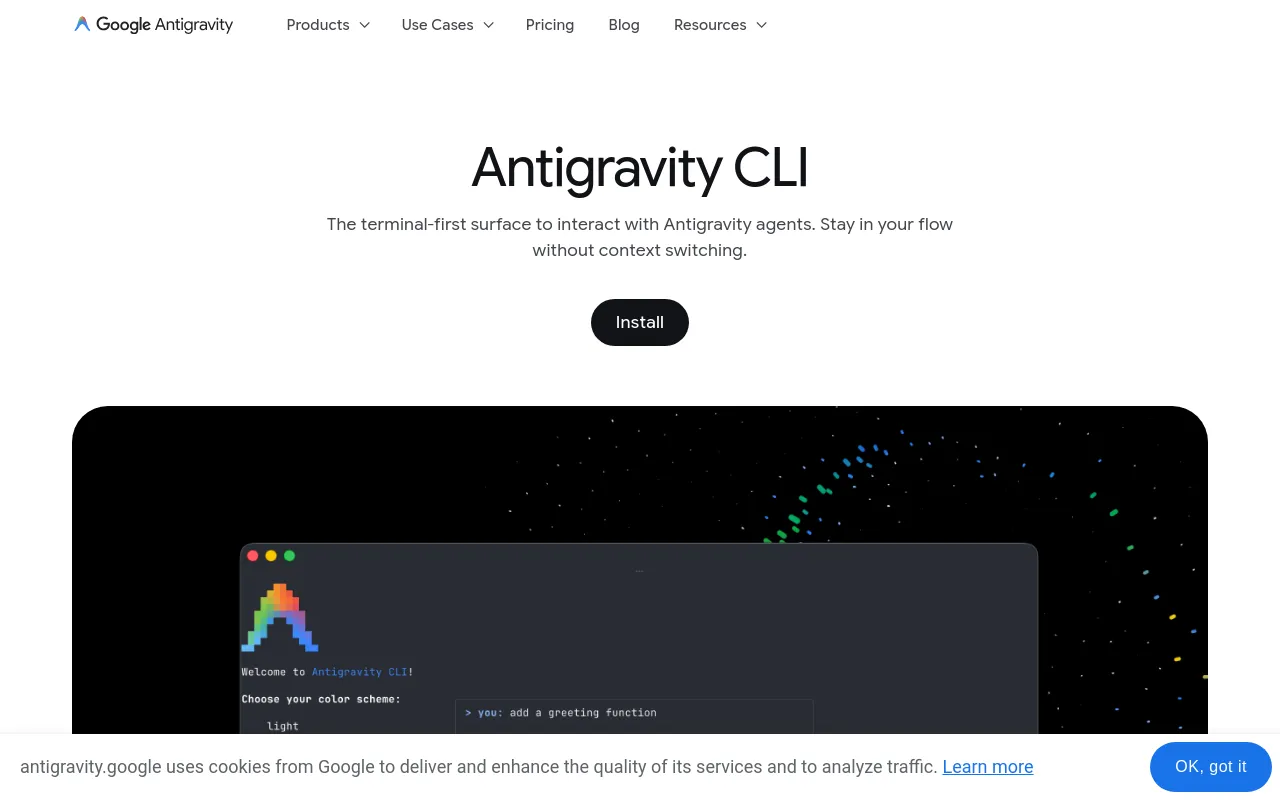
| Antigravity CLI | Coding | Freemium | Yes | Yes | No | Cloud |
| Artisan | Sales/Mktg | Subscription | No | Yes | No | Cloud |
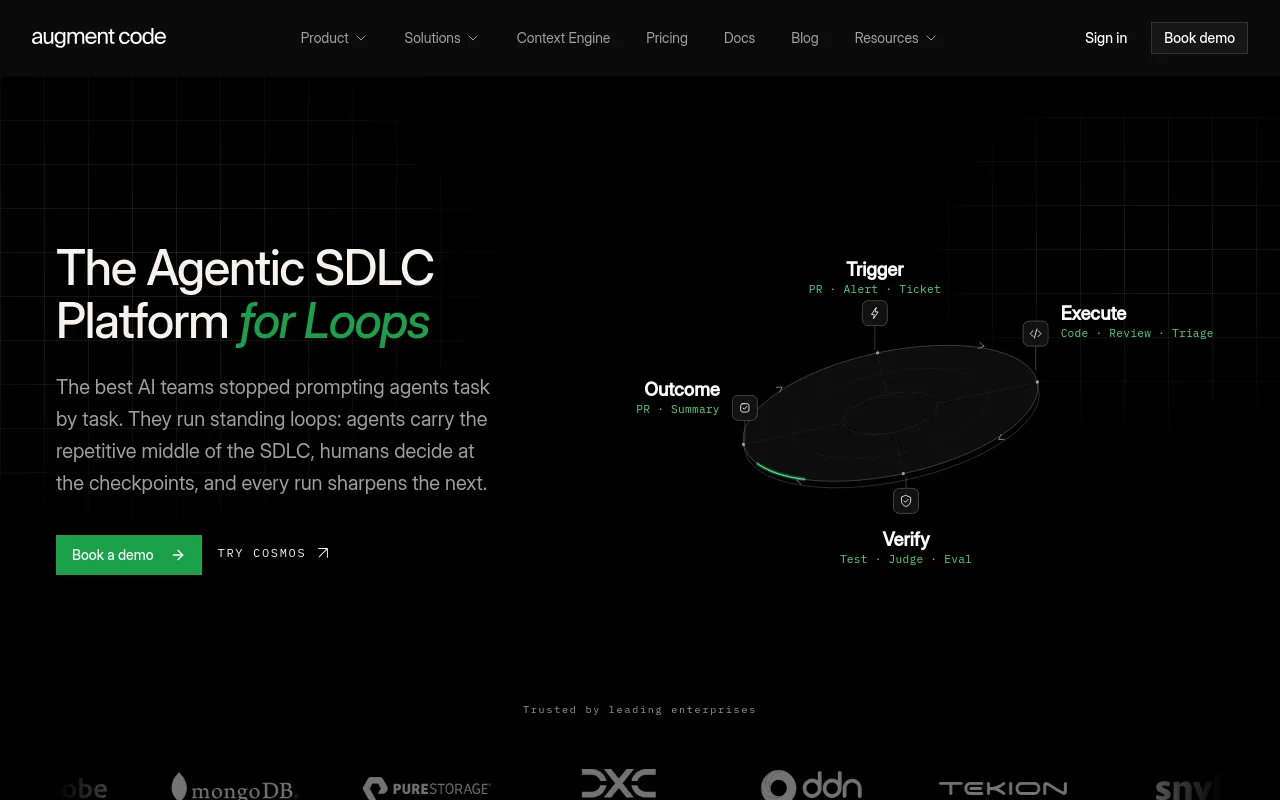
| Augment Code | Coding | Subscription | Yes | Yes | No | Both |
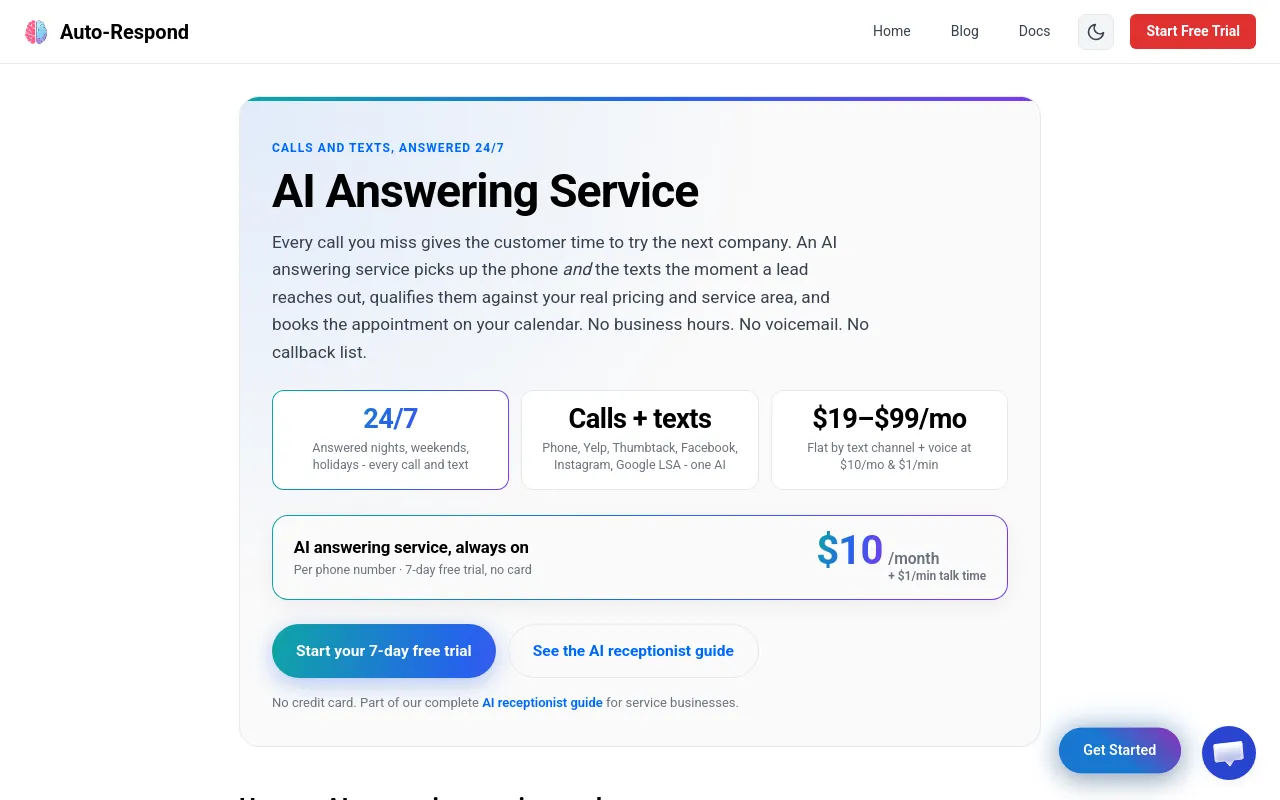
| Auto-Respond | Support | Usage-based | No | Yes | No | Cloud |
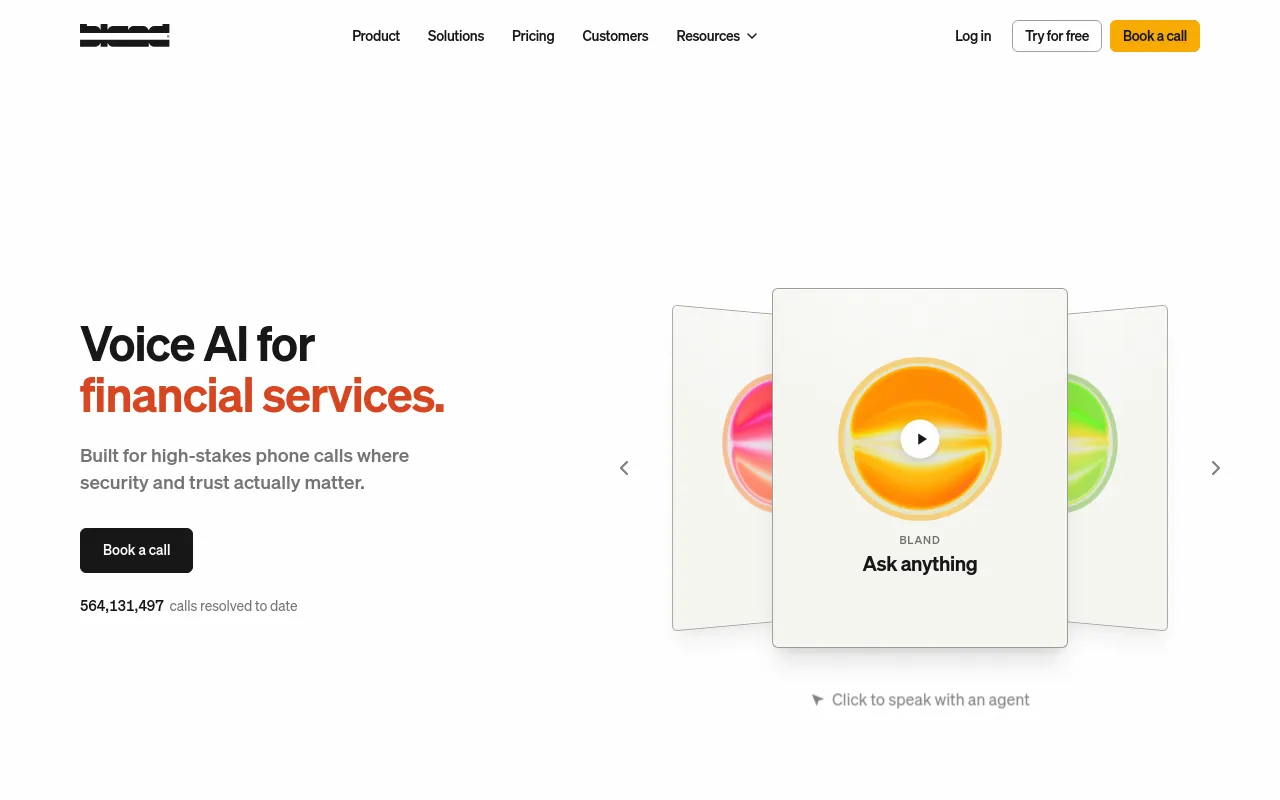
| Bland AI | Voice | Usage-based | No | Yes | No | Both |
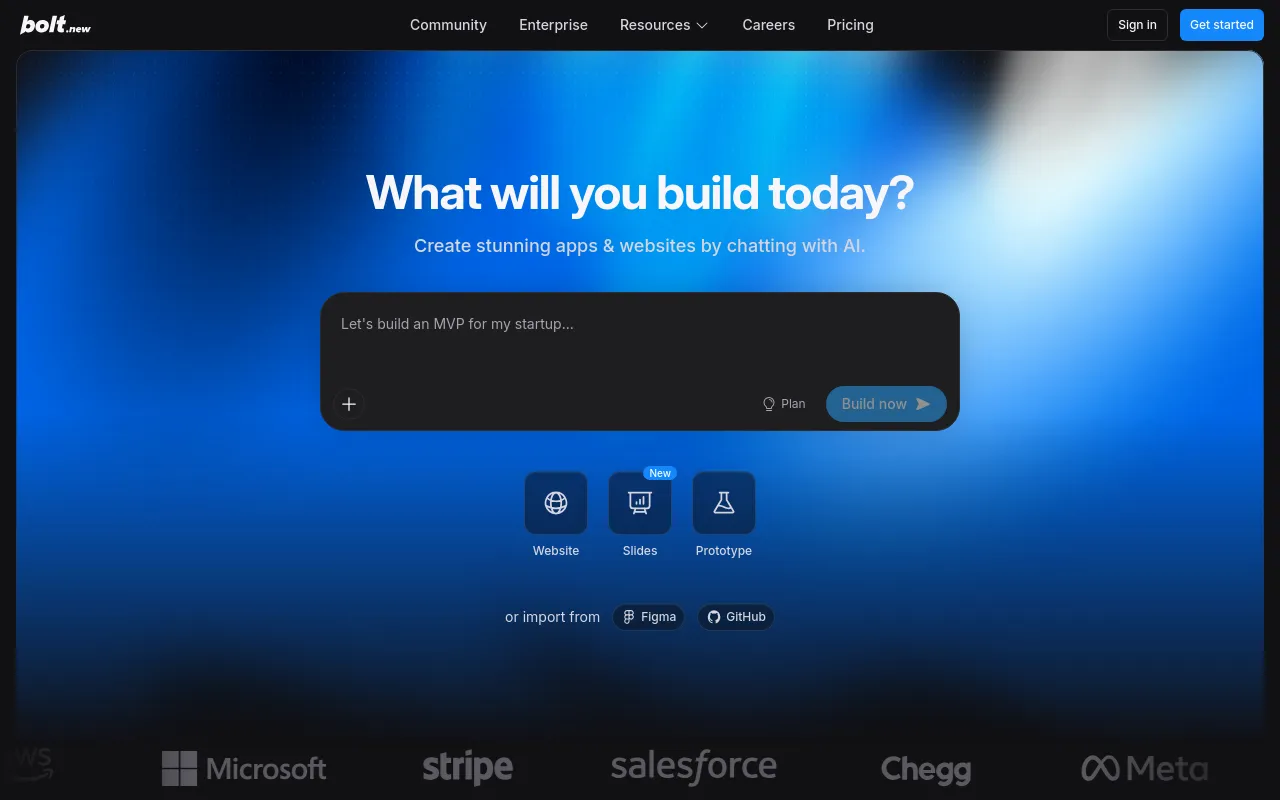
| Bolt.new | Coding | Freemium | Yes | No | No | Cloud |
| Botpress | Platform | Freemium | Yes | Yes | Yes | Both |
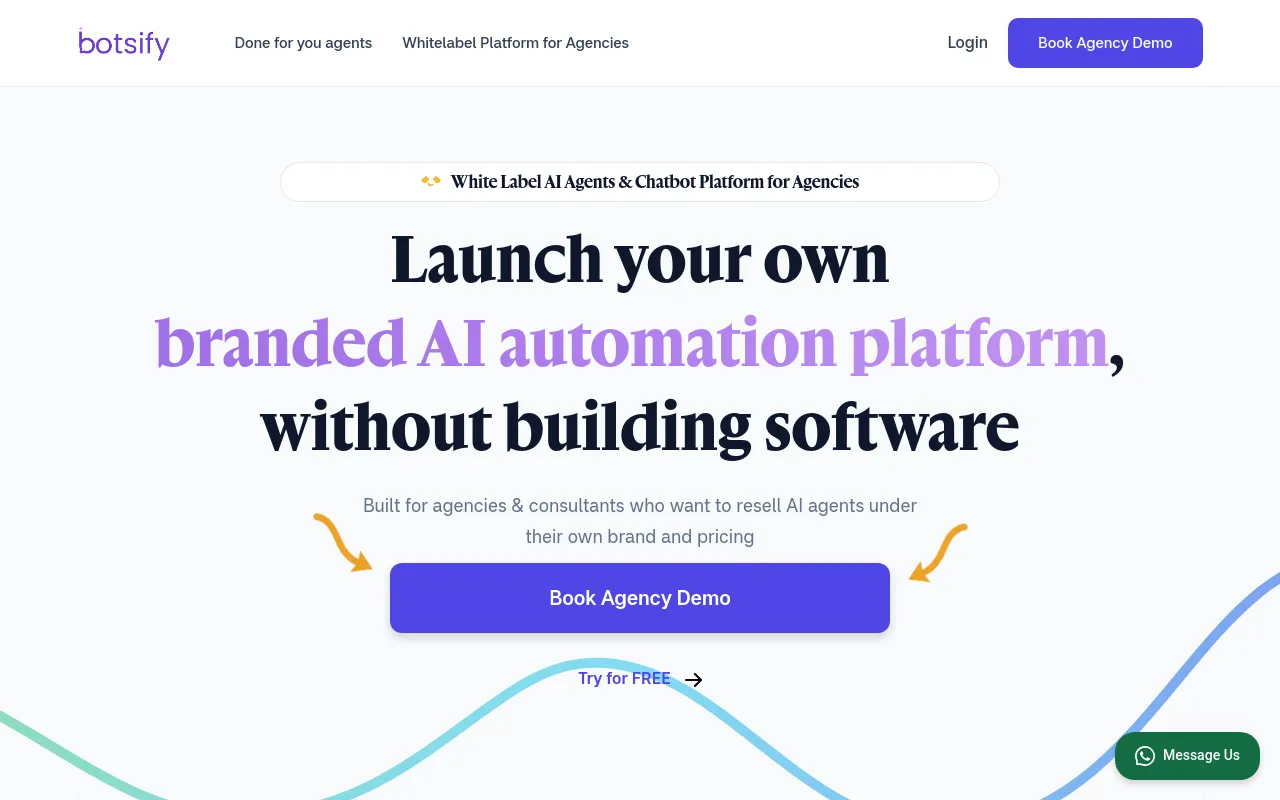
| Botsify | Platform | Subscription | No | Yes | No | Cloud |
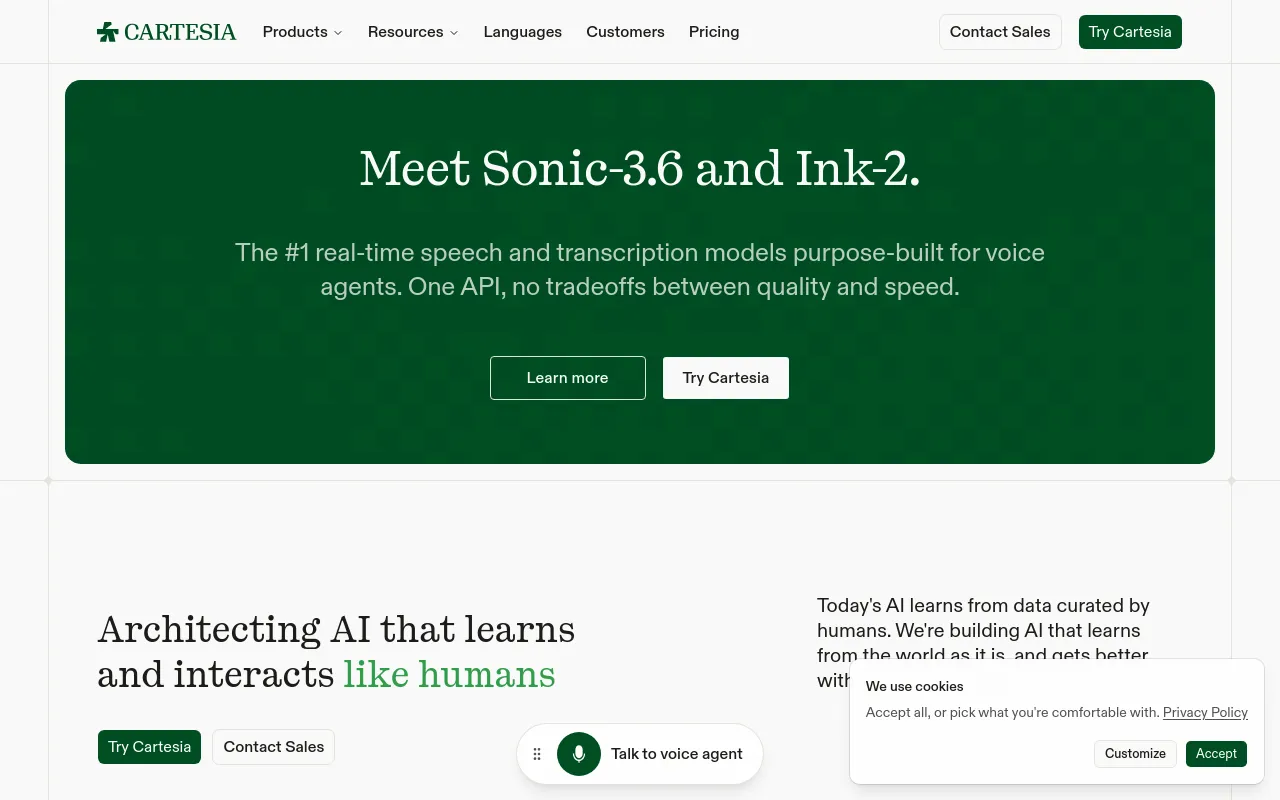
| Cartesia | Voice | Freemium | Yes | Yes | Yes | Cloud |
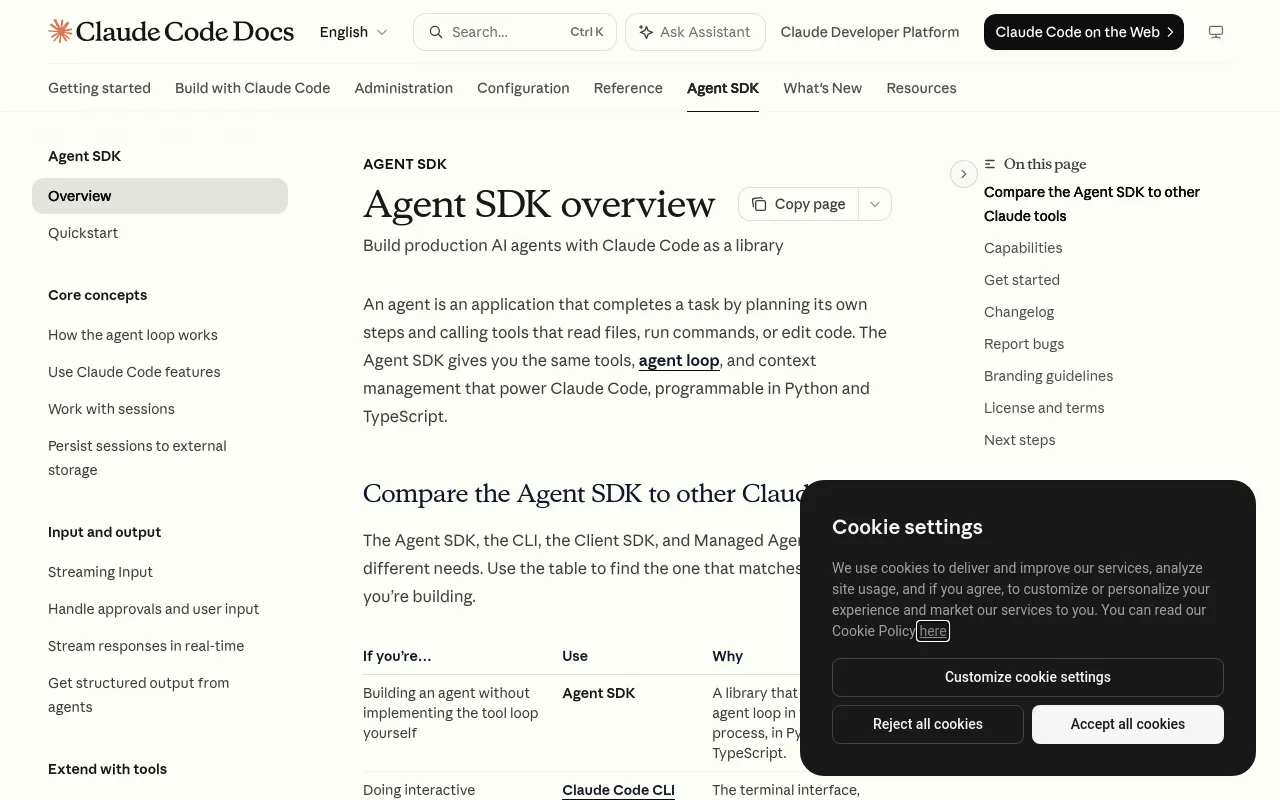
| Claude Agent SDK | Frameworks | Freemium | Yes | Yes | No | Both |
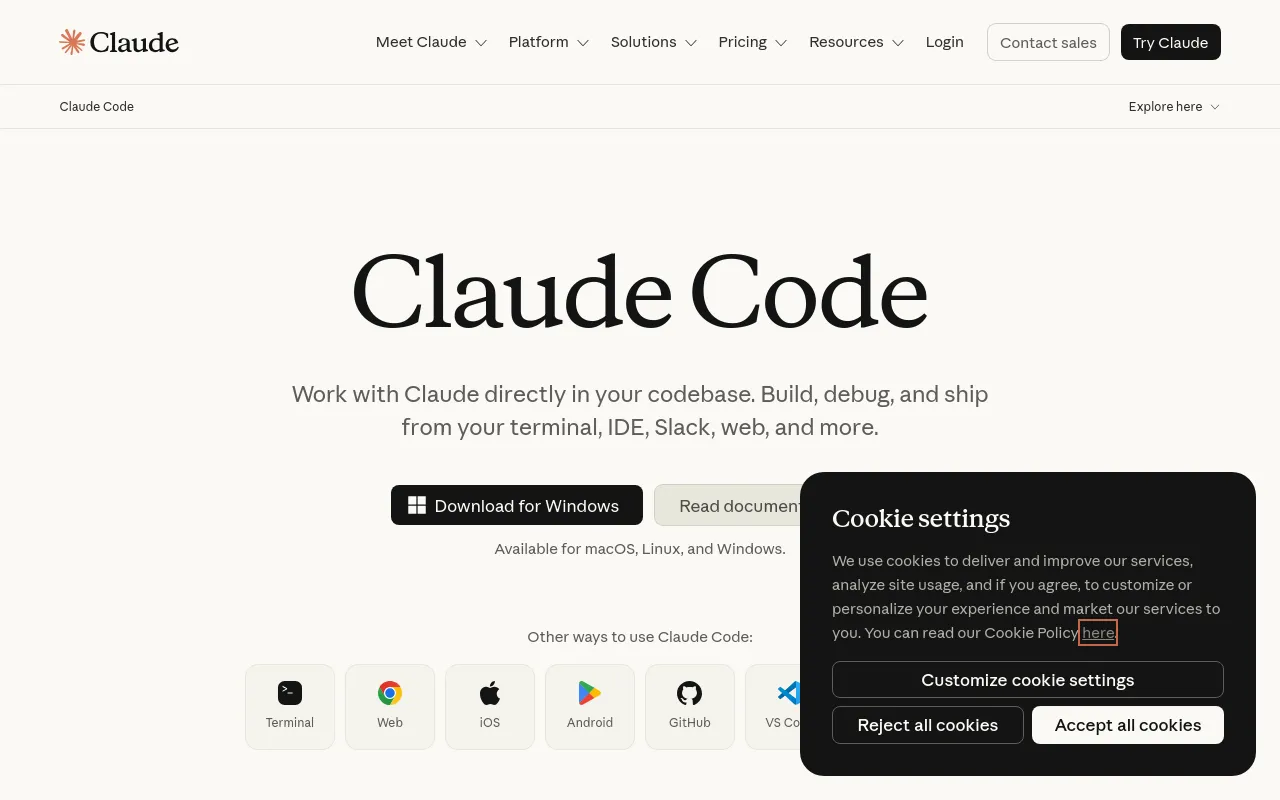
| Claude Code | Coding | Subscription | No | Yes | No | Cloud |
| Cline | Coding | Freemium | Yes | Yes | Yes | Self-host |
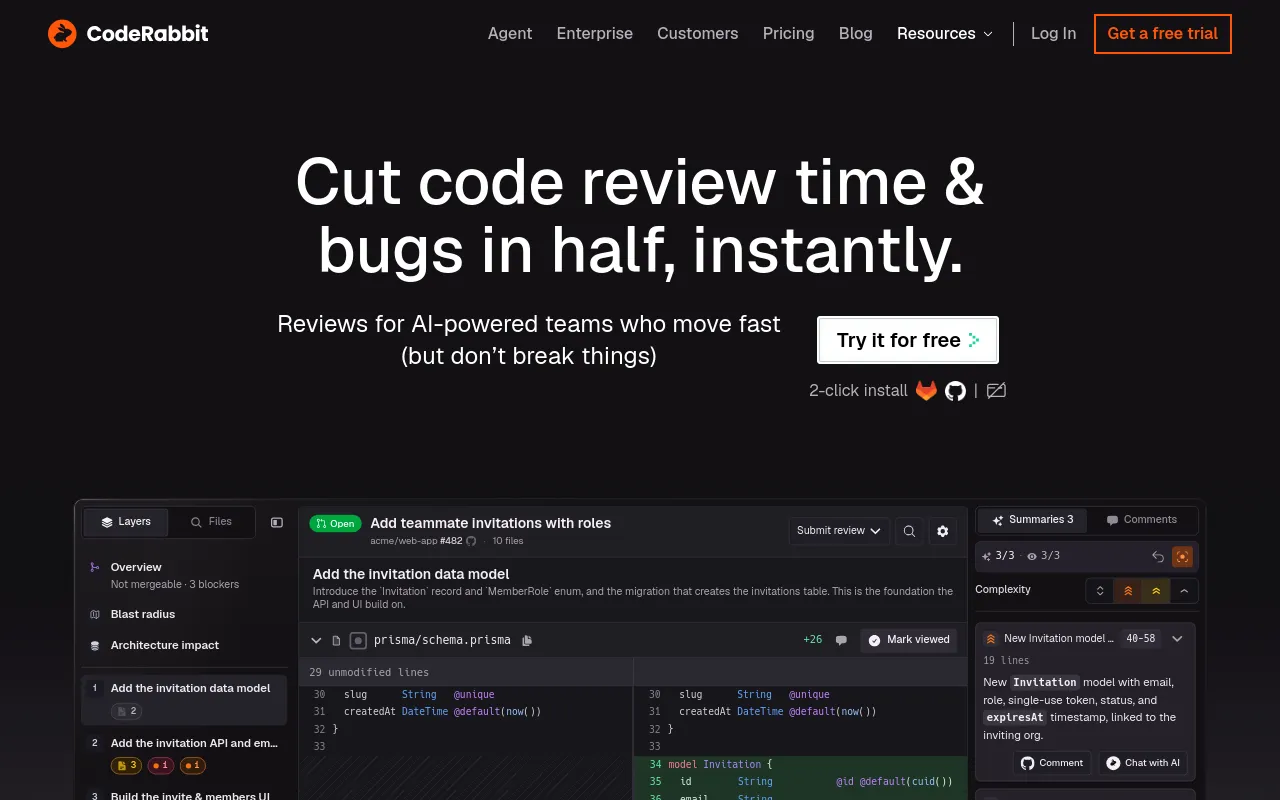
| CodeRabbit | Coding | Freemium | Yes | Yes | No | Both |
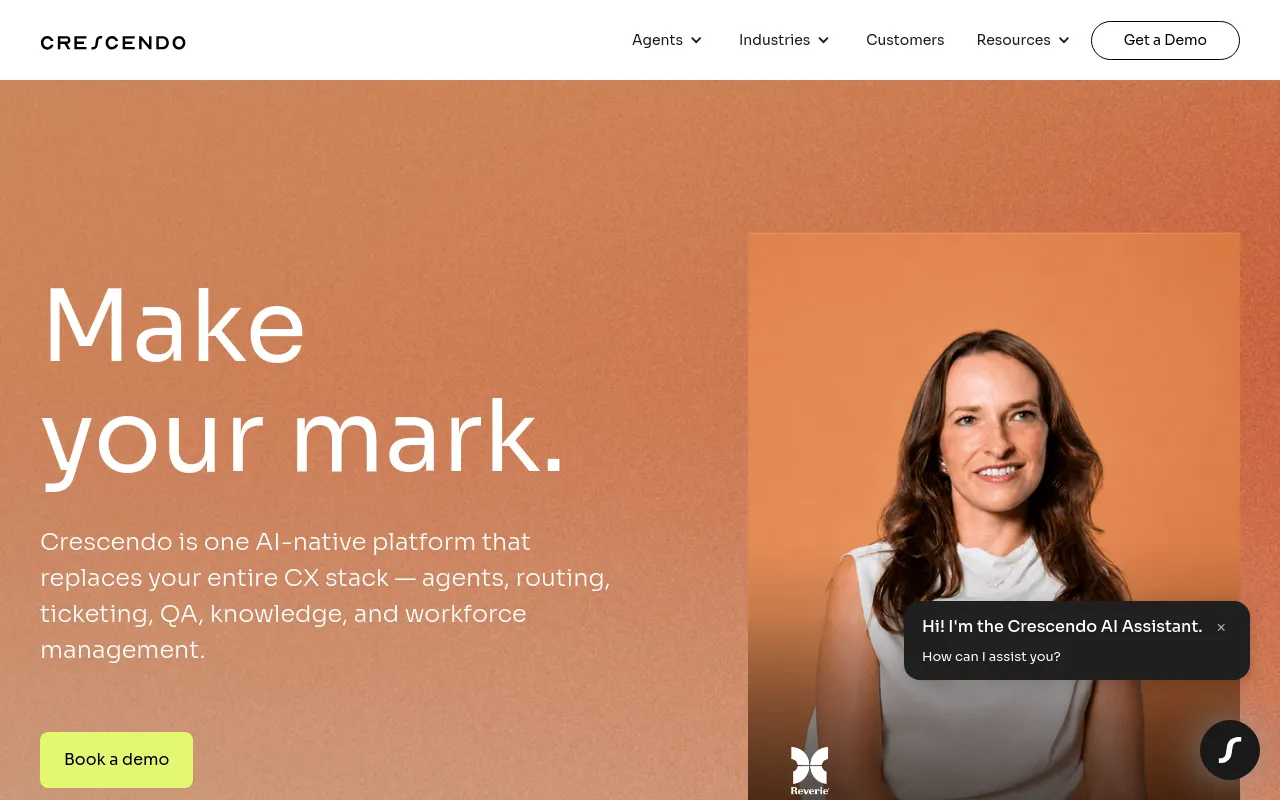
| Crescendo | Support | Usage-based | No | No | No | Cloud |
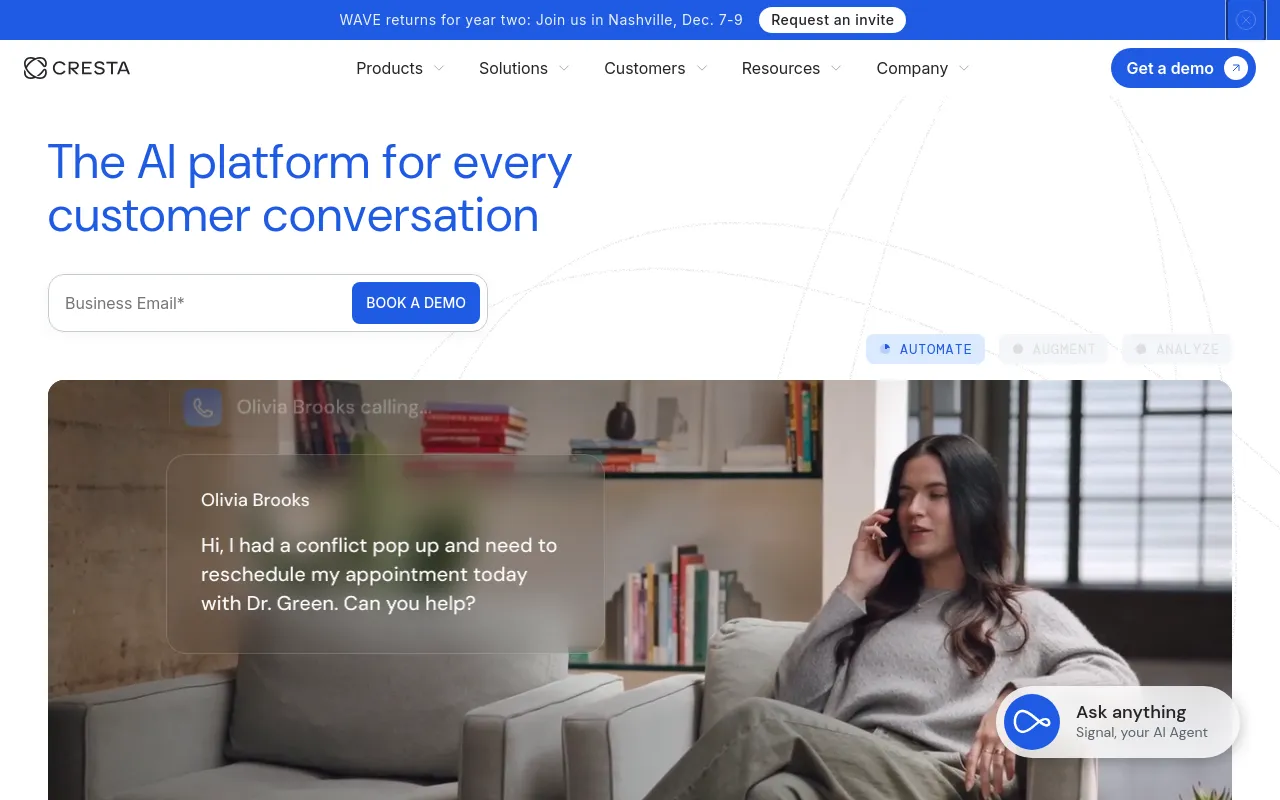
| Cresta | Support | Usage-based | No | Yes | No | Cloud |
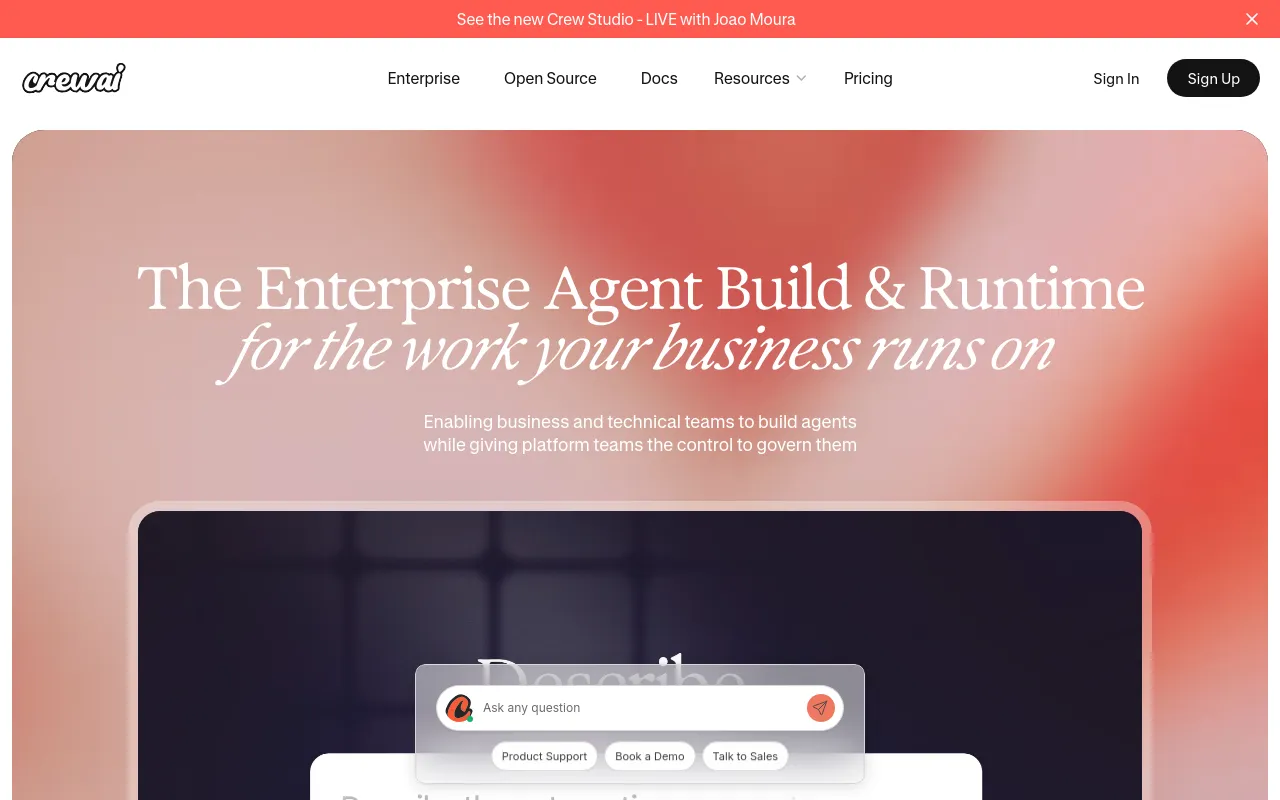
| CrewAI | Frameworks | Freemium | Yes | Yes | Yes | Both |
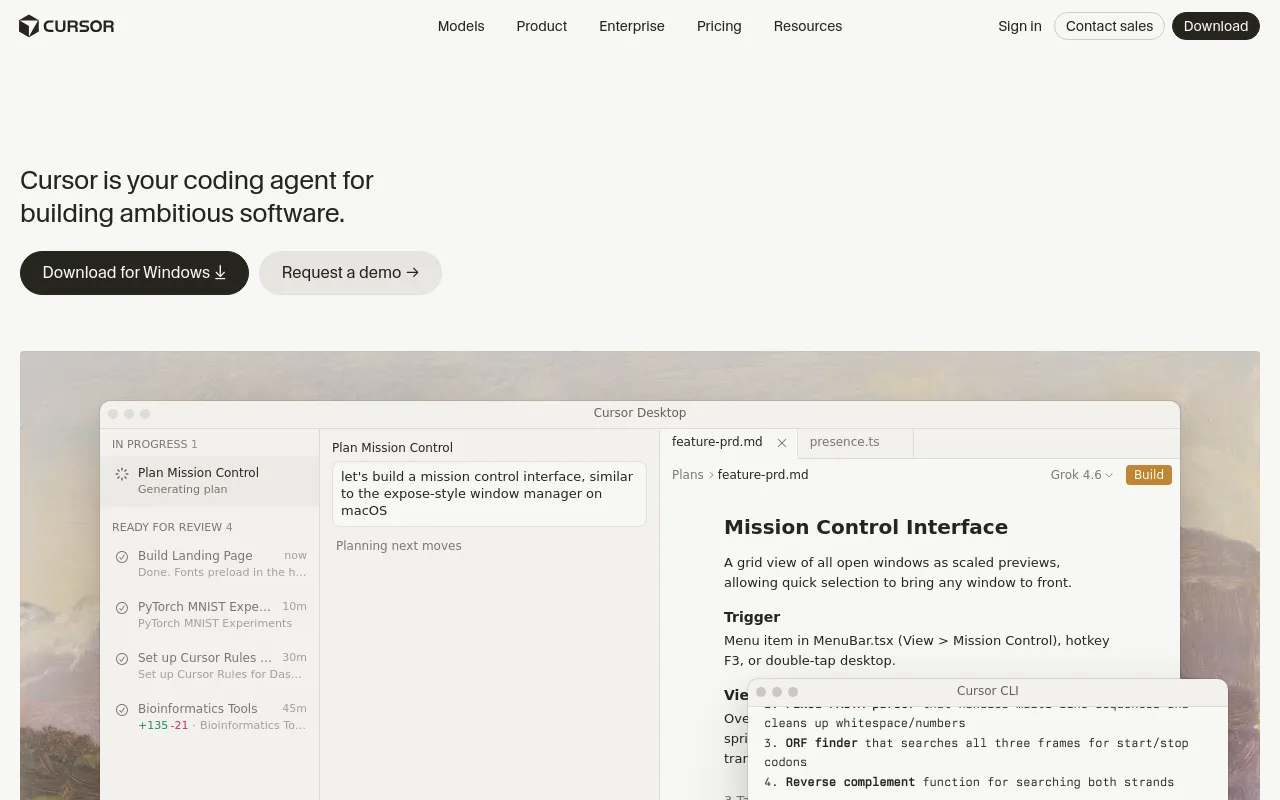
| Cursor | Coding | Freemium | Yes | Unknown | No | Cloud |
| Decagon | Support | Usage-based | No | No | No | Cloud |
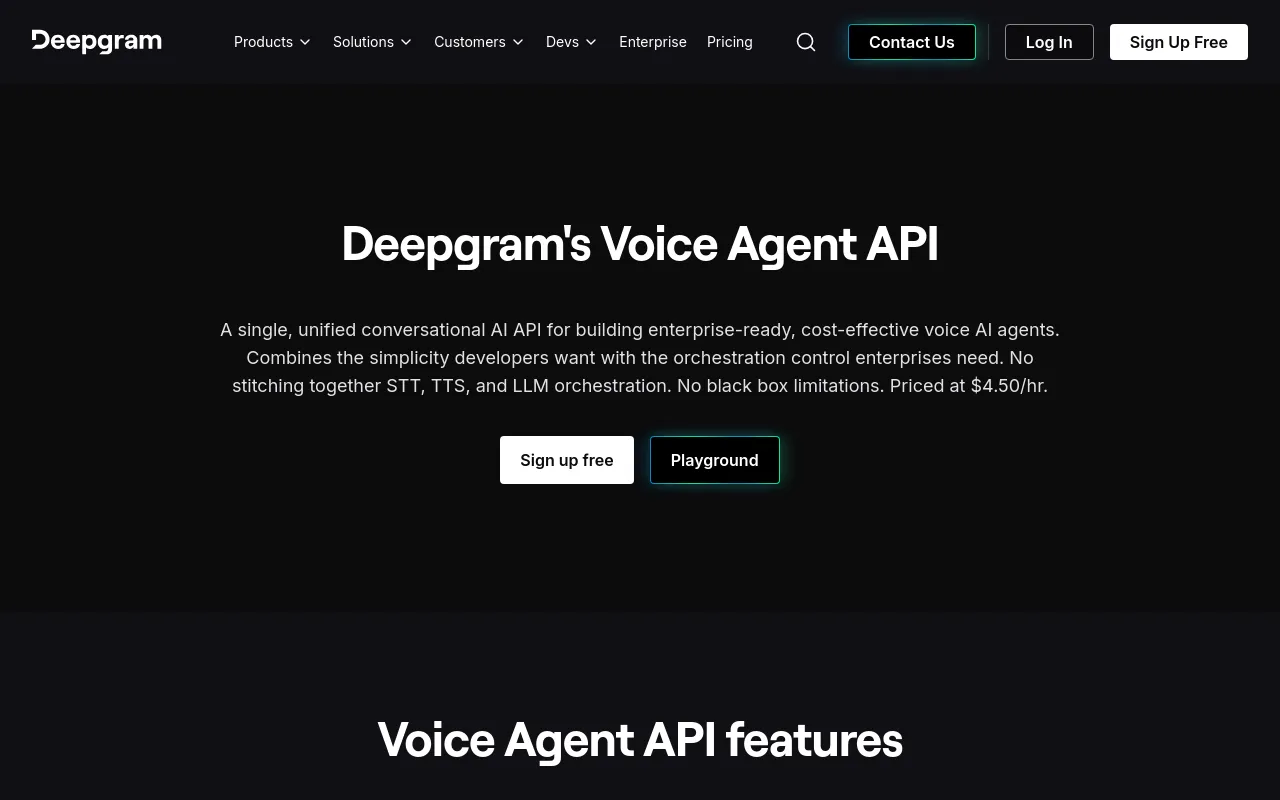
| Deepgram Voice Agent API | Voice | Usage-based | No | Yes | No | Both |
| Devin | Coding | Usage-based | No | Yes | No | Cloud |
| Dify | Platform | Freemium | Yes | Yes | Yes | Both |
| ElevenLabs Conversational AI | Voice | Usage-based | Yes | Yes | No | Cloud |
| Elicit | Research | Freemium | Yes | Yes | No | Cloud |
| Factory | Coding | Subscription | No | Yes | No | Both |
| GC AI | Research | Subscription | No | Yes | No | Cloud |
| Gemini Code Assist | Coding | Subscription | No | No | No | Cloud |
| Genspark | Research | Usage-based | Yes | No | No | Cloud |
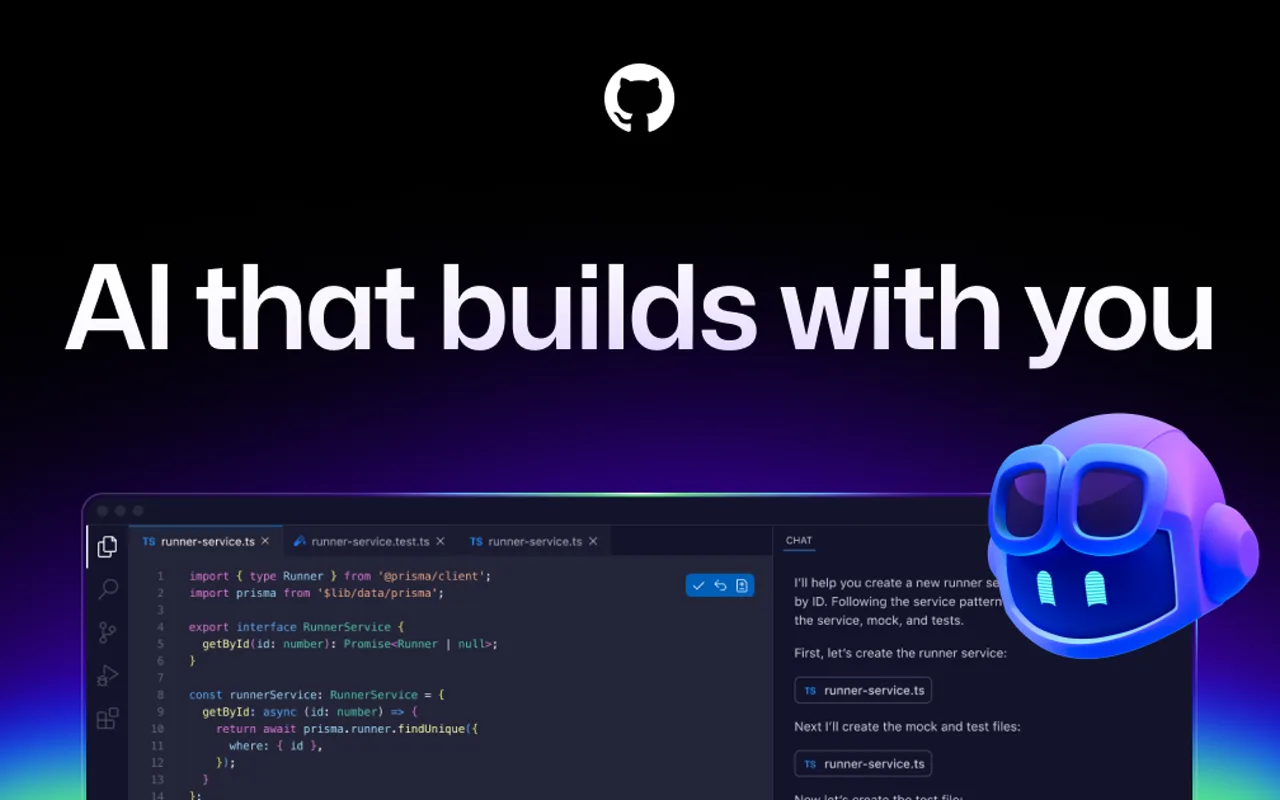
| GitHub Copilot | Coding | Freemium | Yes | Unknown | No | Cloud |
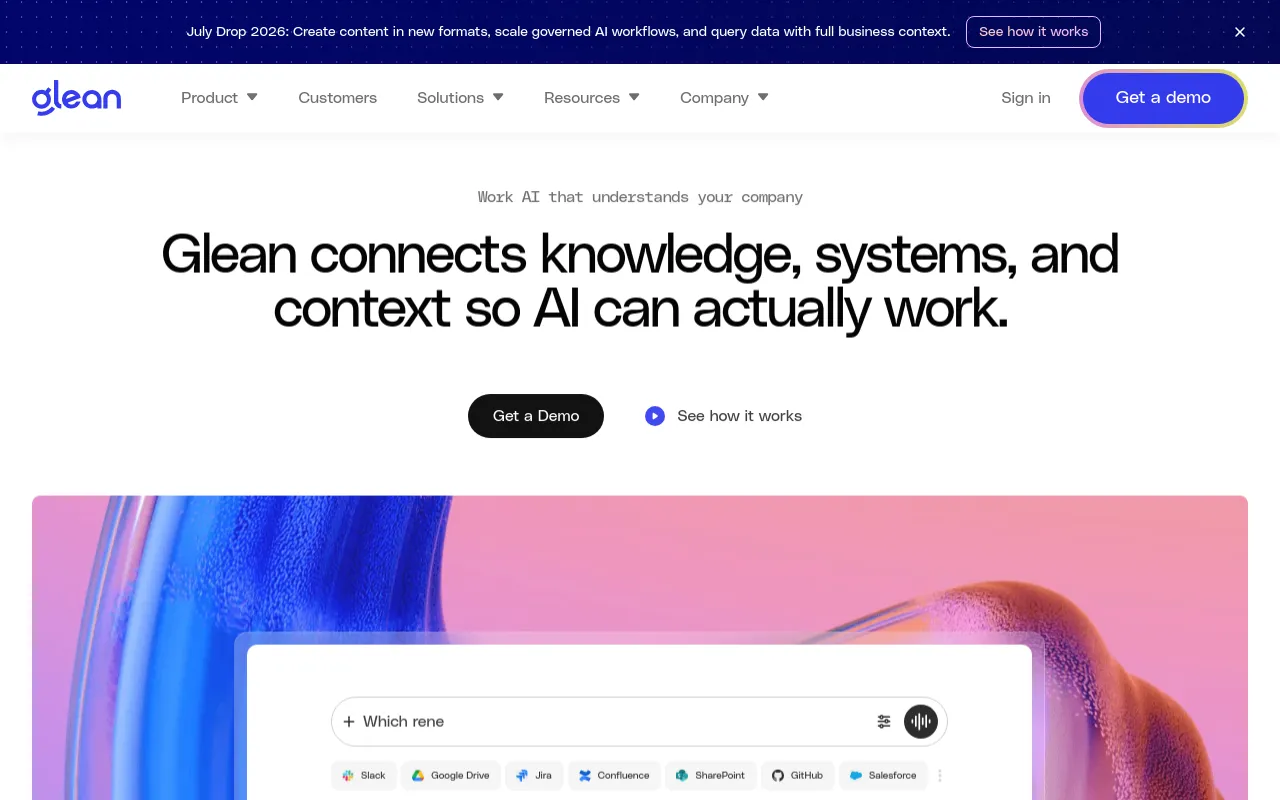
| Glean | Platform | Subscription | No | Yes | No | Cloud |
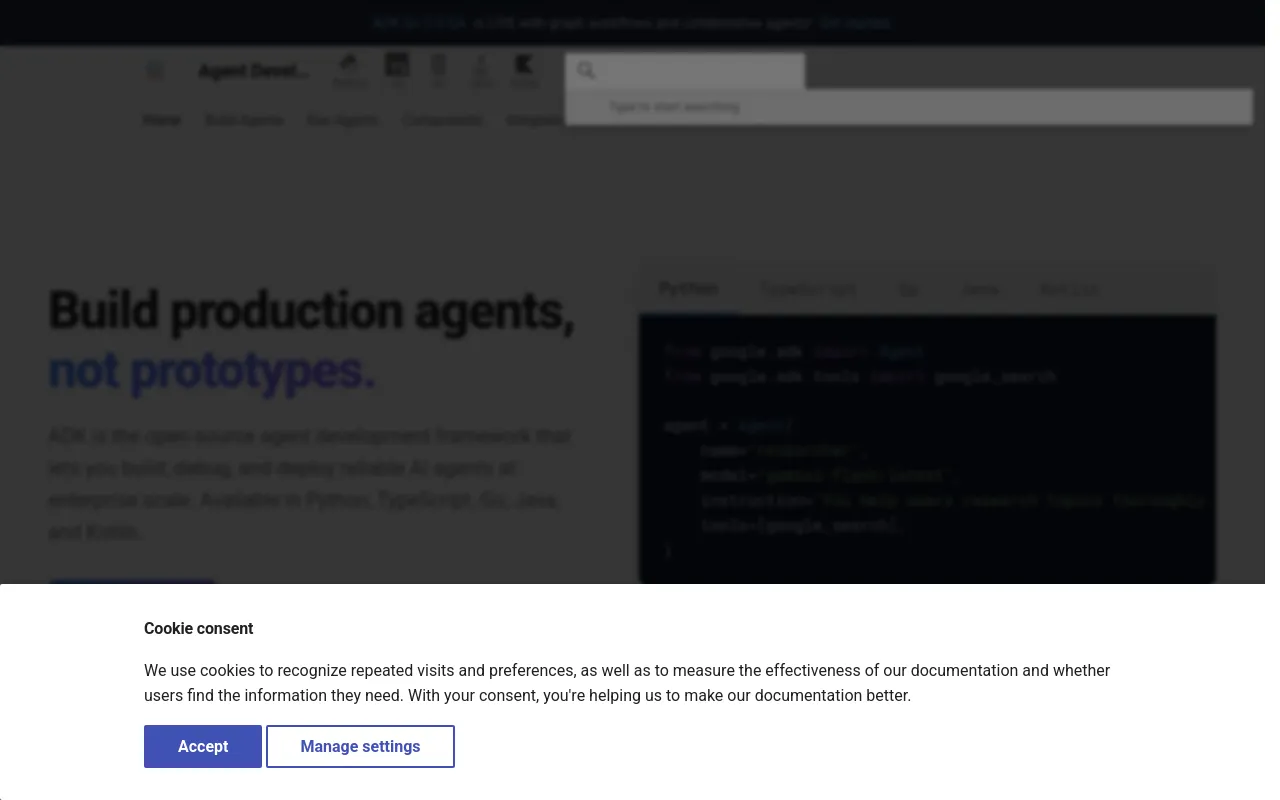
| Google Agent Development Kit | Frameworks | Freemium | Yes | Yes | Yes | Both |
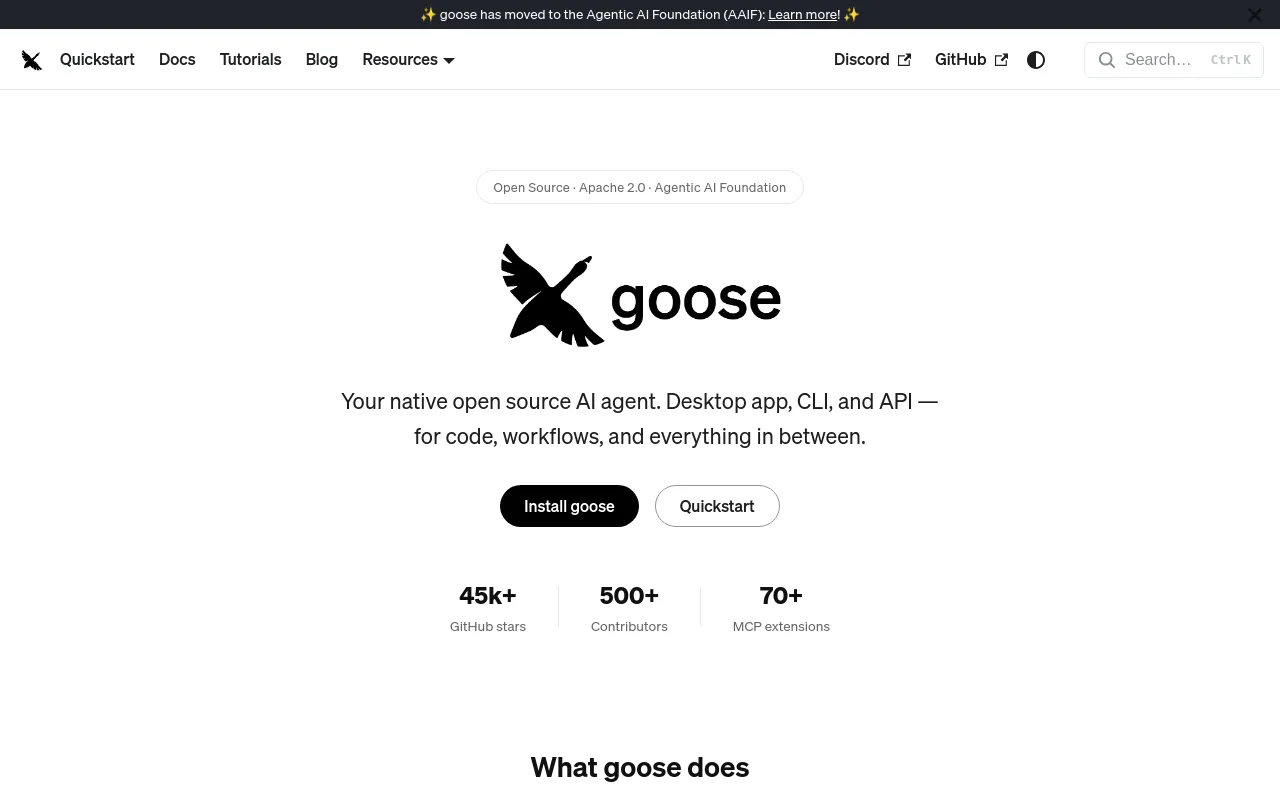
| Goose | Coding | Free | Yes | Yes | Yes | Self-host |
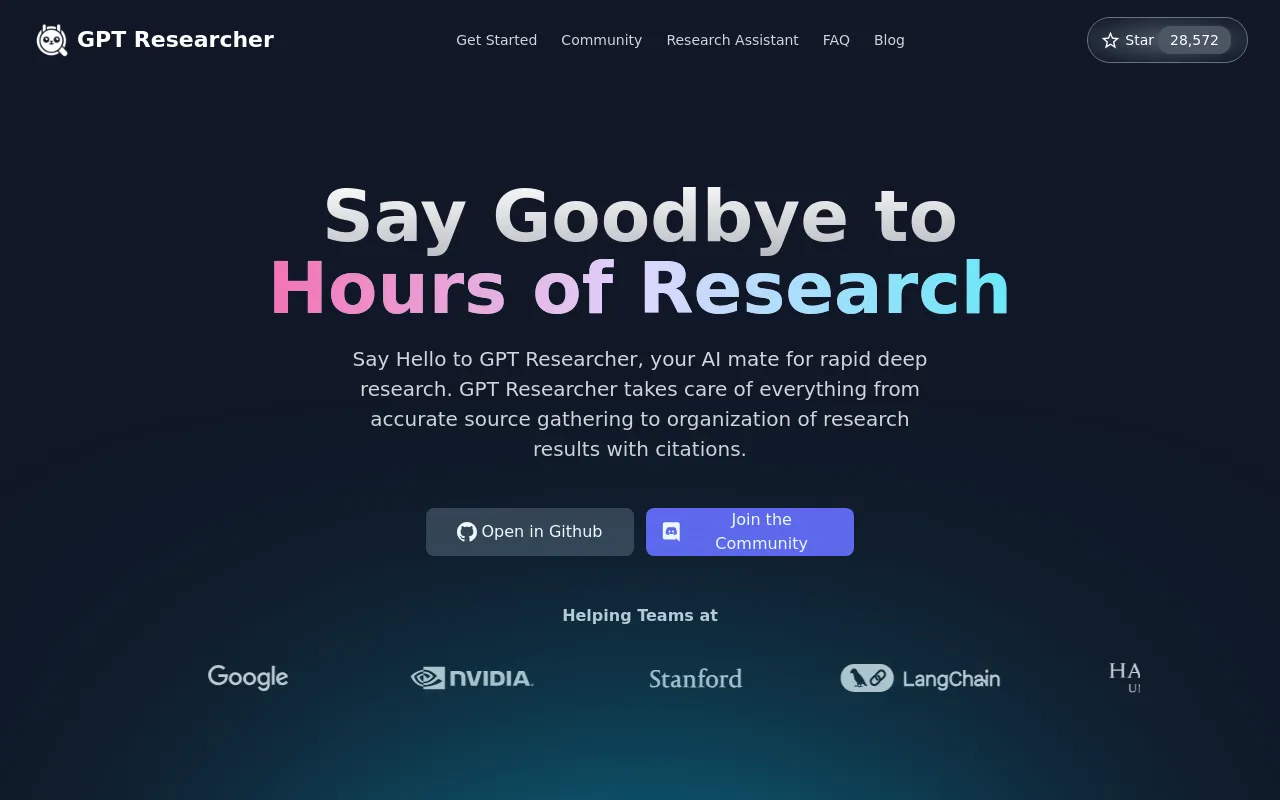
| GPT Researcher | Research | Free | Yes | Yes | Yes | Self-host |
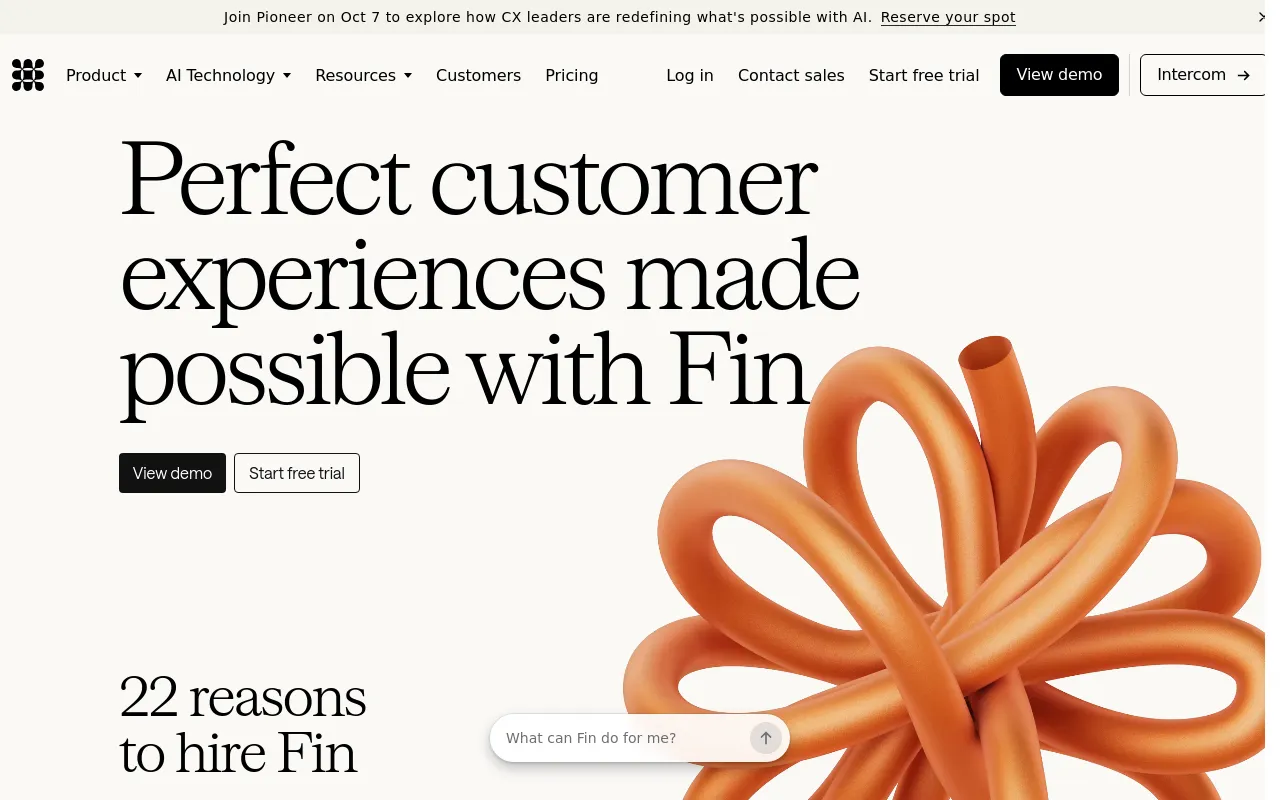
| Intercom Fin | Support | Usage-based | No | Yes | No | Cloud |
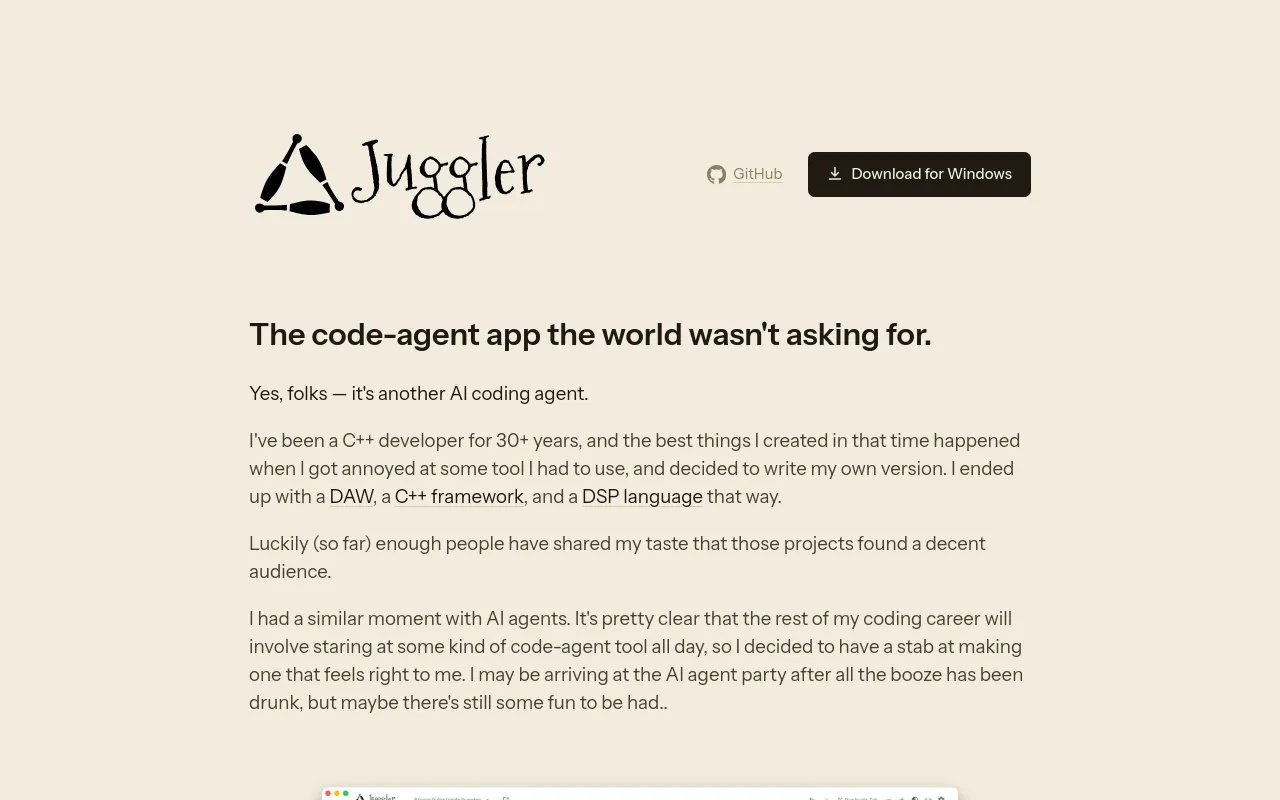
| Juggler | Coding | Free | Yes | Unknown | Yes | Self-host |
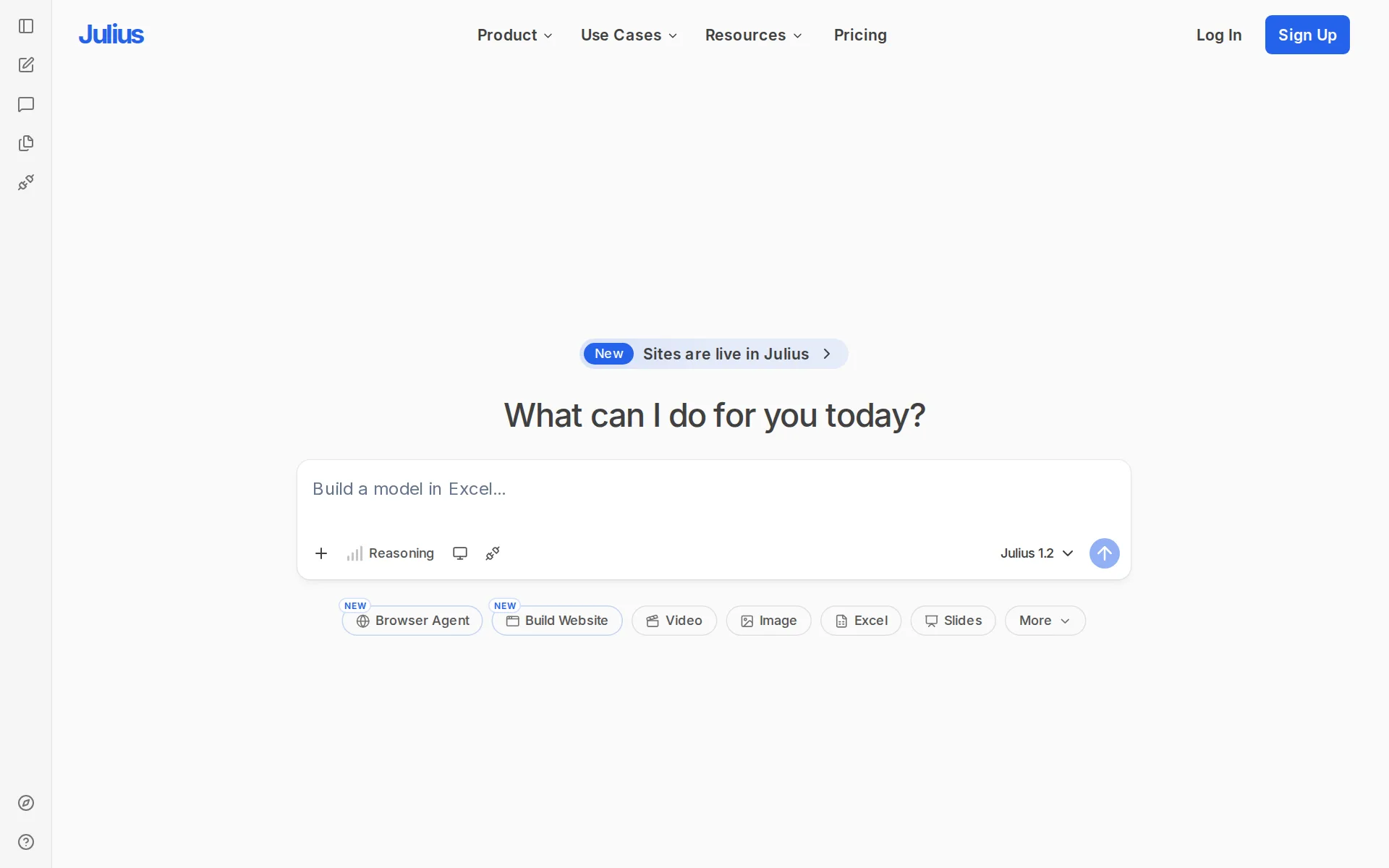
| Julius AI | Research | Freemium | Yes | Unknown | No | Cloud |
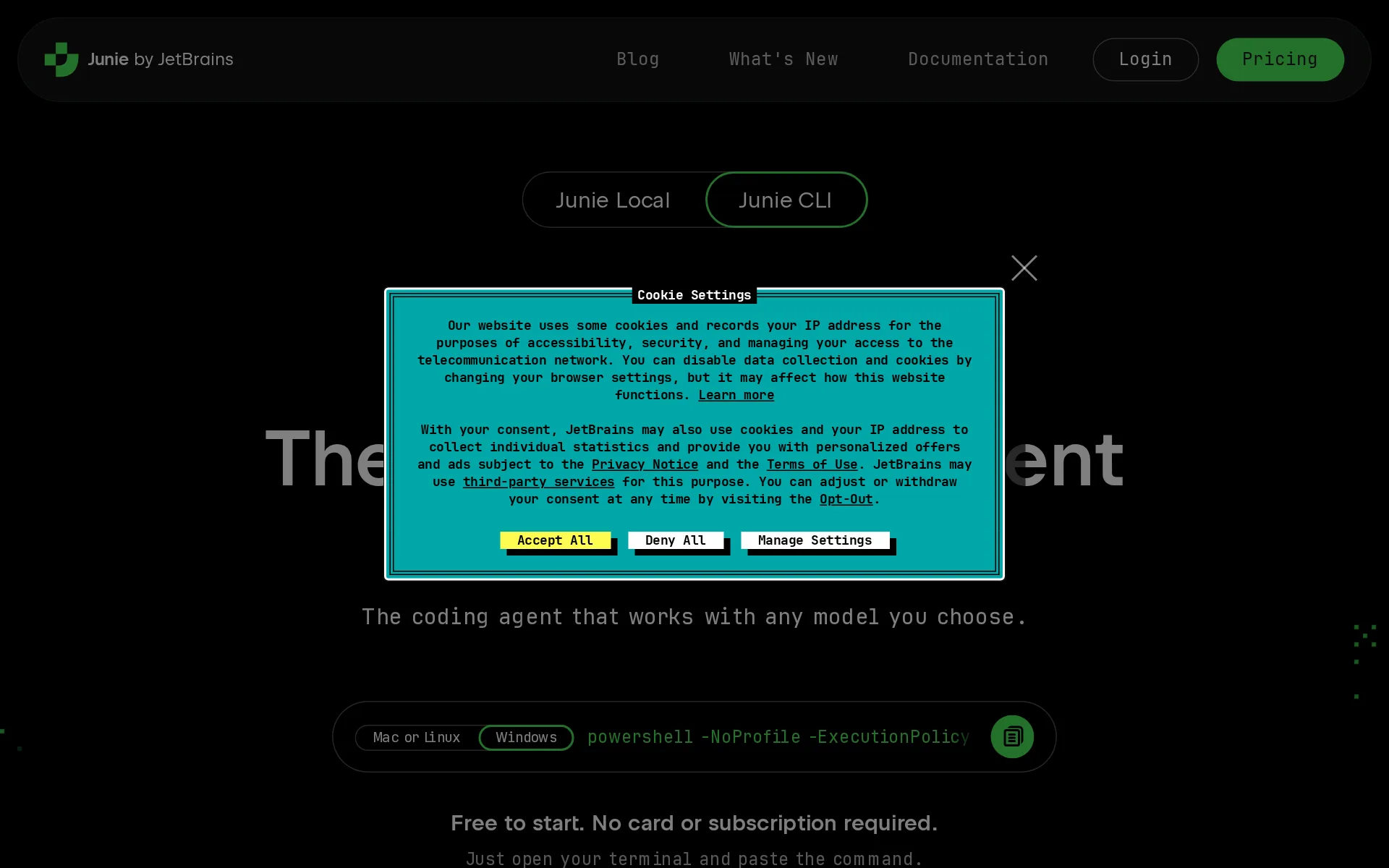
| Junie | Coding | Freemium | Yes | Yes | No | Both |
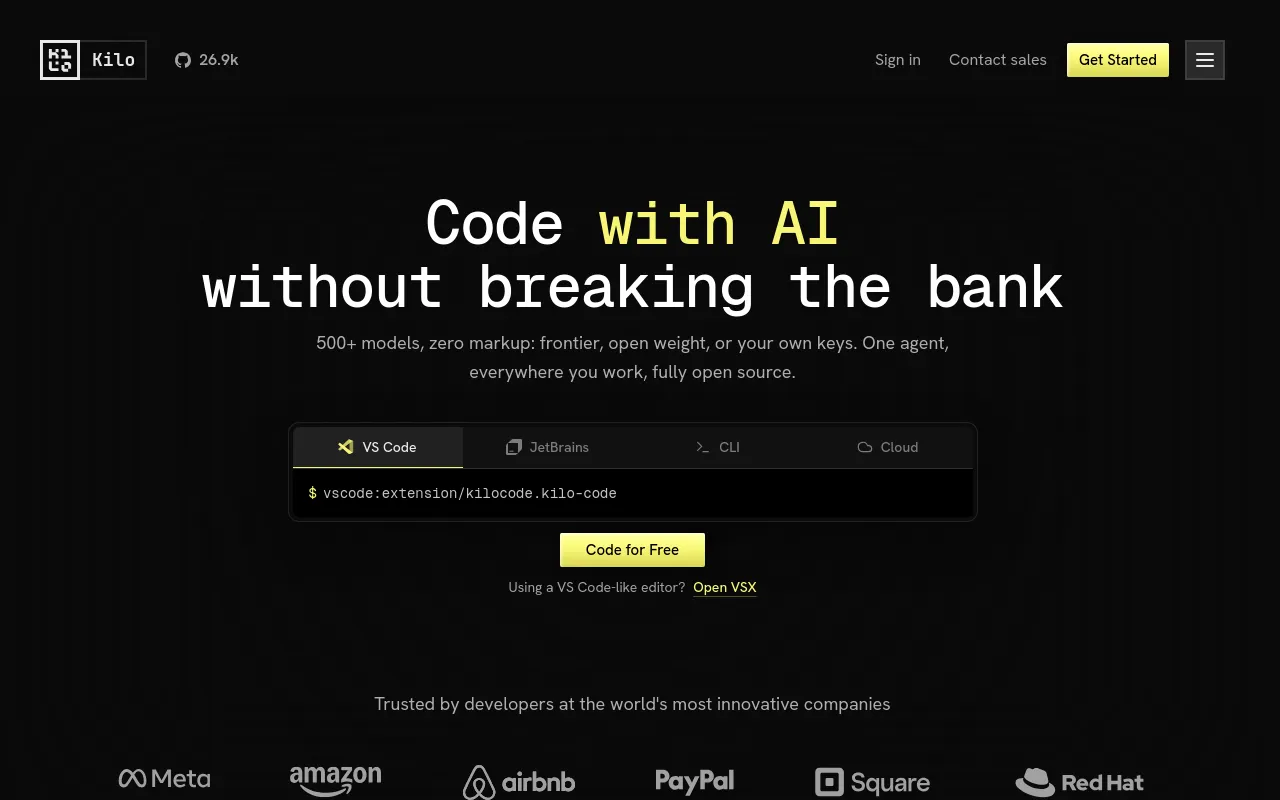
| Kilo Code | Coding | Freemium | Yes | Yes | Yes | Both |
| LangChain | Frameworks | Freemium | Yes | Yes | Yes | Self-host |
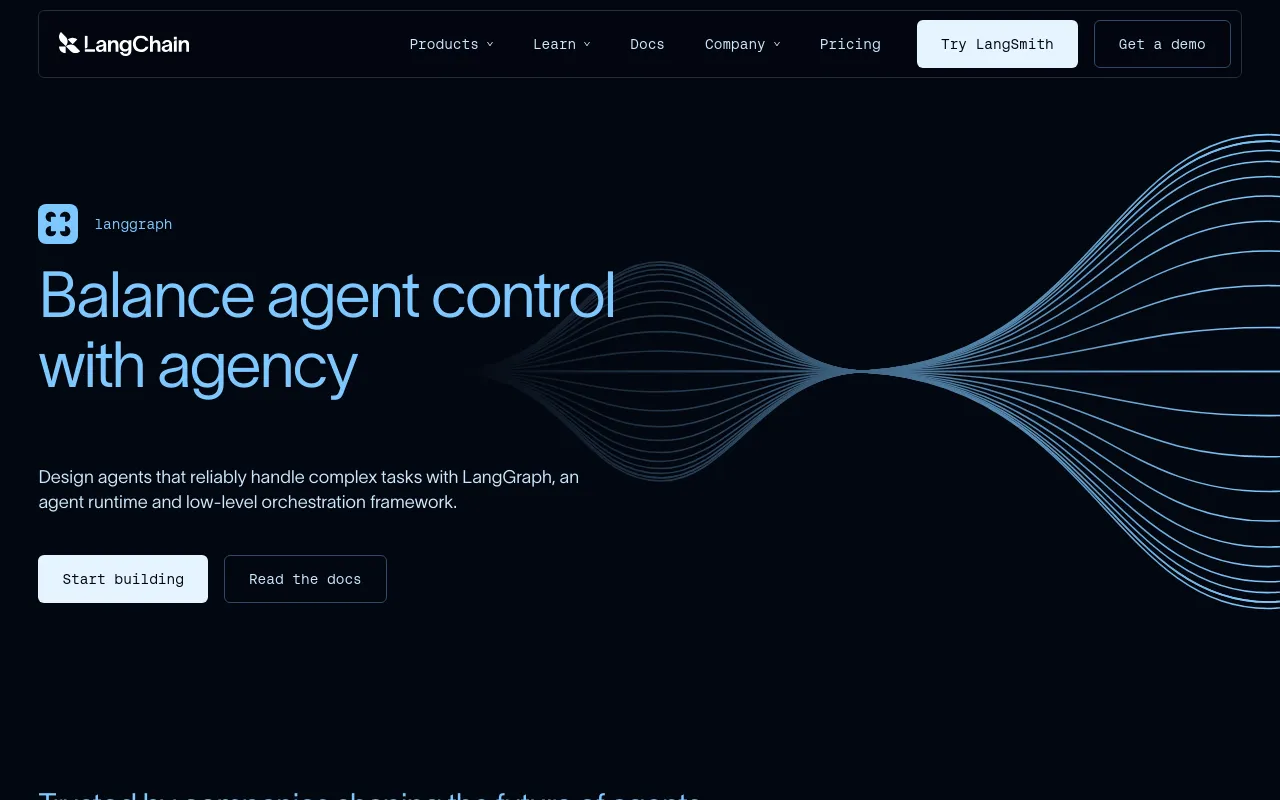
| LangGraph | Frameworks | Freemium | Yes | Yes | Yes | Both |
| Lead Scorer | Sales/Mktg | Freemium | Yes | Yes | No | Cloud |
| Letta | Frameworks | Freemium | Yes | Yes | Yes | Both |
| Lindy | Platform | Subscription | No | Unknown | No | Cloud |
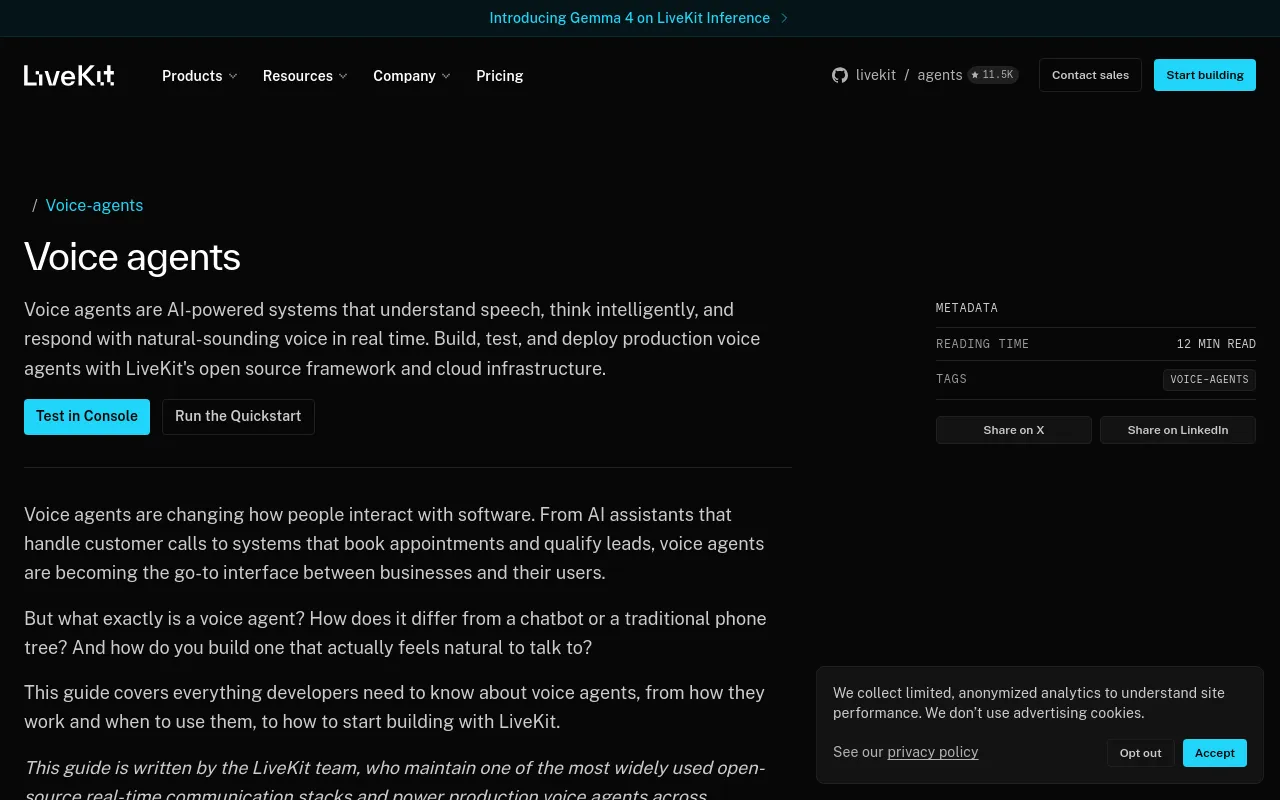
| LiveKit Agents | Voice | Freemium | Yes | Yes | Yes | Both |
| LlamaIndex | Frameworks | Freemium | Yes | Yes | Yes | Both |
| Manus | Research | Usage-based | Yes | Yes | No | Cloud |
| Mastra | Frameworks | Freemium | Yes | Yes | Yes | Both |
| Microsoft Agent Framework | Frameworks | Freemium | Yes | Yes | Yes | Both |
| Microsoft AutoGen | Frameworks | Free | Yes | Unknown | Yes | Self-host |
| Microsoft Fabric Data Agent | Research | Usage-based | No | Yes | No | Cloud |
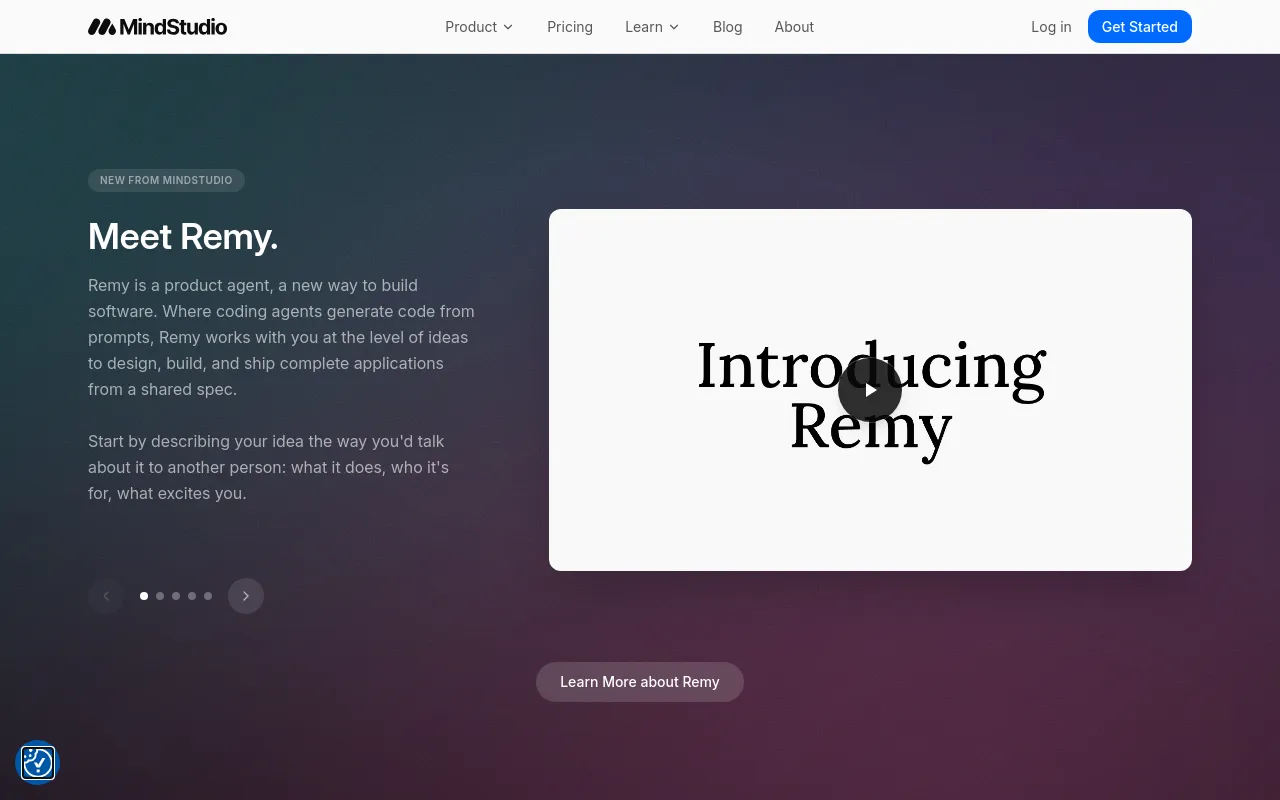
| MindStudio | Platform | Freemium | Yes | Yes | No | Both |
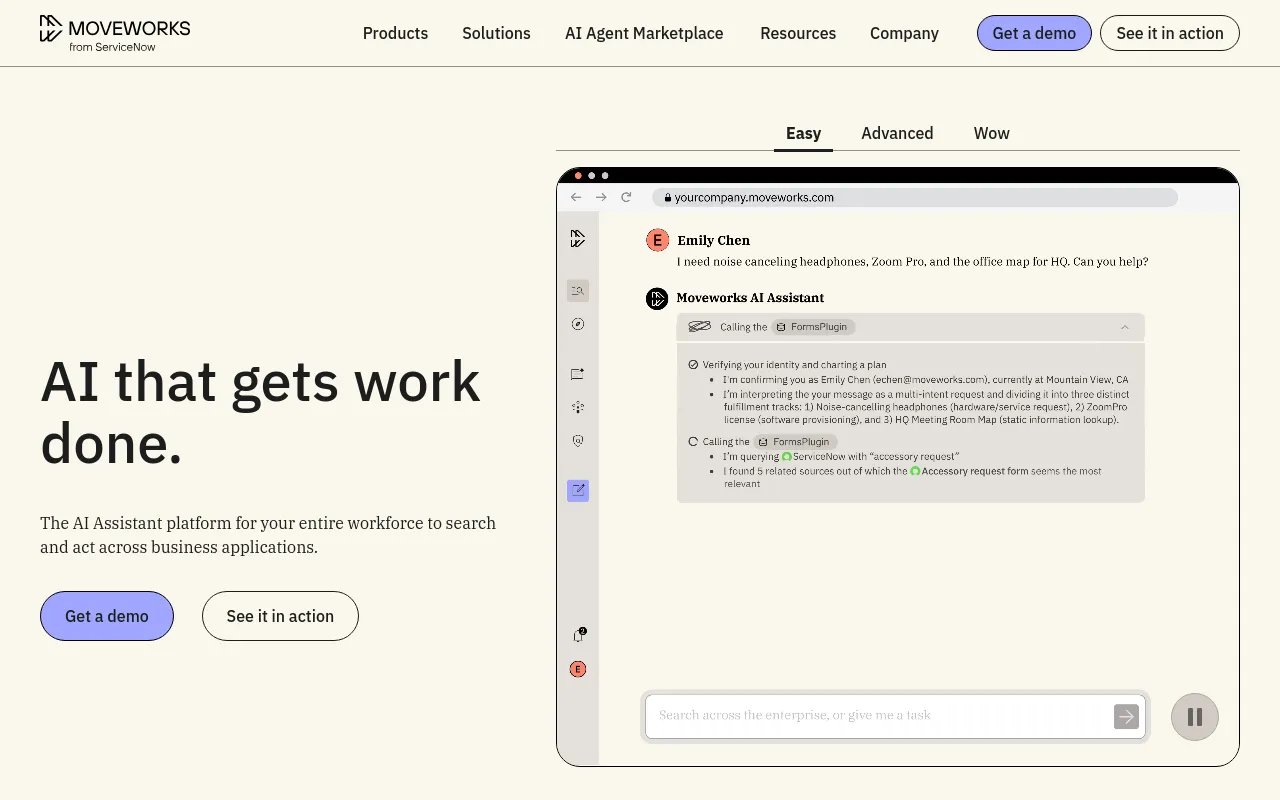
| Moveworks | Platform | Subscription | No | Yes | No | Cloud |
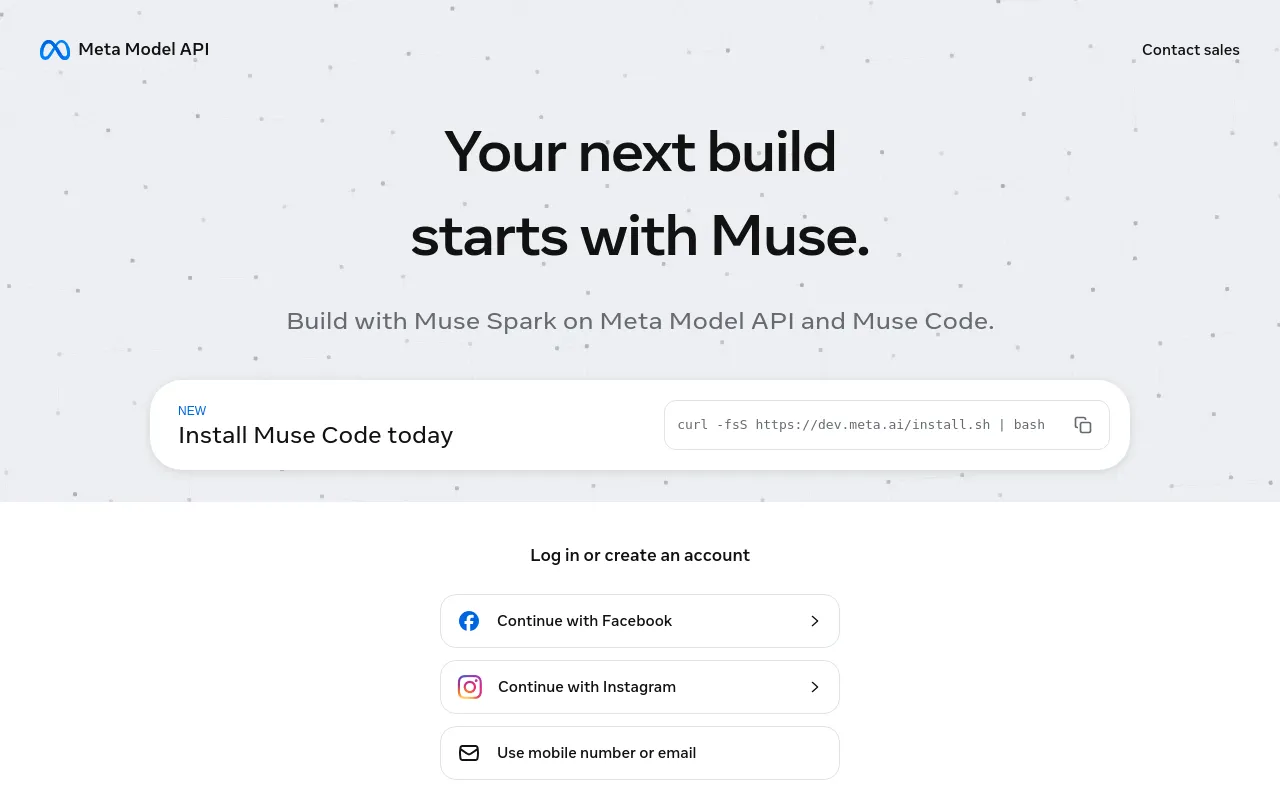
| Muse Code | Coding | Usage-based | No | Yes | No | Cloud |
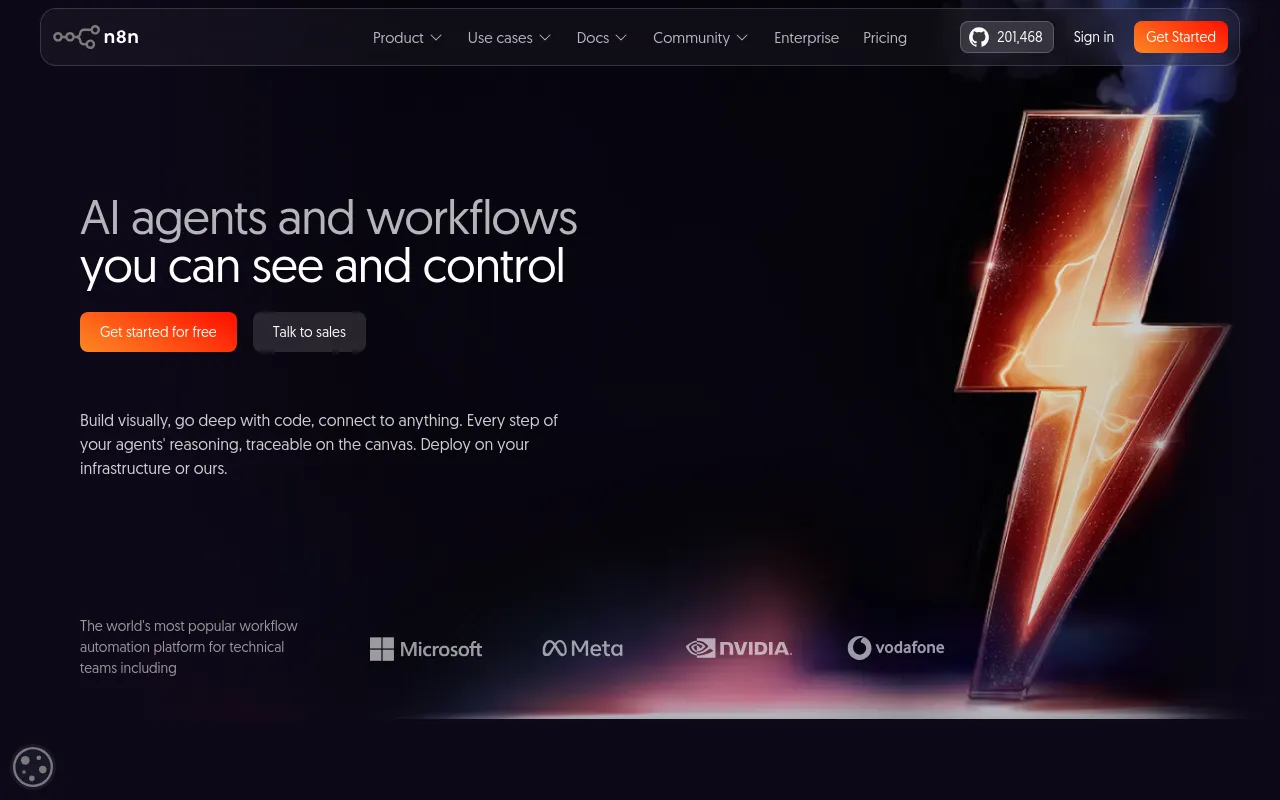
| n8n | Platform | Freemium | Yes | Yes | Yes | Both |
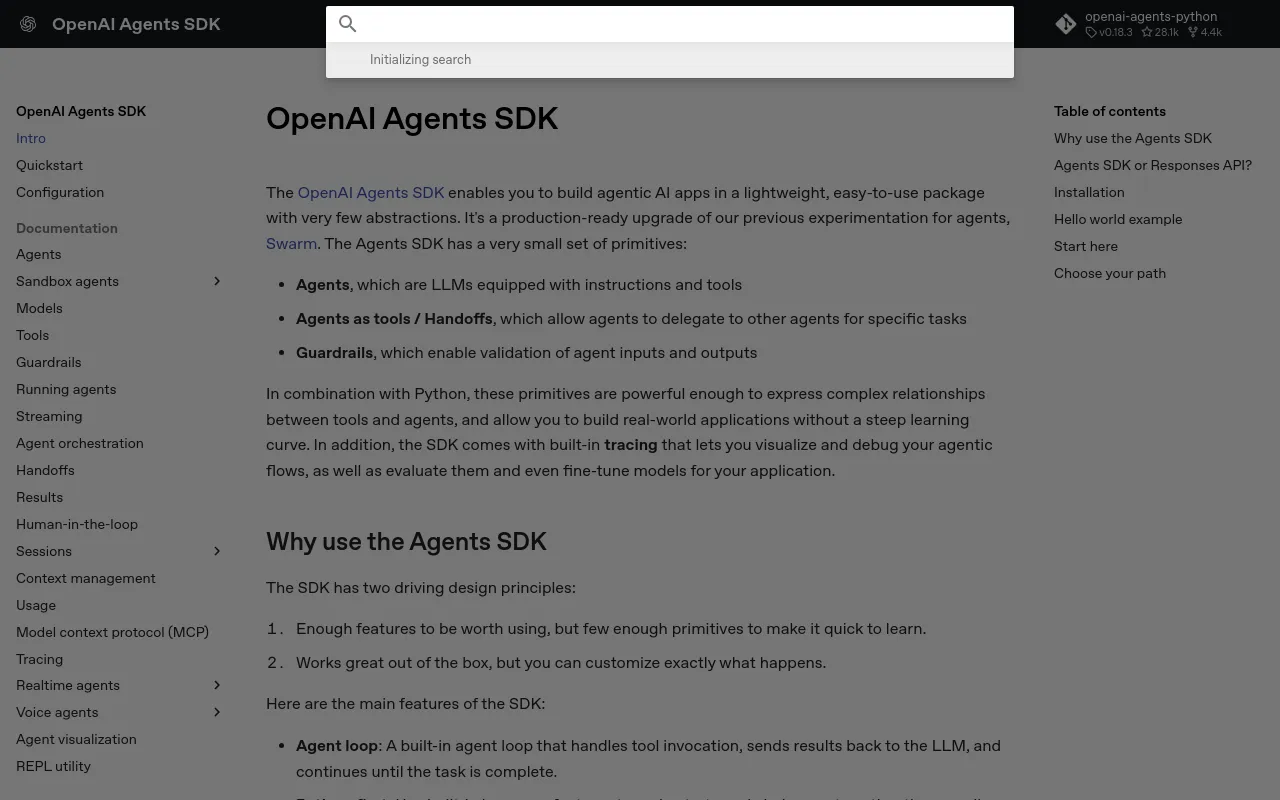
| OpenAI Agents SDK | Frameworks | Free | Yes | Unknown | Yes | Self-host |
| OpenAI Codex CLI | Coding | Freemium | Yes | Yes | Yes | Both |
| OpenAI Realtime API | Voice | Usage-based | No | Yes | No | Cloud |
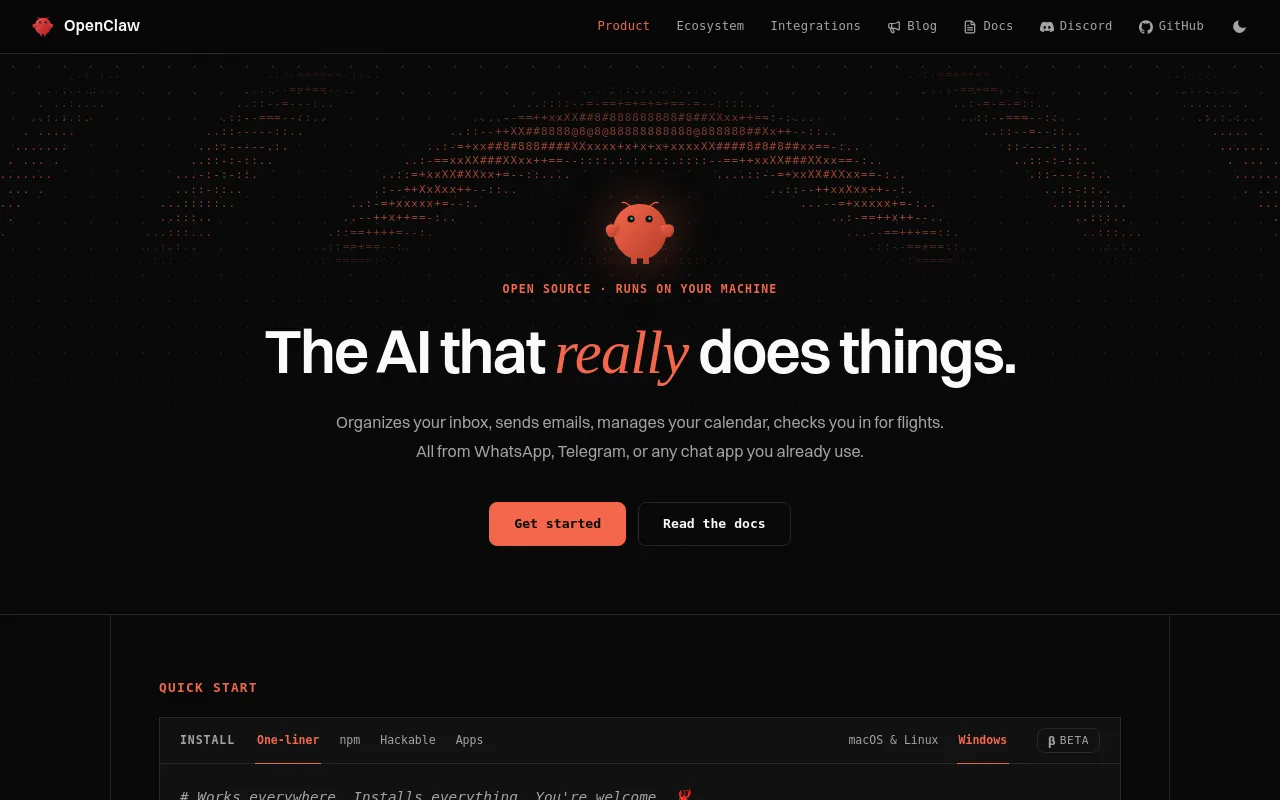
| OpenClaw | Platform | Free | Yes | Yes | Yes | Self-host |
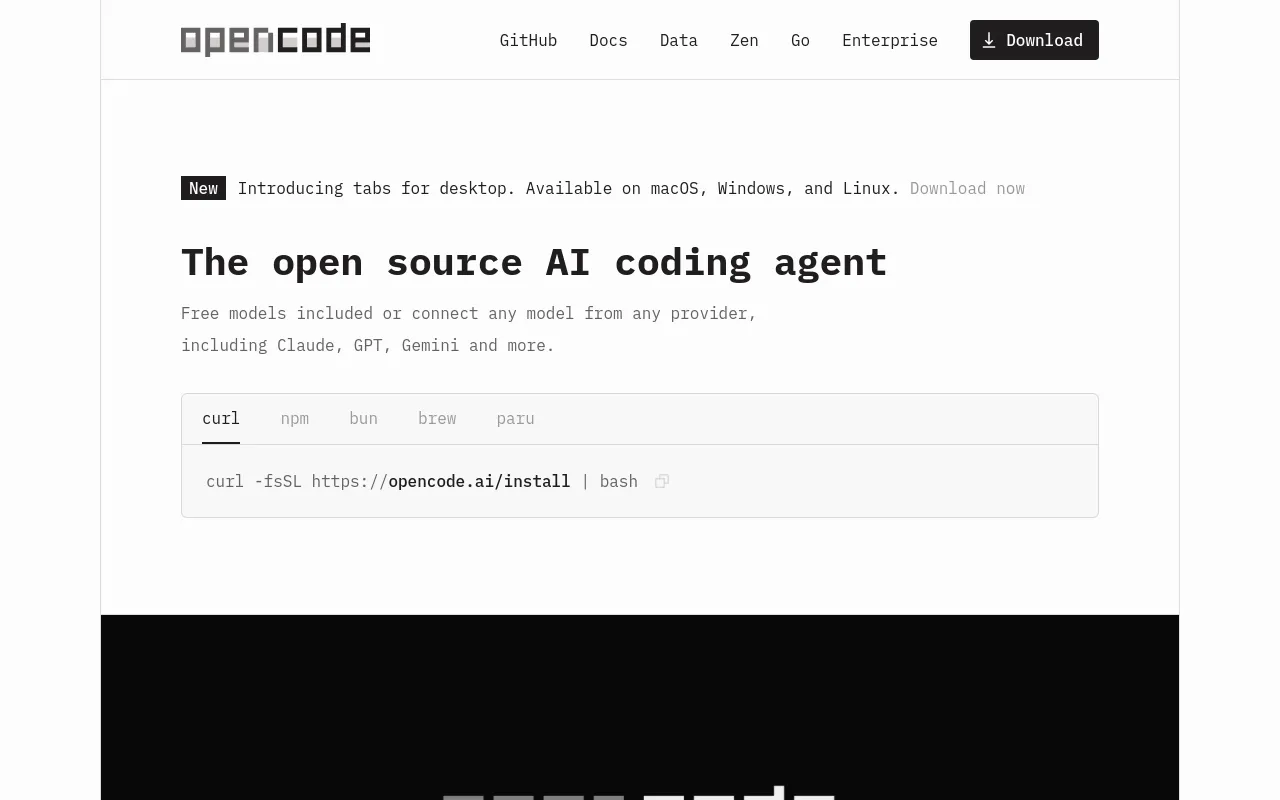
| OpenCode | Coding | Freemium | Yes | Yes | Yes | Self-host |
| OpenHands | Coding | Freemium | Yes | Yes | Yes | Both |
| Perplexity | Research | Freemium | Yes | Yes | No | Cloud |
| PolyAI | Voice | Usage-based | No | Yes | No | Cloud |
| Pydantic AI | Frameworks | Free | Yes | Unknown | Yes | Self-host |
| Qualified | Sales/Mktg | Subscription | No | Yes | No | Cloud |
| Relevance AI | Platform | Freemium | Yes | Yes | No | Cloud |
| Replit Agent | Coding | Freemium | Yes | No | No | Cloud |
| Retell AI | Voice | Usage-based | No | Yes | No | Cloud |
| Rox | Sales/Mktg | Freemium | Yes | No | No | Cloud |
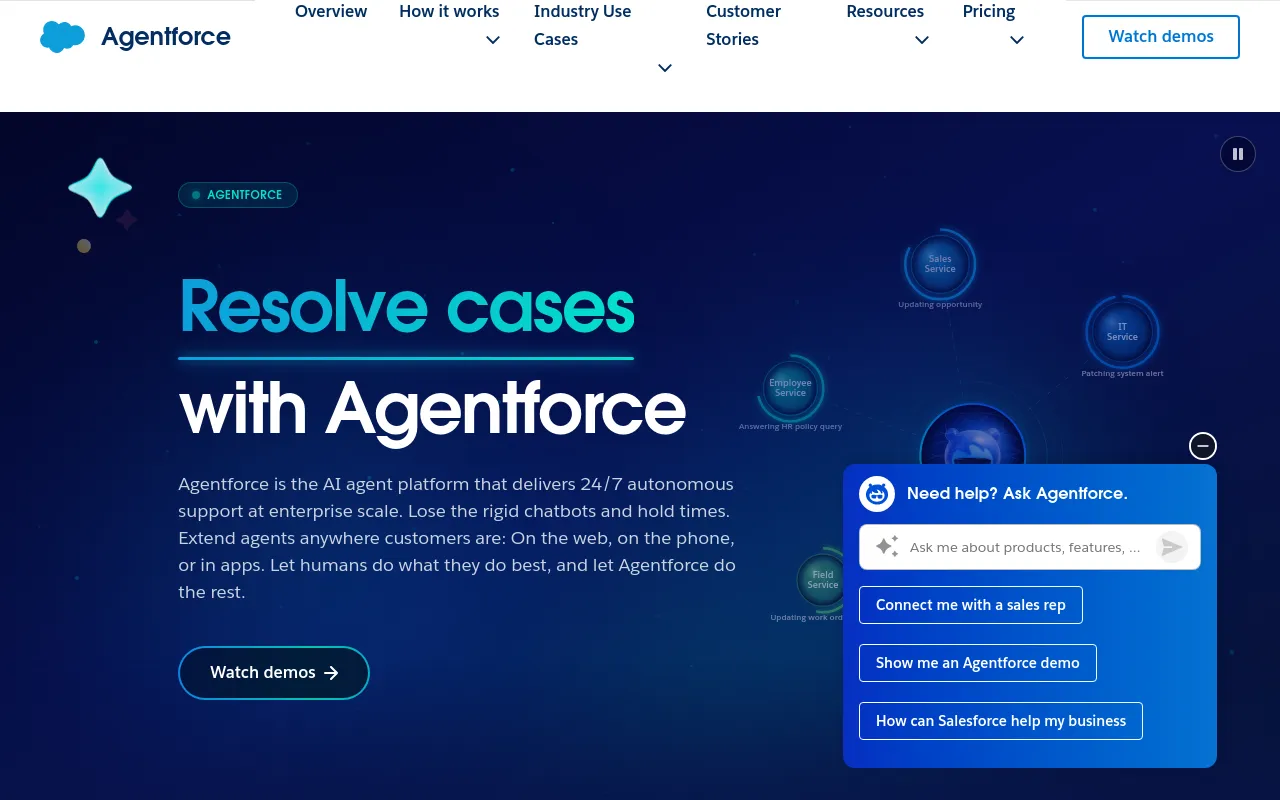
| Salesforce Agentforce | Platform | Freemium | Yes | Yes | No | Cloud |
| Sierra | Support | Usage-based | No | Unknown | No | Cloud |
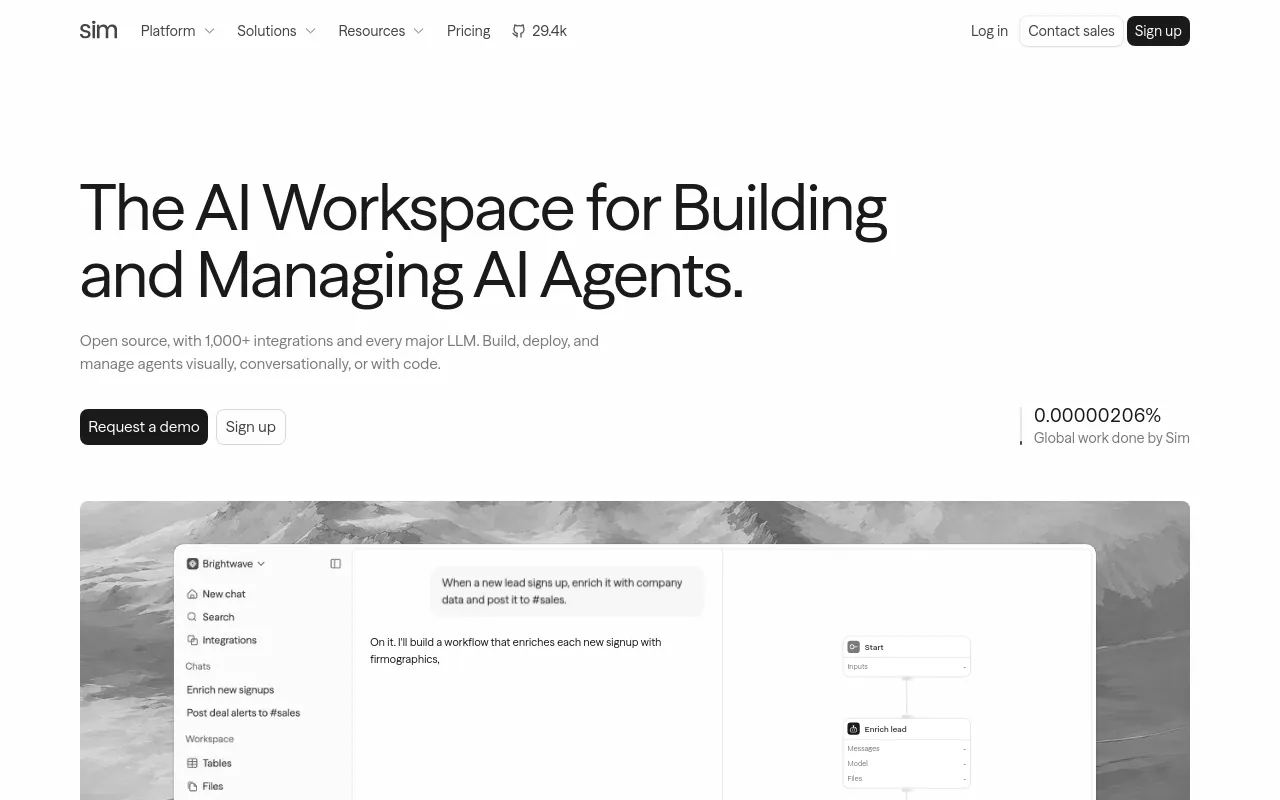
| Sim | Platform | Freemium | Yes | Yes | Yes | Both |
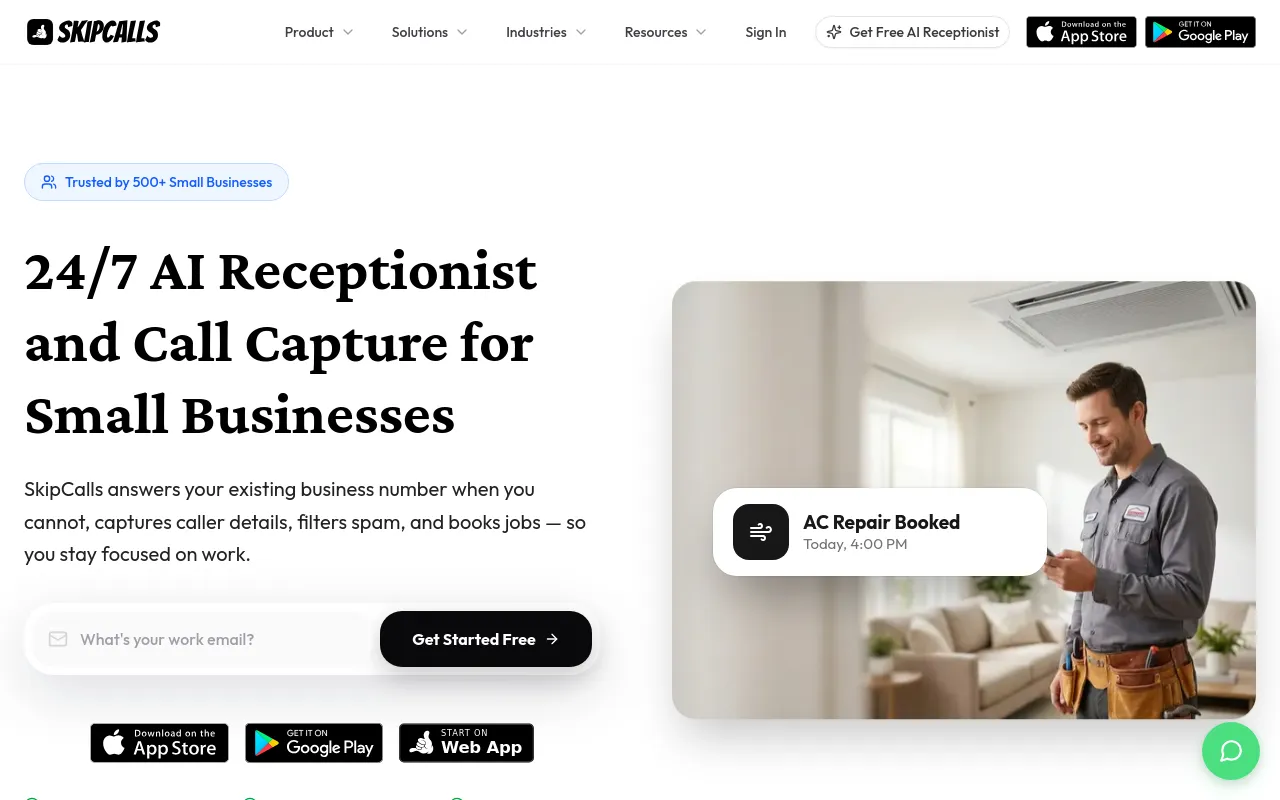
| SkipCalls | Voice | Subscription | No | Yes | No | Cloud |
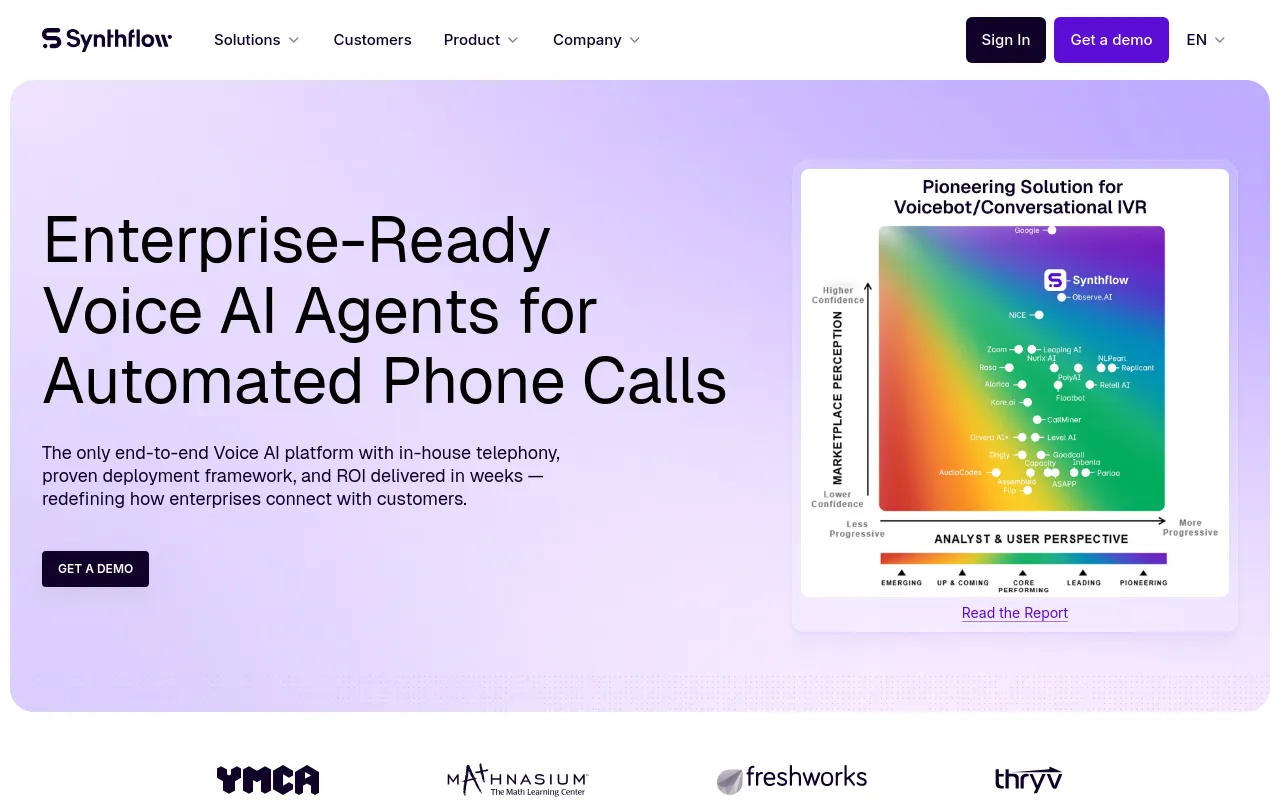
| Synthflow AI | Voice | Usage-based | No | Yes | No | Cloud |
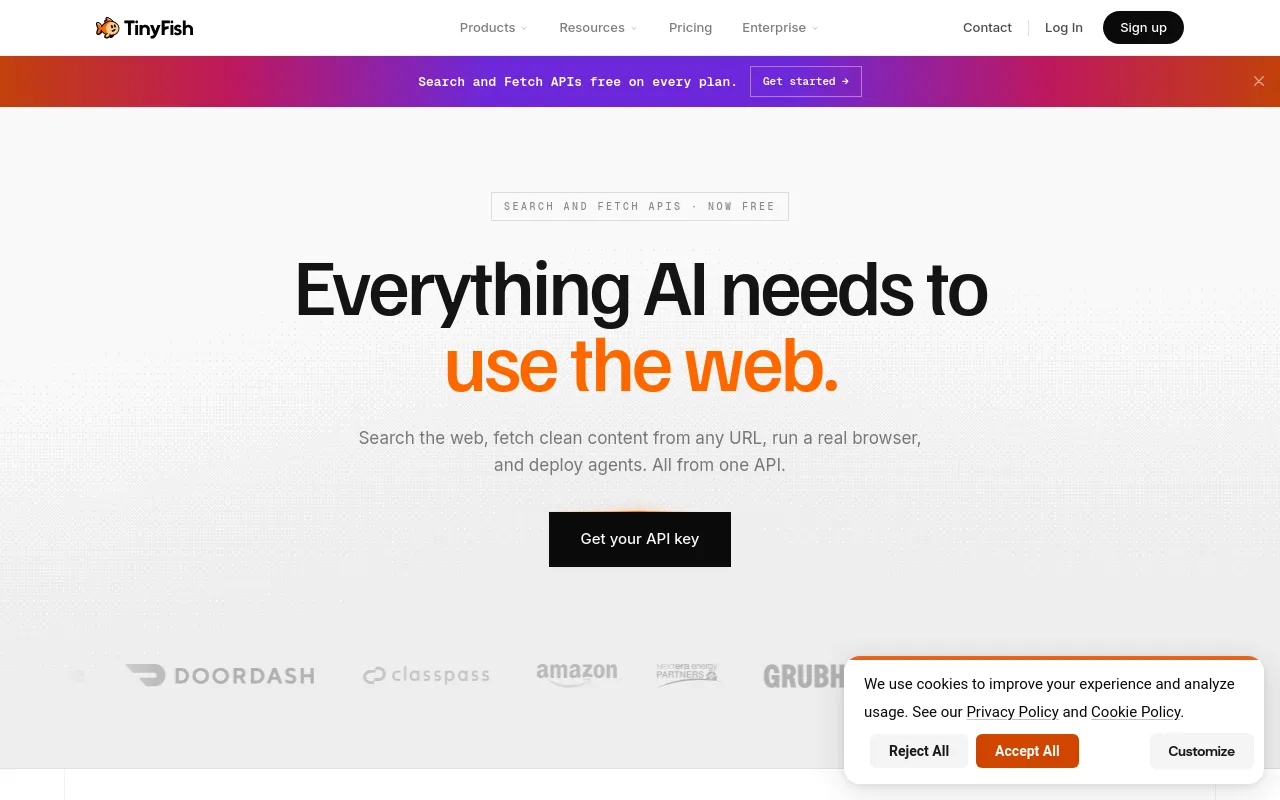
| TinyFish | Research | Usage-based | Yes | Yes | No | Cloud |
| Undermind | Research | Freemium | Yes | No | No | Cloud |
| Unify | Sales/Mktg | Freemium | Yes | No | No | Cloud |
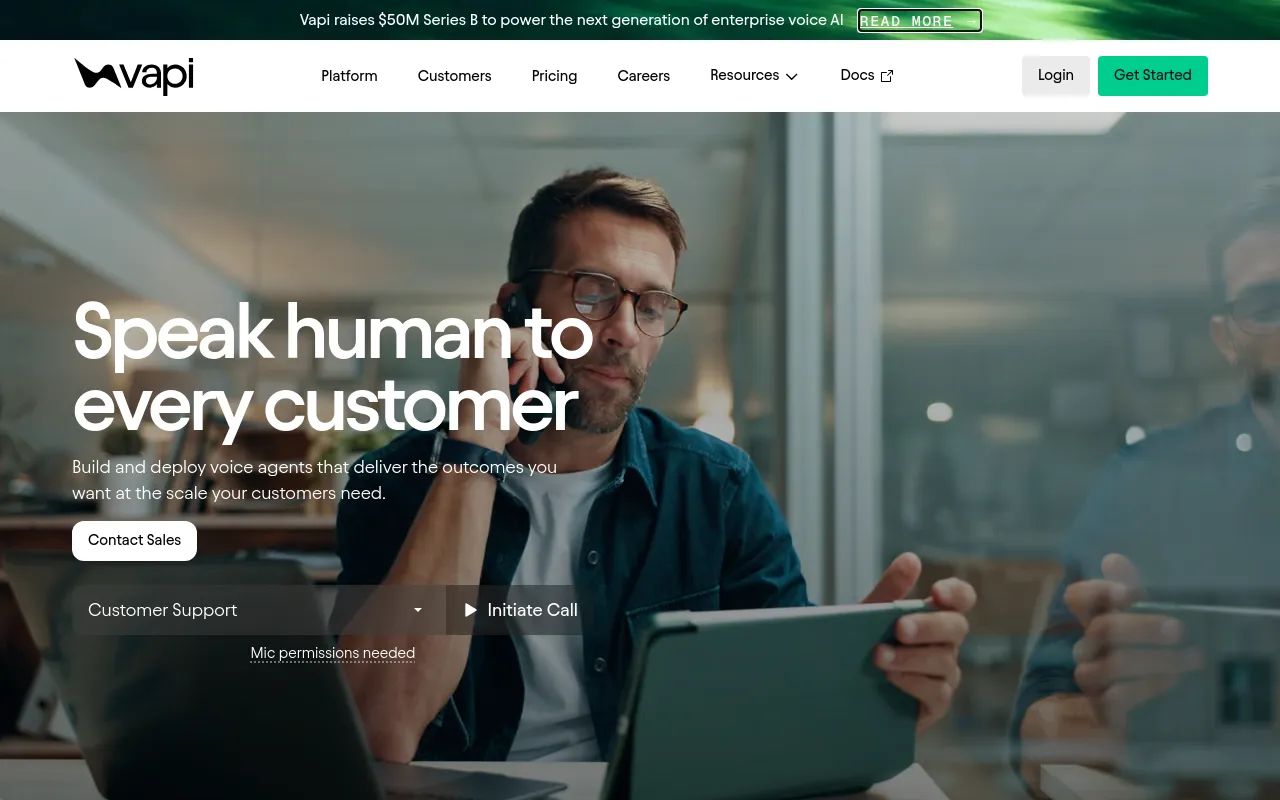
| Vapi | Voice | Usage-based | No | Yes | No | Cloud |
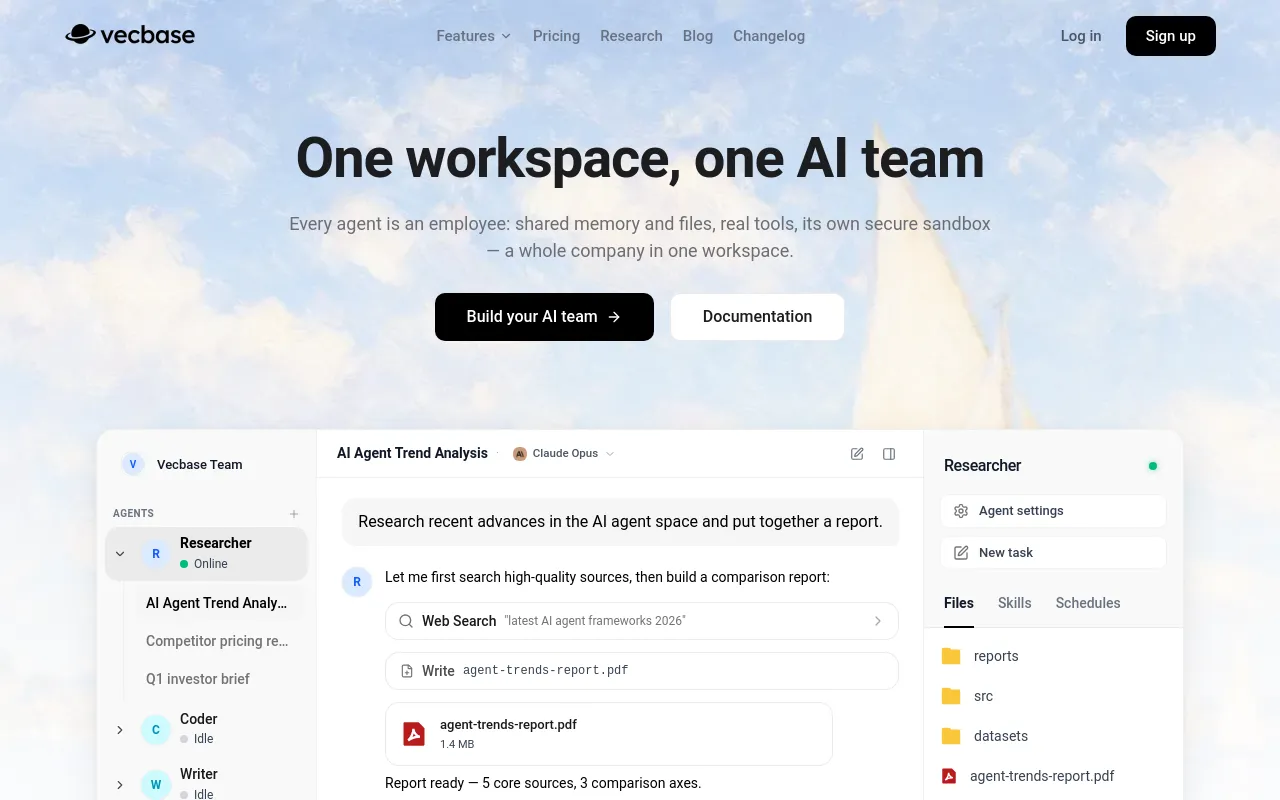
| Vecbase | Platform | Subscription | No | Unknown | No | Cloud |
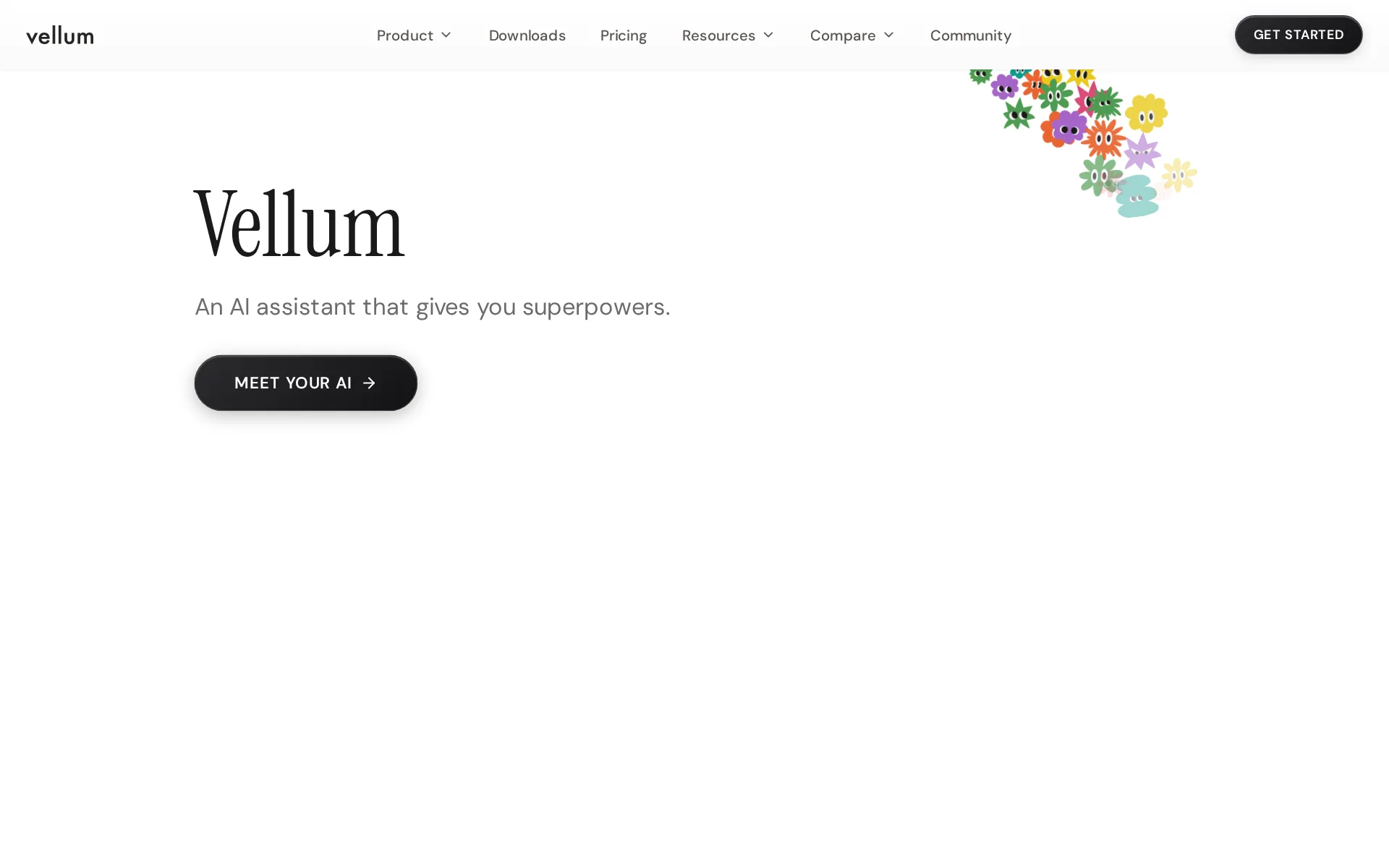
| Vellum | Platform | Freemium | Yes | Yes | Yes | Both |
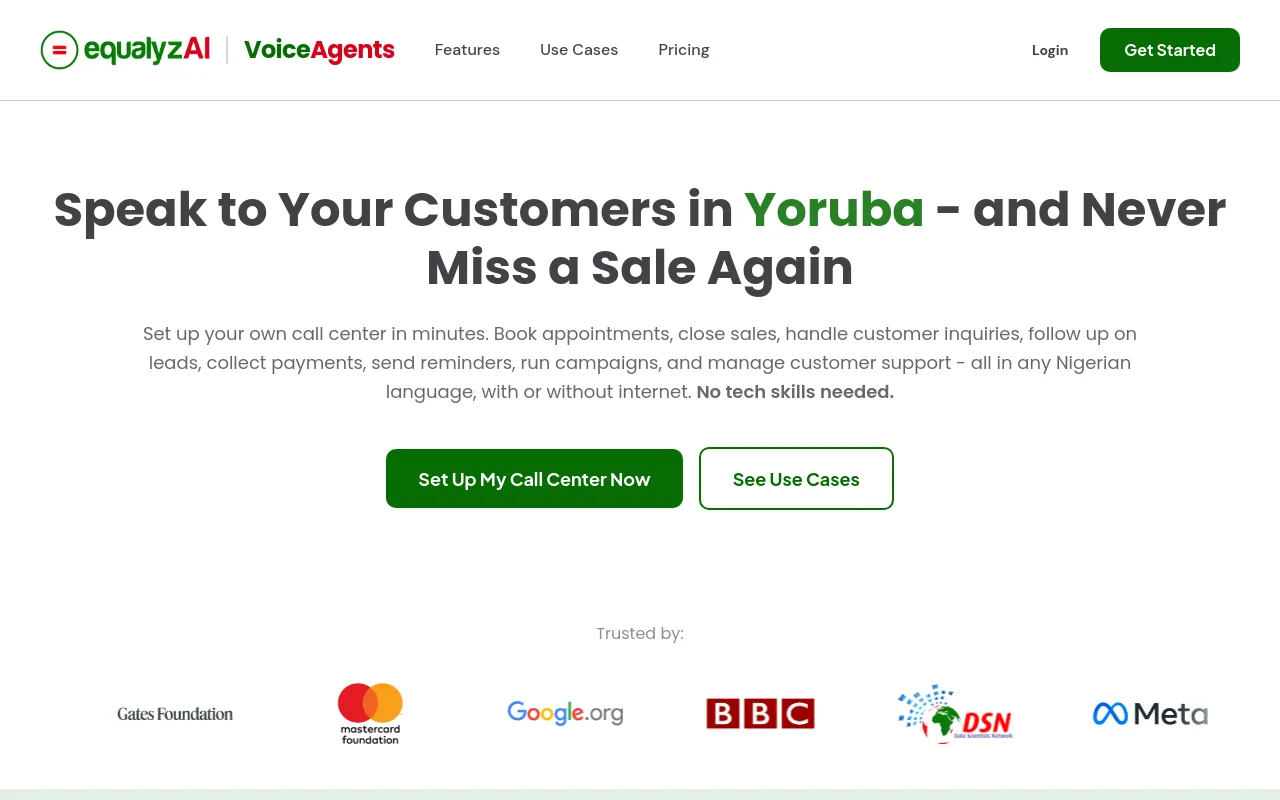
| VoiceAgent | Voice | Usage-based | No | Unknown | Unknown | Cloud |
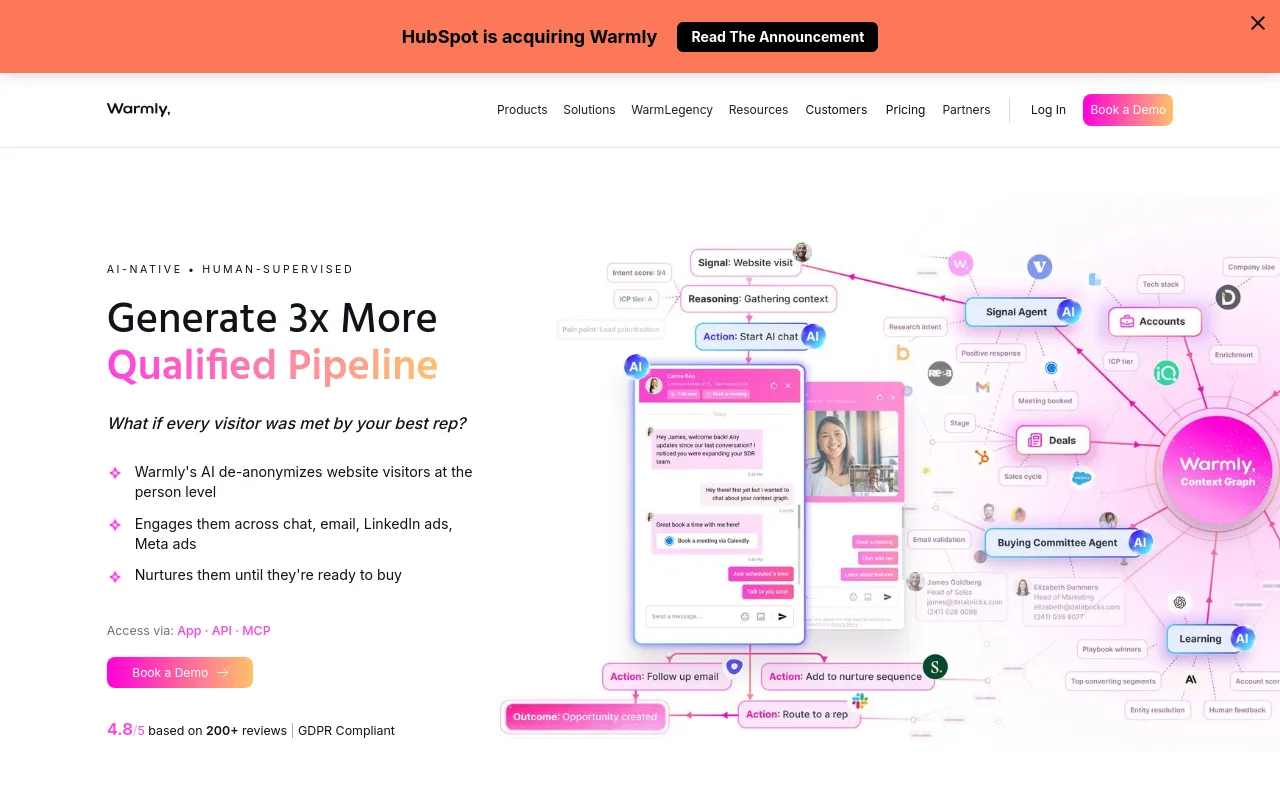
| Warmly | Sales/Mktg | Subscription | No | Yes | No | Cloud |
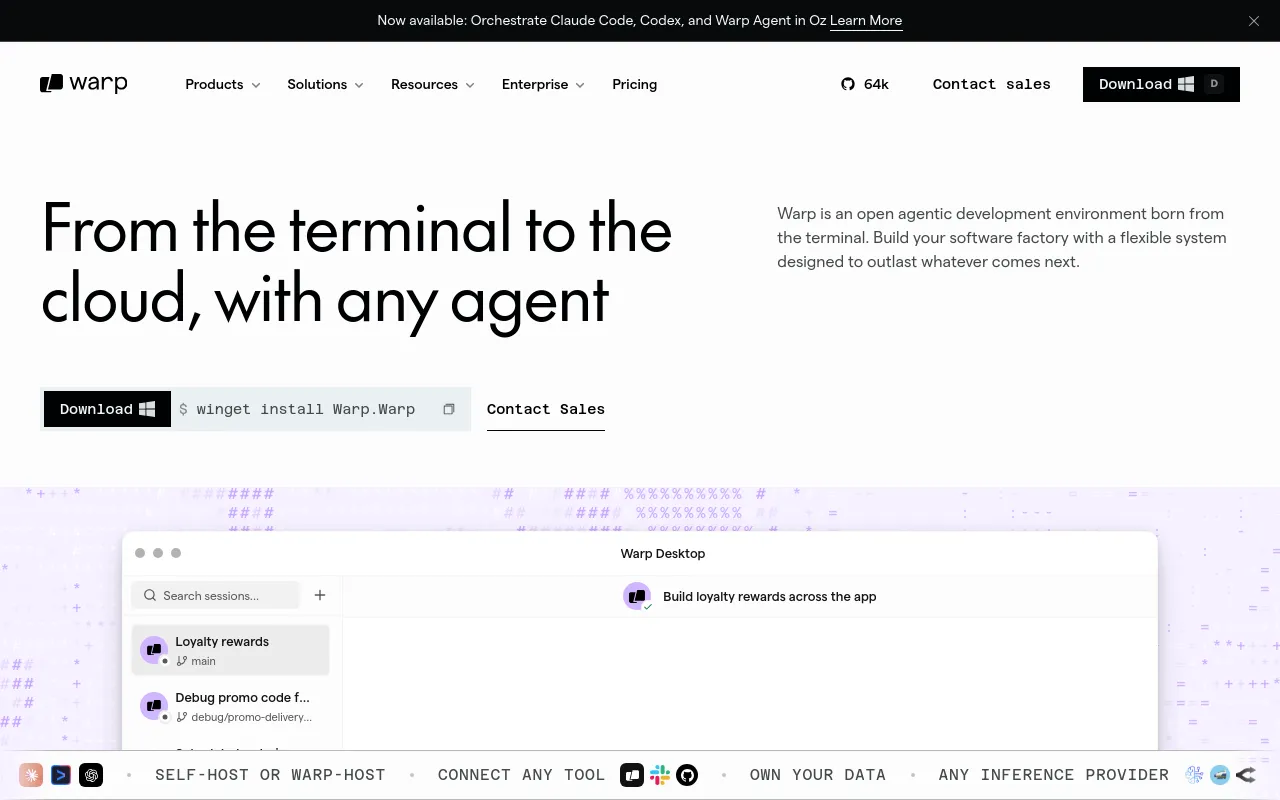
| Warp | Coding | Freemium | Yes | Yes | Yes | Both |
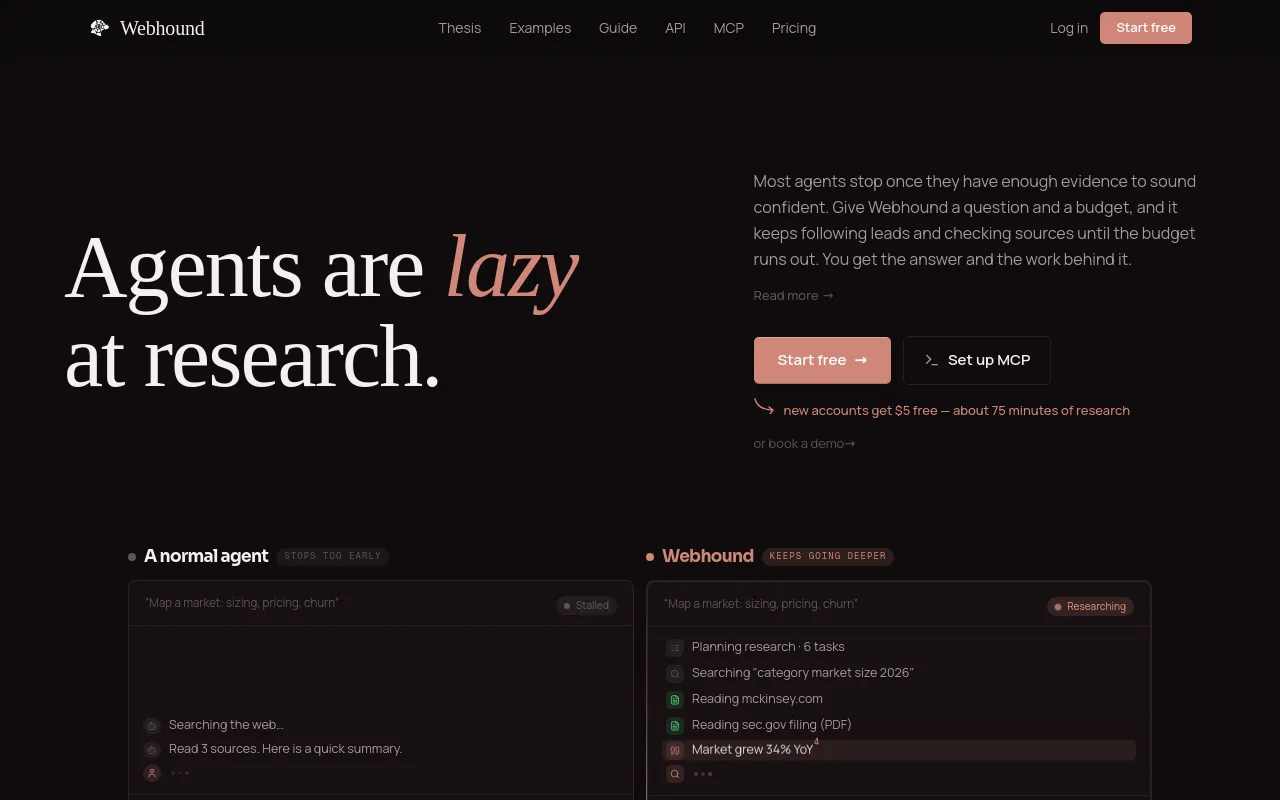
| Webhound | Research | Usage-based | No | Yes | No | Cloud |
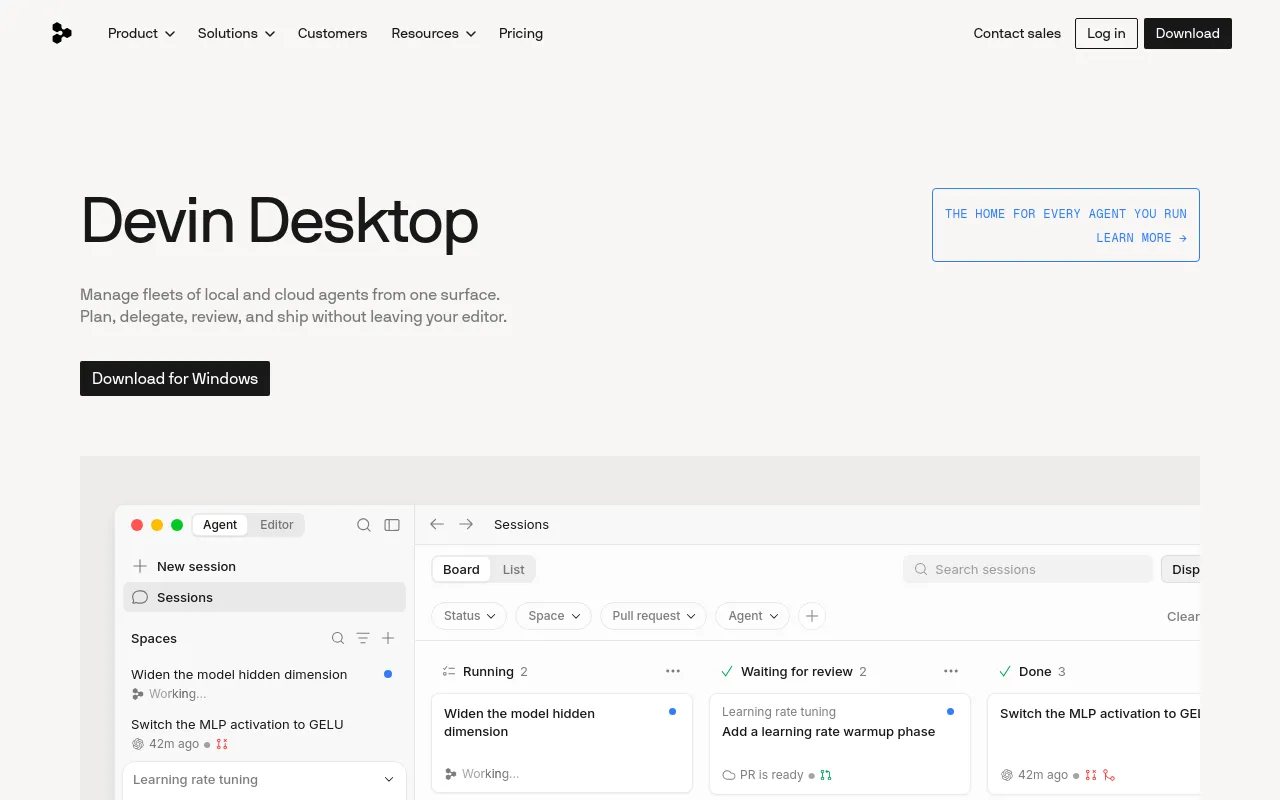
| Windsurf (now Devin Desktop) | Coding | Freemium | Yes | Unknown | No | Both |
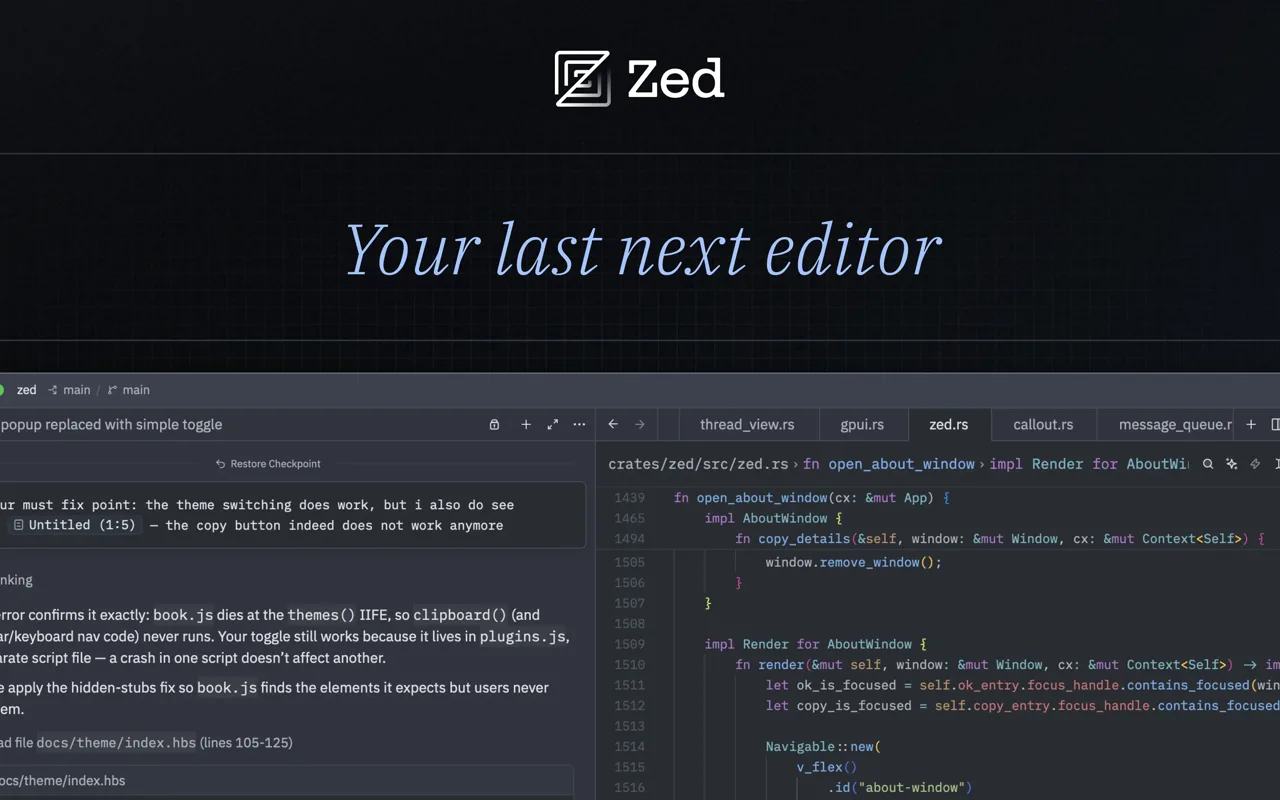
| Zed | Coding | Freemium | Yes | Unknown | Yes | Both |
| Zendesk AI Agents | Support | Usage-based | No | Yes | No | Cloud |
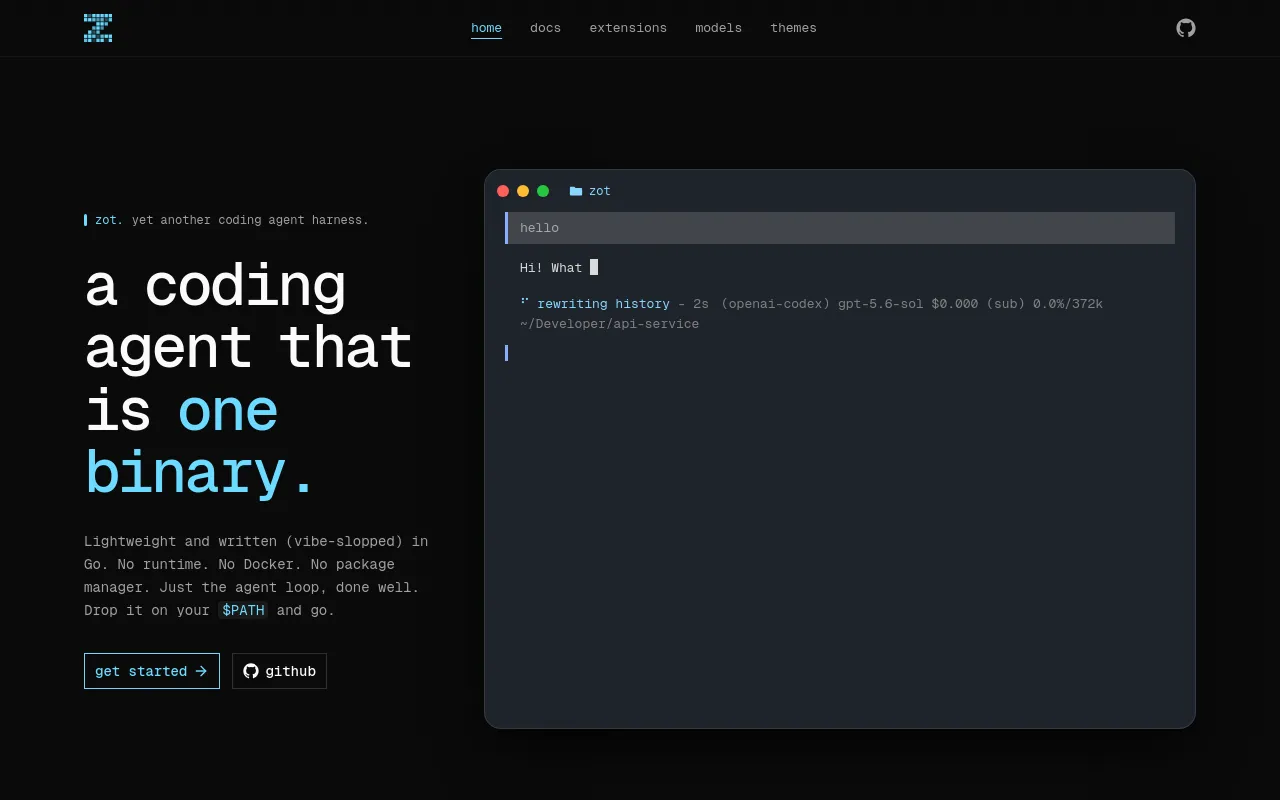
| Zot | Coding | Free | Yes | Yes | Yes | Self-host |
Methodology
Dataset: all 92 Published listings in The Agents Index across the coding-agents, frameworks, agent-platforms, voice-agents, research-agents, sales-marketing-agents and support-agents categories, as of 27 August 2026, read live from our own tenant database. Every aggregate figure on this page is recomputed from that full set in a single pass, with numerator and denominator counted together, and the page is published verbatim from what it renders. No figure here is hand-typed.
Definitions: "freemium" means a usable free tier plus at least one paid tier; "free" means no paid tier exists at all; "usage-based" means billing scales with consumption or outcomes rather than a flat recurring fee; "open source" means the core agent code ships under an OSI-style license. Percentages are rounded to the nearest whole number, so a column may not total exactly 100.
One figure is dated rather than live: model-agnostic. Our corpus recorded each tool's model stack as prose rather than as a structured flag, and the distinction that matters to a buyer (can you supply your own key, or is this a managed stack that merely happens to route across several models) is a judgement about the vendor's own wording. Classifying it mechanically scores differently from reading it, so the published figure is carried with the date it was made instead of being recomputed into a number nobody researched. A structured modelAgnostic field was added on 20 August 2026 and fills on each re-verify; this paragraph disappears and the figure becomes a live count as soon as any listing carries a value.
Limitations: this is a census of our own index, not the entire AI-agent market, and it is a quality-gated, individually-researched set, not a scrape. A tool's pricing can change after our last verification date (shown on its own listing page). This page is regenerated whenever the corpus moves, so its coverage and its figures cannot drift apart.
Common questions
What percentage of AI agents are free to try?
Of the 92 AI agent tools in our index, 57 (62%) offer some form of free access: either a permanently free tool with no paid tier, a freemium plan with a free starting tier, or a genuinely ongoing free tier bundled with usage-based billing.
Are most AI agent tools open source?
No: 33 of the 91 tools with a recorded value (36%) are open source. Openness concentrates in agent frameworks and in CLI-native or self-hostable coding agents; most hosted platforms, sales agents, research agents and voice agents are closed.
Do AI agents usually charge by usage?
Not usually, but often: 24 of 92 (26%) bill by usage or outcome. It is the second-largest model after freemium (42, 46%), and it concentrates in the categories where the agent does open-ended work on your behalf rather than answering a bounded question.
Which category of AI agent bills most by usage?
Support agents: every one of the 8 tools in our support-agents category prices by usage or resolved outcome (8/8, 100%). Voice agents are close behind at 75% (9 of 12). Both are categories where the work is open-ended and metered by call, minute or resolution, versus frameworks (71% freemium) and coding agents (60% freemium), where the SDK or editor itself is the low-cost front door to a separate model bill.
 Captured · theagentsindex.com
 Captured · theagentsindex.com
 Captured · theagentsindex.com
 Captured · theagentsindex.com
 Captured · theagentsindex.com
 Captured · theagentsindex.com
 Captured · theagentsindex.com
 Captured · theagentsindex.com
 Captured · theagentsindex.com
 Captured · theagentsindex.com
 Captured · theagentsindex.com
 Captured · theagentsindex.com
 Captured · theagentsindex.com
 Captured · theagentsindex.com
 Captured · theagentsindex.com
 Captured · theagentsindex.com
 Captured · theagentsindex.com
 Captured · theagentsindex.com
 Captured · theagentsindex.com
 Captured · theagentsindex.com
 Captured · theagentsindex.com
 Captured · theagentsindex.com
 Captured · theagentsindex.com
 Captured · theagentsindex.com
 Captured · theagentsindex.com
 Captured · theagentsindex.com
 Captured · theagentsindex.com
 Captured · theagentsindex.com
 Captured · theagentsindex.com
 Captured · theagentsindex.com
 Captured · theagentsindex.com
 Captured · theagentsindex.com
 Captured · theagentsindex.com
 Captured · theagentsindex.com
 Captured · theagentsindex.com
 Captured · theagentsindex.com
 Captured · theagentsindex.com
 Captured · theagentsindex.com
 Captured · theagentsindex.com
 Captured · theagentsindex.com
 Captured · theagentsindex.com
 Captured · theagentsindex.com
 Captured · theagentsindex.com
 Captured · theagentsindex.com
 Captured · theagentsindex.com
 Captured · theagentsindex.com
 Captured · theagentsindex.com
 Captured · theagentsindex.com
 Captured · theagentsindex.com
 Captured · theagentsindex.com
 Captured · theagentsindex.com
 Captured · theagentsindex.com
 Captured · theagentsindex.com
 Captured · theagentsindex.com
 Captured · theagentsindex.com
 Captured · theagentsindex.com
 Captured · theagentsindex.com
 Captured · theagentsindex.com
 Captured · theagentsindex.com
 Captured · theagentsindex.com
 Captured · theagentsindex.com
 Captured · theagentsindex.com
 Captured · theagentsindex.com
 Captured · theagentsindex.com
 Captured · theagentsindex.com
 Captured · theagentsindex.com
 Captured · theagentsindex.com
 Captured · theagentsindex.com
 Captured · theagentsindex.com
 Captured · theagentsindex.com
 Captured · theagentsindex.com
 Captured · theagentsindex.com
 Captured · theagentsindex.com
 Captured · theagentsindex.com
 Captured · theagentsindex.com
 Captured · theagentsindex.com
 Captured · theagentsindex.com
 Captured · theagentsindex.com
 Captured · theagentsindex.com
 Captured · theagentsindex.com
 Captured · theagentsindex.com
 Captured · theagentsindex.com
 Captured · theagentsindex.com
 Captured · theagentsindex.com
 Captured · theagentsindex.com
 Captured · theagentsindex.com
 Captured · theagentsindex.com
 Captured · theagentsindex.com
 Captured · theagentsindex.com
 Captured · theagentsindex.com
 Captured · theagentsindex.com
Frequently asked questions
What percentage of AI agents are free to try?
Are most AI agent tools open source?
Do AI agents usually charge by usage?
Which category of AI agent bills most by usage?
Advertise here
Reach buyers mid-decision. Reach builders choosing their next agent. Promote your brand with a display placement or bring your listing into focus with Featured.
Explore owner options →Advertise on this page →The digestFree
Which agents actually ship.
What we re-checked, what got added, and one number from the index. Tuesdays.
One-click unsubscribe